
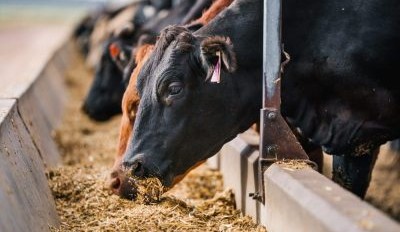
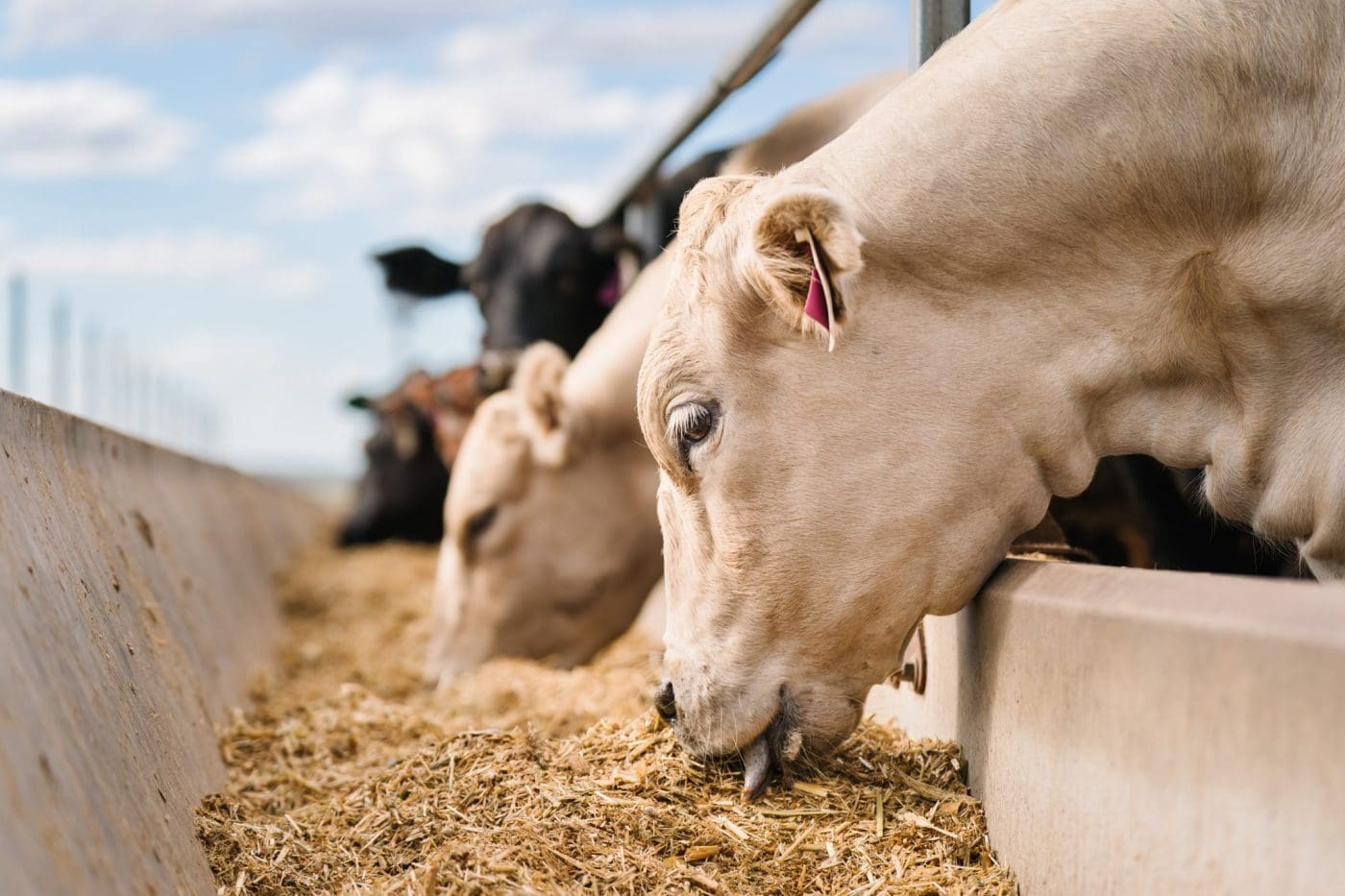
Image Source: ALFA
SINCE December there has been a 38 percent increase in cattle on grainfed programs in Australian feedlots with 1000 head or less, according to the latest Australian Lot Feeders Association quarterly survey.
Low grain prices and high cattle prices may have prompted mixed farming operations to gain or regain accreditation under the National Feedlot Accreditation Scheme (NFAS) – Australia’s independently audited quality assurance system for feedlots.
In the June quarter there was a total of 60,208 head in smaller feedlots (those with 1000 head or less), that’s up from 37,202 six months earlier, in the December quarter.
These numbers only account for cattle in NFAS-accredited feedlots, which certifies the cattle as grainfed.
Some of that growth at least appears to be coming from smaller mixed farmers now looking to value-add relatively cheaper grain by putting it through an animal.
One lotfeeder told Beef Central stable commodity prices and stable cattle prices had been helping the sector, after many came out of very expensive grain contracts in winter last year.
Downs barley was last week quoted at $317 per tonne, compared with $390/t last June.
 One cattle market specialist told Beef Central the numbers for smaller lotfeeders only stacked up if they already owned the cattle.
“If you are buying 250-280kg steers at $6/kg liveweight, you are potentially buying at a high and then you are going to put more cost into them, knowing every 70 days they will eat a tonne of feed,” he said.
“You need to really do the numbers because if the market eases, your weight gain isn’t going to compensate for the cost, even though you made them heavier and better, that extra $700 worth of feed, plus freight means it hasn’t made you a margin.
“But if you already own the cattle and you know what you are doing – weight is king for you at present – the more weight you can get into your animal in the next six or eight weeks the results will be beneficial.”
Australian Lot Feeders Association chief executive Christian Mulders said while that increase was notable it did not represent a broader industry surge.
“The two smallest feedlot size categories (less than 500 head and 500-1000) accounted for 3.8pc of total cattle on feed nationally in the June quarter (1.579 million head), which is comfortably within the five-year range of 2.6pc to 4.8pc for this category,” he said.
“Some smaller feedlots operate flexibly, adjusting their cattle numbers or stepping in and out of production based on factors such as seasonal conditions, feed and cattle availability, and market settings,” he said.
Accreditation scheme more demanding
Beef Central was told by a number of participants in the industry that one of the main deterrents for ‘opportunity’ lotfeeding was the the increasing workload of the National feedlot Accreditation Scheme audit process, which one lotfeeder said once took under two hours and can now take half a day.
Mr Mulders said the NFAS audit process had deliberately become more comprehensive than when it started in 1994 to reflect changes in the scheme’s requirements.
 “It ensures the program remains robust and incorporates advancements in animal welfare, environmental management, and food safety – areas that continue to evolve alongside new science and shifting customer and community expectations,” he said.
“However many smaller and seasonal operators continue to participate in NFAS and see value in demonstrating their commitment to quality assurance and desire to access premium grain fed markets.
“NFAS and AusMeat provide ongoing information and training support for lotfeeders—especially when changes are introduced. In recent years, they have hosted webinars featuring feedlot operators sharing practical advice and their experience on meeting NFAS requirements.
“Around 40pc of participants in these webinar sessions are from NFAS feedlots running less than 1000 head.
“With the average size of NFAS-accredited feedlots participating in these events at around 2700 head, the webinars are an excellent resource for smaller operators to understand the evolving NFAS landscape and get useful tips on how to adapt their QA system and operations accordingly.”
Beyond feeding for a grainfed cipher, some lotfeeders are feeding grain to add weight and account for almost 2pc of the quarterly feedlot turnoff for the June quarter.