
YOUNG cattle prices have continued their rise this week, with storms falling over some dry areas in the south and restockers appearing to be jumping back into the market.
While most of Southern Australia missed out on early rain this Autumn triggering a mass sell-off, storms have been passing through areas in Southern New South Wales, Victoria and South Australia for most of Winter – with some big falls across the Victoria this week.
The benchmark Eastern Young Cattle Indicator, a weekly rolling average of saleyard prices, has been on the rise since the end of June – jumping more than 190c since the last week of June and 22c this week to close yesterday at 894c/kg carcase weight.
Cattle that producers sent to Queensland on agistment, most of those cattle could be on a one-way ticket
Southern prices contributing to the EYCI are far exceeding the prices in the north. The Wagga contribution averaged 993c, while the Roma contribution averaged 893c.
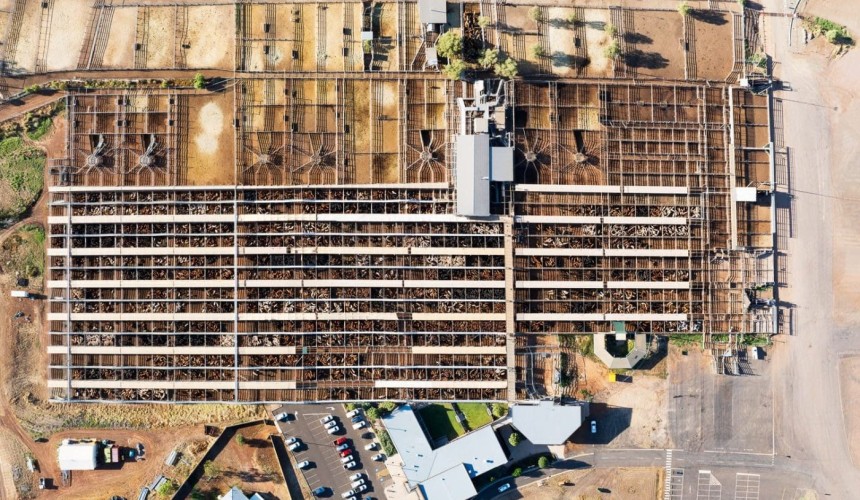
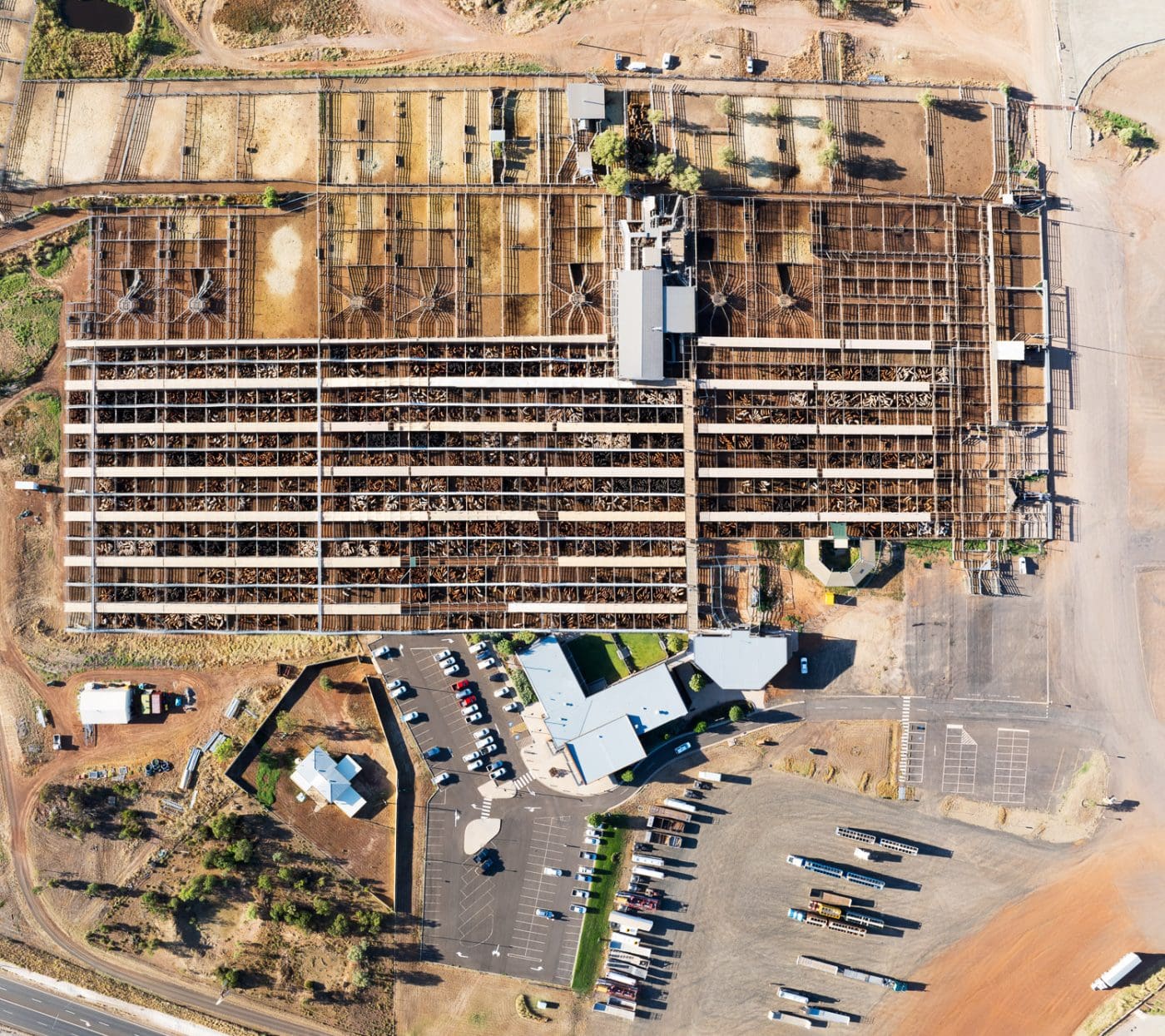
Numbers are still coming forward in the north, with 8400 head yarded at Roma, 5660 head at Blackall and 6300 at Dalby. All three sales reported significant demand from restockers paying above 500c/kg.
Wet weather reduced yardings Tamworth and Gunnedah earlier in the week, with 1800 and 2150 respectively. Dubbo yarded 6170 yesterday.
Localised restocker interest in the south
National Livestock Reporting Service Wagga reporter Leanne Dax has been reporting the presence of restockers at the yards for the past month. Although this week, she said they were struggling to compete with heavy demand from lotfeeders.
While the winter storms had been welcomed, surface water had been an issue until the bigger falls came across in recent weeks, with falls evidently big enough to fill dams.
 Rain had reduced the yarding at Wagga this week, with 2000 head yarded. Decent falls across the Riverina, Victoria and South-Western South Australia were recorded.
Speaking to the Week in Beef podcast, James Brown from Ray White Rural and Livestock in Albury said restockers from southern Australia had been helping push up prices for the last four to six weeks.
“It is probably localised at each centre, Leongatha has seen quite a few restockers coming back into that market, so has Yea in Victoria, our local centre at Barnawartha at the start of August saw strong local demand as well,” he said.
“I was in Mortlake last week and there was strong interest from restockers in that part of the world, locally in the western district and stretching into south-east South Australia.”
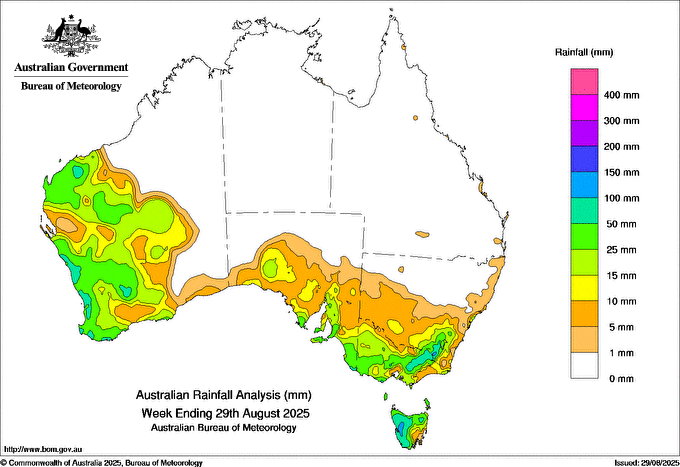
Handy rain has fallen in Southern Australia this week.
Mr Brown said while more rain is still needed, there has been enough rain in some areas to grow feed and producers are keen to buy cattle before they get too dear.
“If we get a very good general rain through Victoria and southern New South Wales, I don’t know where prices could go, because the demand is going to be there because there’s so many people look at the restock,” he said.
“Cattle that producers sent to Queensland on agistment, most of those cattle could be on a one-way ticket so they going to be looking to buy cattle to get them over the line the next five or six months.”
Mr Brown said even though cattle prices are increasing producers can still see a value at the end of the tunnel if prices continue to increase or stay steady.
“If you look at the feeder market today, a typical 400 to 500 kilogram Angus steer as an example is making about 520 cents a kilo, so if they have got plenty of weight you are selling for $2600 or thereabouts,” he said.
“So if you want to step back into the market at the moment and you’re buying young or light cattle for $1600 or $1700 a head, there seems to be a margin still there. So people will be using that as a bit of a basis to make their purchases.”