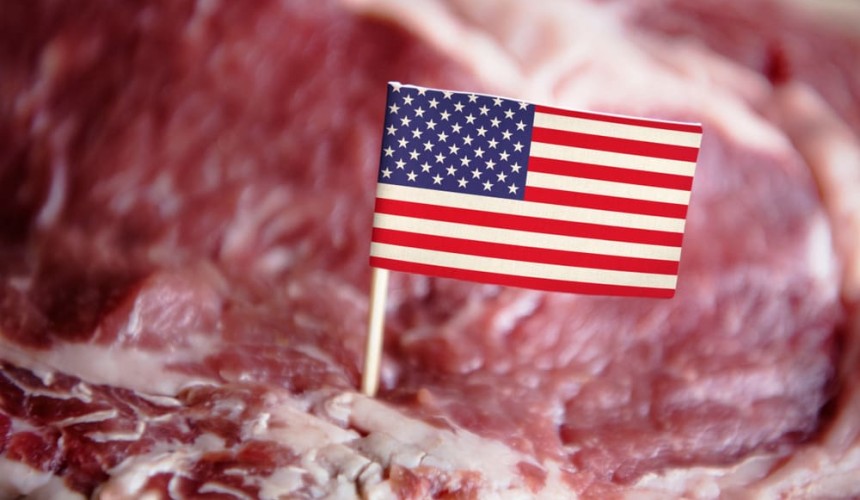
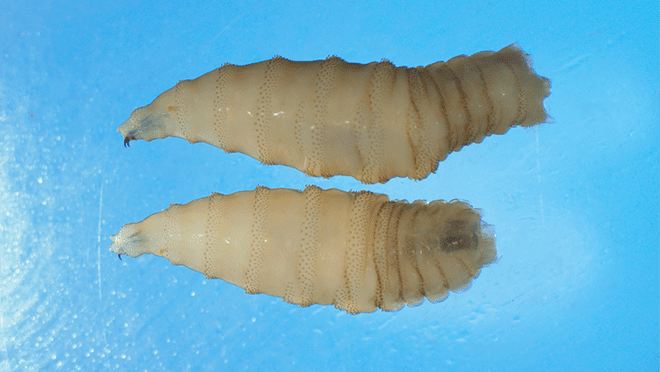
A new case of New World screwworm has been detected at Sabinas Hidalgo in northern Mexico, just 70 miles from the US-Mexico border.
The latest detection is the northernmost of the current NWS outbreak, and the one “most threatening to the American cattle and livestock industry”, US Secretary of Agriculture Brooke Rollins said.
 Sabinas Hidalgo is located near the major highway from Monterrey, Nuevo Leon, to Laredo, Texas, which is one of the most heavily trafficked commercial thoroughfares in the world.
“Protecting the United States from NWS is non-negotiable and a top priority of the Trump Administration,” Ms Rollins said in a USDA announcement to media.
“This is a national security priority.
“We have given Mexico every opportunity and every resource necessary to counter NWS since announcing the NWS Bold Plan in June 2025.
“Nevertheless, American ranchers and families should know that we will not rely on Mexico to defend our industry, our food supply, or our way of life.
“We are firmly executing our five-pronged plan and will take decisive action to protect our borders, even in the absence of cooperation. “Furthermore, we will pursue aggressive measures against anyone who harms American livestock.”
The previous northernmost detection was reported on July 9, 2025, in Veracruz, approximately 370 miles farther south.
Preliminary reports from SENASICA indicate that the affected animal—an eight-month-old cow—had recently been moved to a certified feedlot in Nuevo León from a region in southern Mexico with known active NWS cases.
The USDA announcement said the potential link to animal movement underscored the non-negotiable need for Mexico to fully implement and comply with the U.S.–Mexico Joint Action Plan for NWS in Mexico.
“A critical and urgent threat to America’s cattle producers”
National Cattlemen’s Beef Association (NCBA) CEO Colin Woodall described the development as extremely concerning for the American cattle industry.
 “The speed that screwworm has moved through Mexico is a reminder that this pest poses a critical and urgent threat to America’s cattle producers,” Mr Woodall said.
“NCBA appreciates all the resources Secretary of Agriculture Brooke Rollins has invested in protecting American agriculture from the New World screwworm.
“Designating funds for a domestic sterile fly facility, exploring new technologies for sterilizing flies, enhancing fly surveillance, and coordinating with other departments across the US government are all important steps for safeguarding the U.S. cattle industry.
“We are also encouraged by the Food and Drug Administration’s work to authorize emergency treatments for screwworm, and we look forward to additional product approvals.”
NCBA calls for expedited construction of domestic sterile fly facility
With the threat so close, Mr Woodall said more sterile fly dispersal was needed to push the best back from the US border.
“Now is the time for USDA to expedite construction of the domestic sterile fly facility and eradicate this pest from our doorstep.
“We also ask USDA to continue holding Mexico accountable and urge them to reduce animal movements that could spread screwworm north.
“NCBA is also urging the Environmental Protection Agency to authorize new pesticide products to combat screwworm and provide another tool for American cattle producers.
“NCBA will continue working to protect the U.S. cattle industry from New World screwworm.”
Active monitoring continues: USDA
Currently, US ports remain closed to imports of cattle, bison, and horses from Mexico.
The USDA announcement said that since July, it has, alongside Mexico, has been actively monitoring nearly 8000 traps across Texas, Arizona, and New Mexico.
To date, more than 13,000 screening samples have been submitted, with no NWS flies detected.
“USDA is analyzing all new information related to the recent case in Nuevo León and will pursue all options to release sterile flies in this region as necessary.
“In addition, USDA will soon release a significant plan to help rebuild the American cattle supply, incentivizing our great ranchers, and driving a full-scale revitalization of the American beef industry.
“This is only the beginning with many more announcements coming this week as USDA restores American strength, protects food security, and supports America’s ranchers and farmers.”