
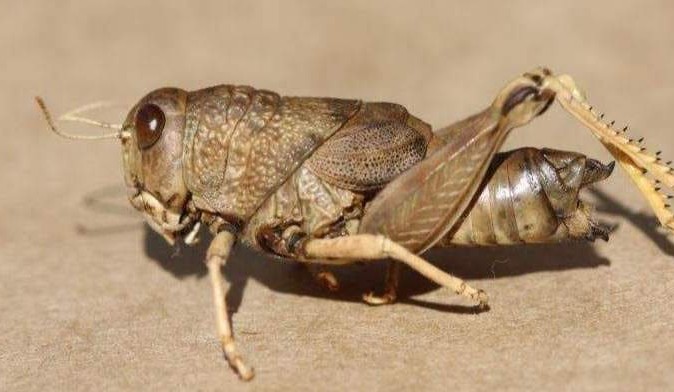
A NEW biosecurity alert has been issued following detections of locust nymphs in the Barcaldine and Isaac regions of Central and Western Queensland.
Landholders in the area are encouraged to check their properties for signs of locusts or nymphs and report any sightings to Biosecurity Queensland.
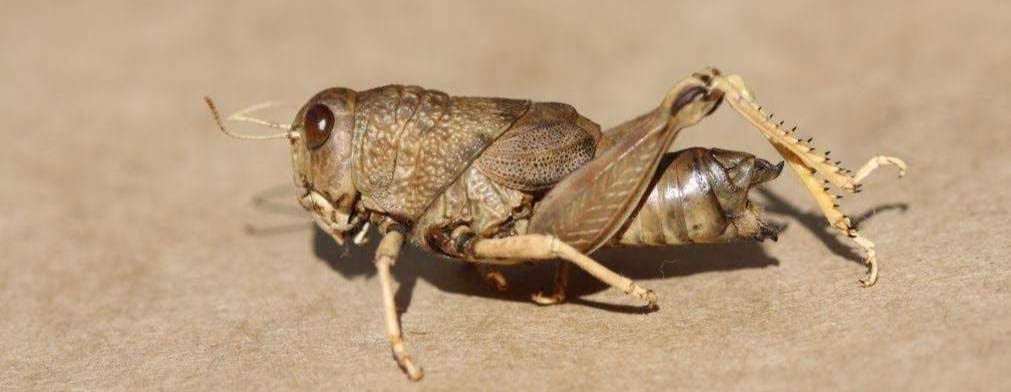 There has been a buildup in locust challenge with the onset of warmer weather in Queensland over the past three weeks.
Locusts and nymphs have been detected this week west of Clermont and north of Alpha. The pests can decimate grazing pastures if left to grow to plague proportions.
Biosecurity Queensland says it is working closely with local landholders to determine the number and type of locusts and/or nymphs and provide support to undertake control to reduce the risks of plague development.
Controlling locusts during the nymph stage is crucial to breaking their lifecycle and preventing large-scale locust outbreaks.
What to look for
In Queensland, there are four locust species to look for:
- Australian plague locust
- migratory locust
- spur-throated locust
- yellow-winged locust.
Controlling locusts is primarily the responsibility of landholders, as part of their general biosecurity obligation.
 Locusts are readily controlled with insecticides while they are still in the nymph stage and unable to fly, or before adults lay eggs. Only use chemicals registered or approved for use by the Australian Pesticides and Veterinary Medicines Authority and follow all directions on the label.
Queensland’s Department of Primary Industries is responsible for coordinating control if populations are beyond the capacity for landholder control and threaten key agricultural regions of the state.
“We will conduct aerial spraying to manage locust infestations during their nymph stage if they are identified as a threat to agricultural production,” the department said in a biosecurity alert issued today.
“This will be done with the support of the Australian Plague Locust Commission. We’ll ensure this is done in an environmentally responsible manner and minimise any risks by maintaining buffer zones to sensitive areas, such as waterways.”
The Department will contact local landholders if their property may be included in any treatment.