‘DAIRY BEEF’ is no longer a niche – representing a strategic opportunity to lift value, reduce waste and extend global beef supply chains, according to a new research report by Rabobank.
And Australia has the opportunity to share in this growth story, the agribusiness banking specialist says.
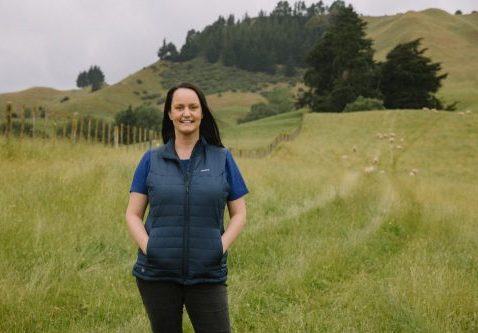
RaboResearch senior agricultural analyst Emma Higgins.
In its report, Beefing up global dairy with dairy-beef, the bank’s RaboResearch division says by integrating beef genetics into dairy systems, farmers have the opportunity to unlock new revenue streams, improve animal welfare and meet evolving market and sustainability demands.
Dairy-beef, or beef-on-dairy, refers to calves (often sired by beef semen) that enter the beef value chain derived from the dairy industry, the report said.
“Dairy-beef is not a new notion – surplus dairy cows and dairy-origin calves have long been part of beef supply chains worldwide,” it said.
Report co-author, RaboResearch senior agricultural analyst Emma Higgins said the strategic integration of beef genetics into dairy herds has been gaining momentum globally, driven by economic, environmental and ethical considerations.
“Dairy-beef is emerging as a timely solution to global protein demand, ethical scrutiny, and climate pressures – making strategic integration not just beneficial, but potentially essential,” she said.
Ms Higgins said Australia’s cattle industry is overwhelmingly beef-focused, with over 90 per cent of the national herd made up of beef cattle, with the other 10 per cent comprising dairy cattle.
“This shapes everything from processor infrastructure to market expectations, with the sector geared toward traditional beef animals that prioritise carcass yield and muscle cuts,” she said.
In dairy-heavy states – like Victoria and Tasmania – beef cattle still account for 60 to 70 per cent of the herd, Ms Higgins said.
The report said the “nuance” for Australia is that for broader market acceptance, dairy beef must resemble conventional beef carcasses, not culled dairy cows.
Ms Higgins said against this backdrop, Australia’s dairy sector is at a pivotal moment.
“With over one million calves born annually and limited herd expansion, the number of replacement animals required each year is constrained,” she said.
“Around 40 per cent of calves are retained as heifer replacements, leaving a significant surplus. Many of these underutilised calves still enter the four-to-five-day old calf market, for slaughter.”
To address this, Ms Higgins said, the industry is leaning into sexed semen and beef genetics to reduce underutilised dairy calf numbers and improve herd management.
“It is believed that around 20 per cent of calves are currently entering the adult beef supply chain – a clear signal that dairy-beef integration is gaining traction. A small proportion are exported for breeding, but most still require alternative, scalable pathways,” she said.
Ms Higgins said Australia’s expanding feedlot sector presents a promising opportunity for dairy-beef.
“Over the past decade, cattle on feed have increased from 900,000 to over 1.5 million head. Grain-fed cattle now account for 38 per cent of slaughter, up from 32 per cent,” Ms Higgins said.
“While the bulk of the feedlot capacity is not in dairy states, the availability of infrastructure, skills sets and feed grain present opportunities that countries such as New Zealand with low feedlot capacity do not have access to.”
Still, Ms Higgins said, the biggest bottleneck remains calf rearing.
“Despite the flexibility of beef genetics to fit either grass or grain-fed systems, there’s a clear disconnect between dairy farms and grow-out operations,” she said.
“Infrastructure for calf rearing is limited, and the seasonal nature of dairy calving adds further complexity. Year round or split calving can help, but ultimately, a new supply chain segment must emerge – one that can compete with traditional beef systems without relying on premiums or incentives,” she said.
Source: Rabobank
Yet another report focused on dairy beef opportunities. Until sexed semen becomes totally feasible surely the dairy industry will continue to maximise production traits associated with milk.
<strong>We've asked recently about how sexed semen might affect the dairy beef industry, Peter. They made the point that every milking cow in production still has to be mated - it's just that in future they may produce more surplus heifer calves than bull calves. Editor </strong>
l have milked cows full time since 1992 we have always raised our bull calves and taken them through to 350kg plus range unless seasonal or a
particularly good offer eg boat came our way. It's not for everyone. As most refer them as a by product. I always have the view of extending what we can return from our farms / cows.What is concerning is that we ( dairy farmers) are becoming more reliant on this additional income to prop up very marginal returns from milk