
IN COMING weeks, there are multiple bull sales scheduled across most states.
As noted earlier in Beef Central, several early autumn sales have already reset record prices.
The strong demand for new genetics early this year signals a level of confidence shared by many producers for the year ahead. While confidence may be strong, determining a price point for a new sire is one of the major factors behind a producer’s purchasing decisions.
The language that is used in discussions among producers around what price should be offered for a new bull is often telling.
It is not uncommon to hear terms such as the “trade-in value “or “salvage value” used as producers seek to offset the cost of a new bull by selling an older one out of the sire team.*
Some producers use these terms interchangeably. In essence they are considering the dollar value of the old bull and immediately offsetting it against the price of the new one.
While there is nothing inherently wrong with this way of thinking, it does mask a few issues that need to be considered around genetic improvement and ongoing value.
Underlying this way of thinking are several points. The most prevalent is that the purchase price of a bull, less his salvage value allows a producer to see a net overall cost. The salvage value (the sale price at the end of the working period) is seen by most producers as recovering part of the investment (either in the bull being sold or in a new sire).
It’s often seen as a trade in, like vehicle or machinery trade ins.
However, this mindset overlooks some critical differences between a bull and vehicles or machinery.
Bulls are not assets that are cleanly removed from a system to be replaced by something completely new. Although a bull may be removed from the breeding program at the end of his working period, his genetics continue to influence the direction of the herd through his daughters.
From a financial perspective, the sales of the bull’s progeny have already repaid his original purchase price, often many times over. The price that is received for the bull at the end of his working period should be seen as the final financial contribution to the breeding program, rather than a trade in for something better.
Genetic legacy
Introducing a new sire, or sires to a program will not change the direction of a herd immediately. The ongoing genetic legacy of a sire extends through to at least the third generation of females. In practice it means that the value of a bull extends long beyond the working period or even including the salvage price that was received when that period ended.
Framing this shift, the discussion around the sale and purchase of new bulls shouldn’t be along the lines of “Did I come out in front? or Was that a good trade?” but “What direction did that bull set for my herd, and for how long will this persist for?”
 Even if the new bull is genetically superior, he only influences calves born after arrival. The cow herd still reflects those sires used in the herd previously. Genetic lag can be 5-10 years depending on replacement rate, so herd trajectory changes through overlap, not replacement.
This lag effect is often underestimated when producers assess the impact of a new sire purchase. The introduction of a higher genetic merit bull does not overwrite the genetic base that already exists within the cow herd. Instead, it layers new direction over the top of existing influence.
In practical terms, this means that daughters retained from previous sires continue to shape herd performance for many years after those sires have left the program. Fertility, longevity, structural soundness and maternal productivity are all traits that persist through female lines.
As those females produce daughters of their own, the original sire’s influence continues to flow through the herd.
By the time a herd bull is sold, his greatest influence is through retained daughters and is often only beginning to be realised. Those females enter the breeding herd, contribute calves annually and form part of the replacement structure that determines herd direction into the future.
Seen in this context, the salvage value received at the end of a bull’s working life represents the final entry in the cash ledger, but not the end of his productive or genetic contribution.
Scale of revenue
Another factor often overlooked in trade-in discussions is the scale of revenue generated by a bull during his working life. Even under moderate joining loads, a working bull may produce well over one hundred sale progeny. The gross value of those animals, whether sold at weaning, backgrounded or finished, typically dwarfs the net cost calculated after salvage.
This shifts the economic framing considerably. Rather than asking whether the bull “held his value” at processor sale, a more relevant question becomes how effectively he generated value while active within the herd, and how that value continues through retained females.
It also reinforces the importance of sire selection as a long-term strategic decision rather than a short-term capital transaction. The purchase of a new bull is not simply the replacement of one asset with another. It is an adjustment to the genetic trajectory of the herd which unfolds over multiple joining cycles and across successive female generations.
When viewed through this lens, the term “changeover cost” becomes more appropriate than “trade-in value.” It reflects the financial transaction taking place, while acknowledging that the genetic influence of the outgoing sire remains embedded within the herd structure.
As autumn bull sales continue, processor demand and salvage prices will remain part of the purchasing equation. They contribute to cashflow and influence budget settings. But they should not be mistaken for the primary measure of a bull’s worth.
Because while the bull himself may leave the paddock, the direction he set through daughters, grand-daughters and retained maternal lines, continues to shape herd performance long after the salvage cheque has been banked.
* Note that at Wagga sale yesterday and Gunnedah this morning, heavy +600kg bulls were quoted selling to 400c/kg, or $3200 for an 800kg bull.
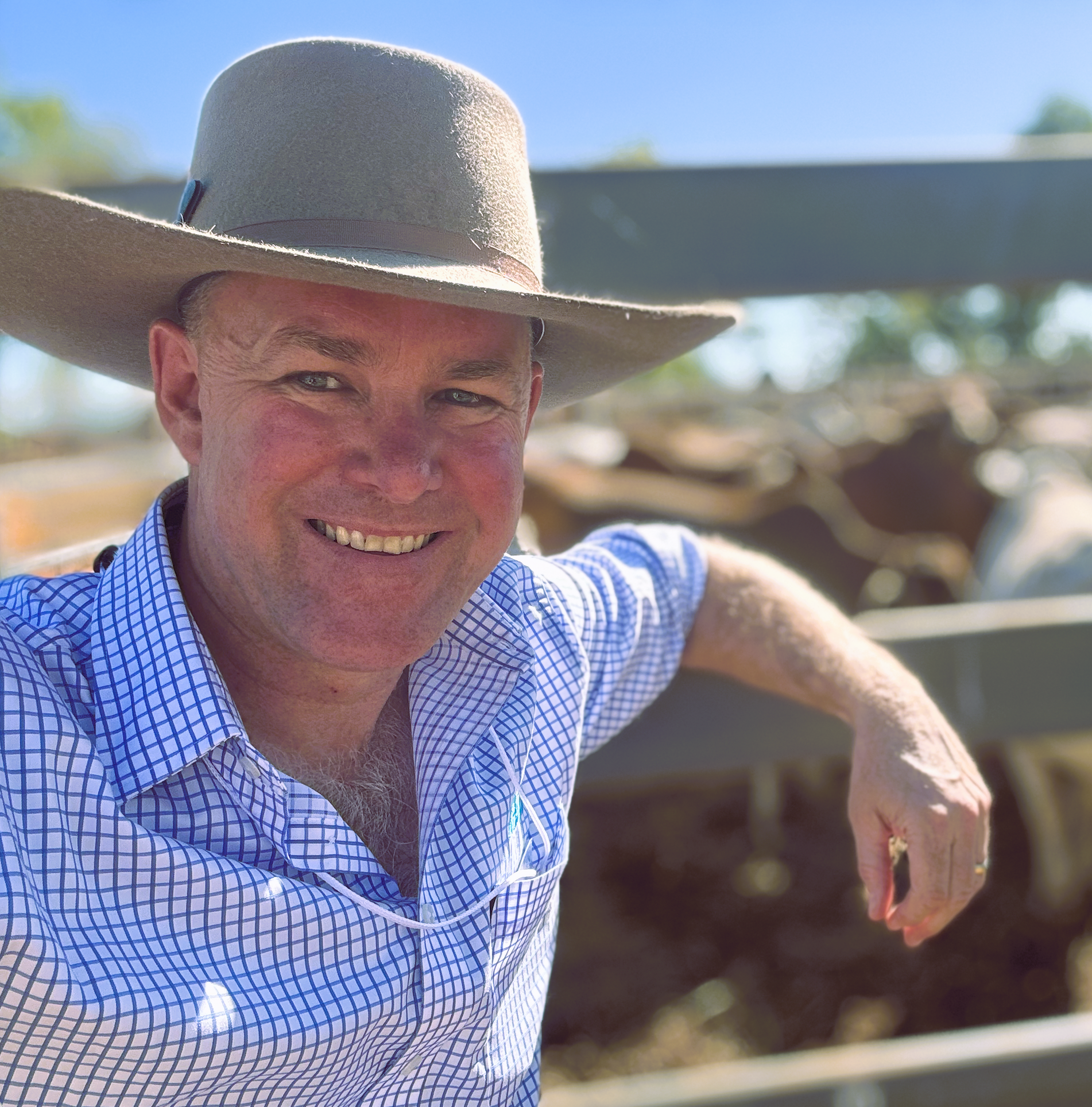 Alastair Rayner is Principal of RaynerAg. He has over 28 years’ experience advising beef producers and graziers across Australia. Alastair can be contacted here or through his website: www.raynerag.com.au