
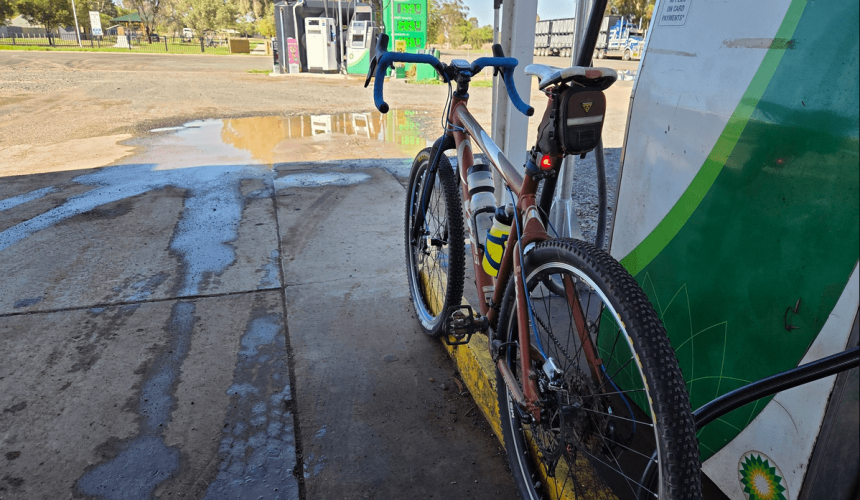
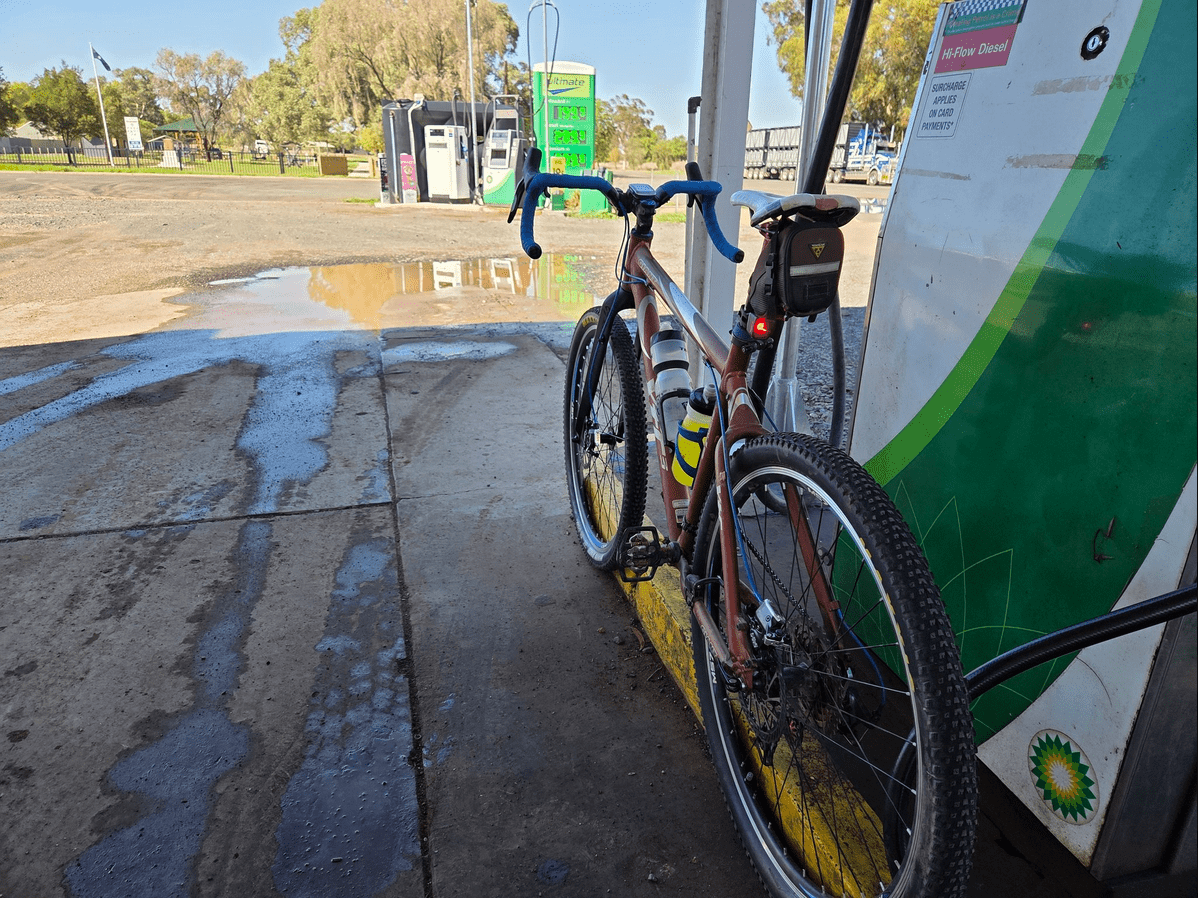
As diesel prices climb and supplies tighten, jokes abound about pushbikes and horse-drawn machinery being used to plant the winter crop. Bowser diesel prices have lifted from roughly $1.70 per litre on March 2 to more like $2.20 today. Photo: Mark Mortimer, Tullamore
AVERAGE retail prices for diesel have risen from around $1.70 per litre at the bowser last Monday to more like $2.20 today as the global crude oil market rises in response to the Strait of Hormuz’s closure.
While grain growers and others understand price hikes caused by the cessation of exports from the Persian Gulf cannot be avoided, NSW Farmers is asking its members and others to report any excessively high prices they see being charged.
“If they think they’re being gouged, get in contact with us through our website,” NSW Farmers grains president Justin Everitt said.
Growers are being asked to keep receipts so NSW Farmers can, if necessary, make a submission to the Australian Competition and Consumer Commission about opportunistic pricing being attributed to the impact of the Middle East conflice.
Peak demand some weeks away
Mr Everitt and his family farm at Brocklesby on the southern slopes of NSW and, like many mixed farmers, are ready to put in some grazing or dual-purpose crops such as oats ahead of cash crops going in from next month, rain permitting.
Substantial rain has fallen in some parts of the eastern and South Australian grainbelt in recent days and weeks, but some districts remain very dry.
The Everitts’ farm is one that has missed out, and Mr Everitt said uncertainty about a break in the season turning up has made growers reticent to pre-order diesel for planting, and urea for top-dressing crops.
“Fuel’s the biggest one; everyone’s struggling to get it.”
Based on an order placed last month, the Everitts had fuel delivered last week.
“We got almost all the order.”

Narrabri farmer Ian Gourley. Photo: GrainGrowers
In the Narrabri district, grower Ian Gourley last Thursday told Grain Central the family’s pre-plant urea was already in.
“We normally pre-apply a base rate of probably 200kg/ha on all cereal country; we’ve finished all that,” Mr Gourley, who is also a GrainGrowers director, said.
However, sources Grain Central has contacted indicate the next tranche may be a long time coming.
“You can’t order, book up, or price any urea at the moment; suppliers are saying: ‘We can’t give you a price’,” Mr Gourley said.
In the Narrabri district, fuel was available late last week, but on a longer time-frame.
“You can normally can get it on the day you order, or the next; now it’s four or five days.”
Unfertilised cereal and canola crops can yield as little as half what they do with applied nitrogen.
With cereal prices rising only modestly in contrast to big hikes for fertiliser and fuel, Mr Gourley said the terms of trade were challenging for cropping.
“Fertiliser comes next door to fuel, and we need domestic supplies.
“Everyone thinks in Australia we have an oversupply of food, but it’s important to put fertiliser and fuel in that national security mix too.
“They’re the backdrop on our food security.”
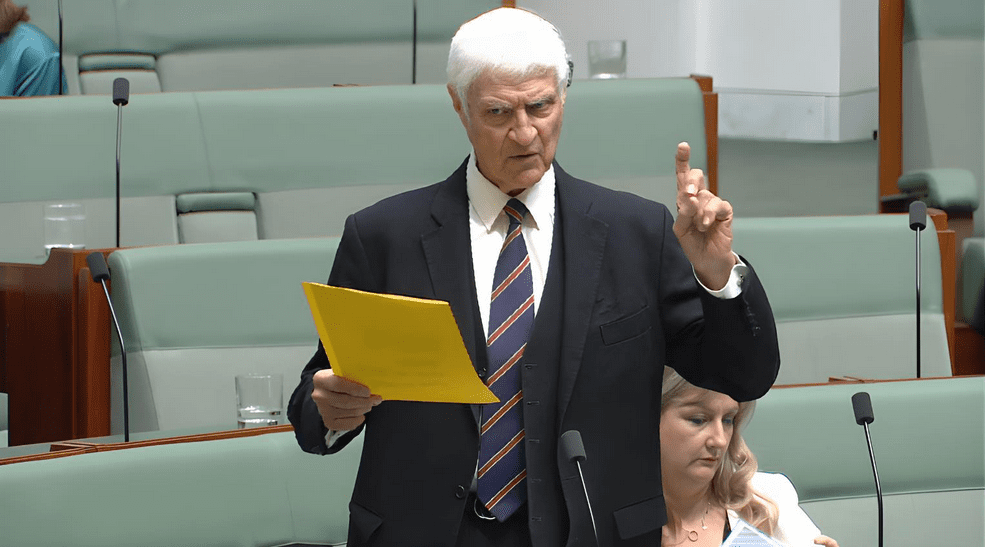
Member for Kennedy Bob Katter addressing the House of Representatives. File photo: Bob Katter facebook page
Speaking in Question Time last Tuesday, Member for Kennedy Bob Katter said Australia was 30-percent self sufficient in oil, but only 3pc self-sufficient in petrol.
“As a big five in grain and sugar — ethanol feedstocks — we’re uniquely placed for self-sufficiency, yet we live at the mercy of the Middle East,” Mr Katter told the House of Representatives.
Fertiliser response
Neither Fertilizer Australia as the peak body, or Nutrien as one of its members, were able to paint a picture of what Australia’s near-term supply of urea looked like.
“Ongoing instability in the Middle East is disrupting global trade flows, with critical corridors such as the Strait of Hormuz playing a central role in the movement of energy, fertiliser, and many other goods,” Nutrien said in a statement.
“This remains a fluid situation, and we are staying closely engaged with customers as conditions continue to evolve.”
Fertilizer Australia chief executive officer Stephen Annells said it was important to remember that the Middle East was not the only supplier of urea.
“Australia does source urea fertiliser from other regions and will be seeking product from those regions; Australian importers have diverse supply sources,” he said in a statement.
“While much of the fertiliser required for sowing is either in Australia or safely on its way, we are aware of cargoes booked for Australia that are delayed in the Persian Gulf.
“Fertilizer Australia strongly encourages growers to contact their suppliers re their contracts.
“This is a highly fluid situation and its length and intensity will be the governing factor in how much Australian fertiliser supplies are disrupted and for how long.”
Call for calm on fuel
While the Middle East is a hugely important supplier of crude for global markets, oil fields in other regions including the Americas feed refineries around the world.
Hopes are high that they can produce enough diesel to get Australia’s winter crop planted, and keep the country’s road, rail, air and sea freight, as well as passenger vehicles, moving.
On the Pittsworth Community Board Facebook page, a call for calm has come from Arek Fuel principal, grower, and farming contractor Russell Keeley to accompany his announcement that the Darling Downs depot is out diesel as of today.
“I’m not sure when we will get more but when we do, the price will be higher,” Mr Keeley’s post states.
“If I could get everyone to consider others when filling pods and drums, things will eventually get back to normal
“We have sold as much in the past week as we normally would in a month.
“Some of this is greed and some is panic buying; also, some is people not being able to get it from there usual suppliers.
“Let’s all work together so we can get through this time.
“Don’t take it out on the resellers they are having a very tough time at the moment.
“There is no price gouging in Pittsworth by any resellers.”
Let’s hope the tankers arrive in plenty of time for peak sowing 2026, and the urea cargoes soon after.
Its all price gougeing just returned home from Brisbane the further west you run the cheaper the fuel if they do have it
I thought as in the past decades 80s FREIGHT made fuel dearer NOW it makes it cheaper
The fuel watch dog needs putting down as it dosnt seem to have any teeth and train another one