
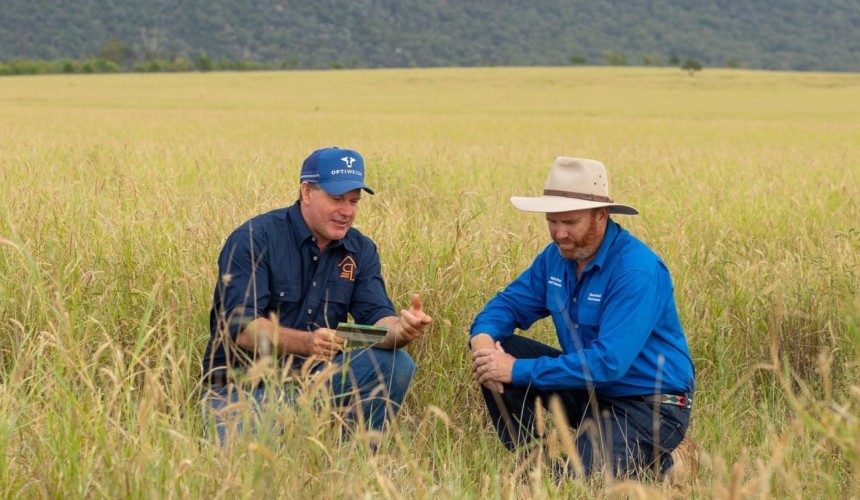
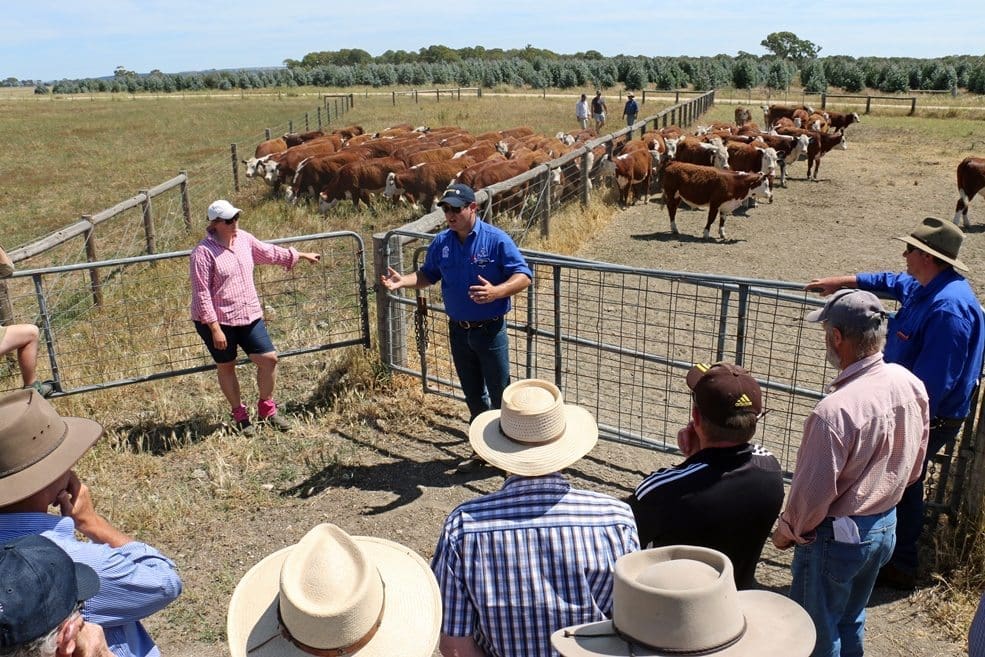
THE Australian cattle industry invests heavily in research, but getting those findings adopted in the paddock remains a perpetual challenge.
The issue was discussed repeatedly during the Northern Australia Beef Research Update Conference in Brisbane last week, where researchers, extension specialists and producers offered a range of views on why widespread adoption often remains elusive, and which strategies have shown to be most effective to date.
Here is a sample of some of the thoughts on the topic shared during the two-day event.
Love thy neighbour
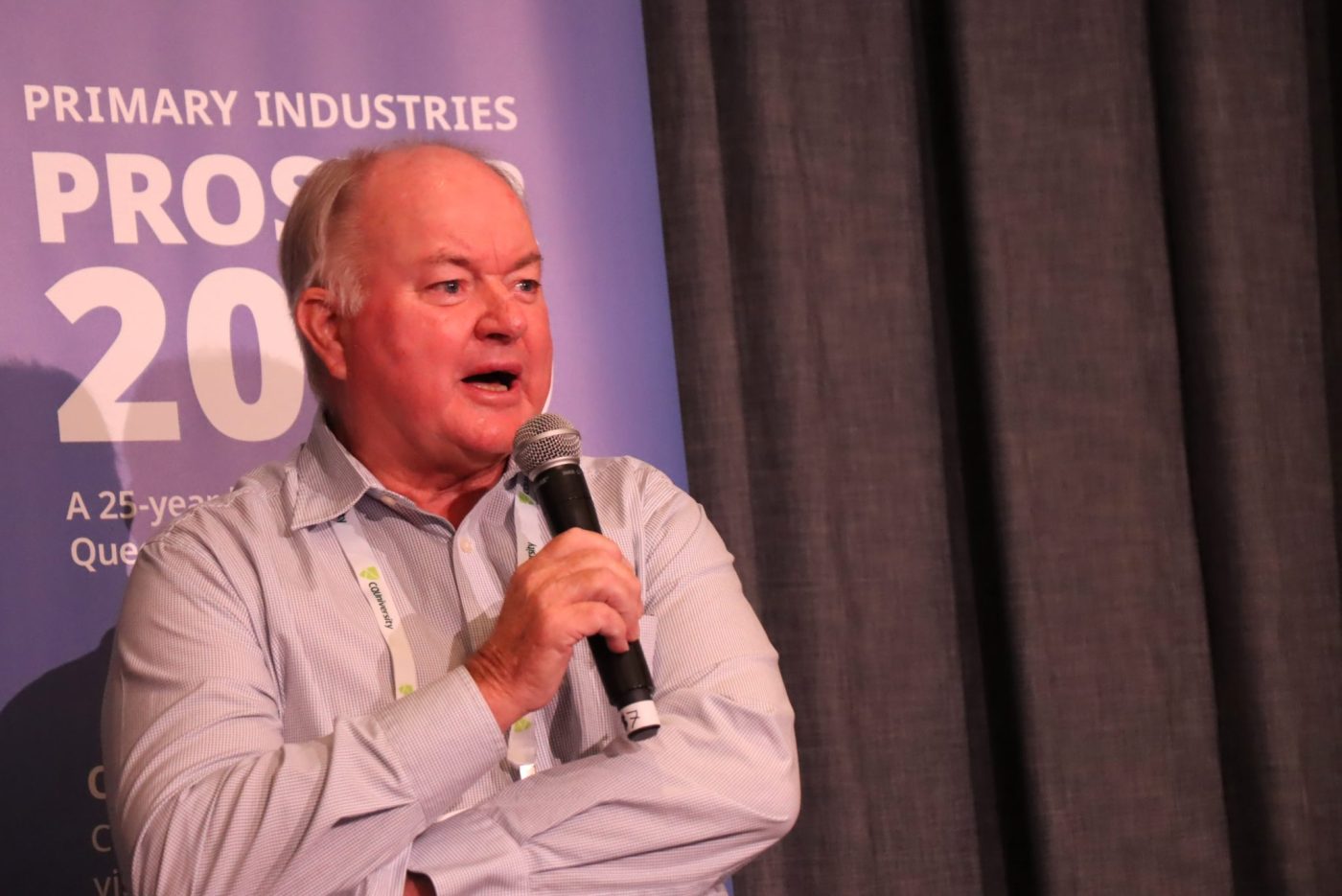
David Foote
Asked for his thoughts on how to improve adoption rates, Australian cattle industry leader David Foote pointed to the effectiveness of producer demonstration sites.
“I think what the internal research has shown is the importance of producer demonstrations,” he said.
Co-designed research
The Gascoyne/Pilbara region of Western Australia has pioneered a research approach that supports pastoralists to design, deliver and extend their own research projects.
Liz Moss, who runs the Pilbara Innovation Partnership, said it became clear early on that the main barrier to effective adoption was not the research itself but “the systems around it”.
“It’s how the funding, extension, the universities and the producers, how they actually connect and how they communicate,” she said.
“What’s worked really well with this is that the pastoralists are the ones that have the final say on what’s funded and what that does for the industry, and that’s all developed from the very start.”
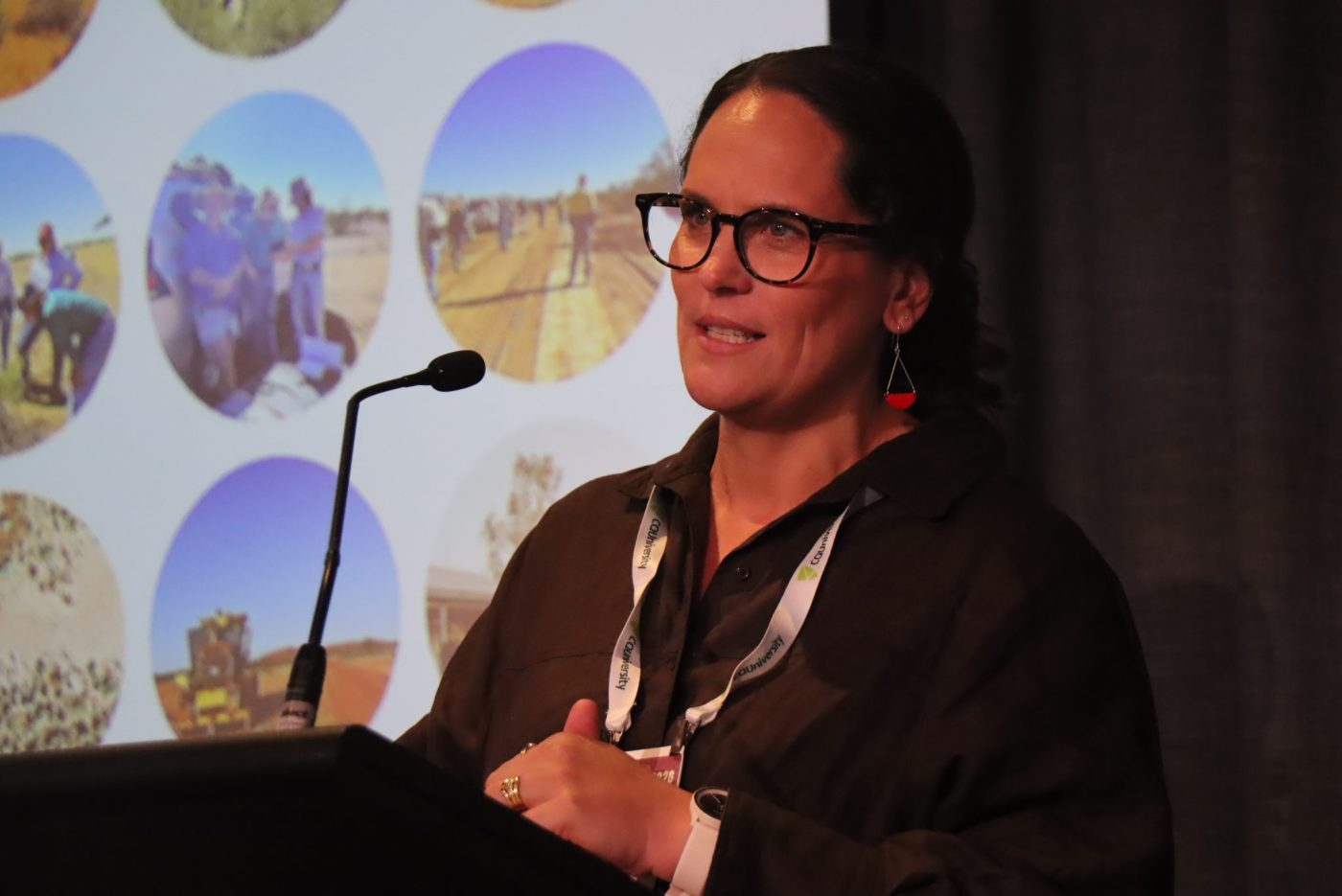
Krystie Bremer
Krystie Bremer, CEO of the Gascoyne Pilbara Rangelands Initiative, also highlighted the value of practical, producer-led approaches delivered through collaborative extension and on-ground projects.
“We found that extension and therefore adoption works well when it fits in that reality, when it’s in line with the current requirements of the region, and when it’s delivered by people that are trusted and it’s also timed correctly,” she said.
“So we found that adoption isn’t actually about awareness, it’s more about the relevance, the trust and the timing of what it is that we’re trying to get them interested in.” (See more on this in Lindsey Perry’s article from NBRUC on the growth of peer to peer research)
Adoption “embedded” into research projects
In her presentation, Meat & Livestock Australia’s program manager for adoption, Sally Leigo, also reinforced the need for producers to be at the centre of research design and extension activities from the outset.
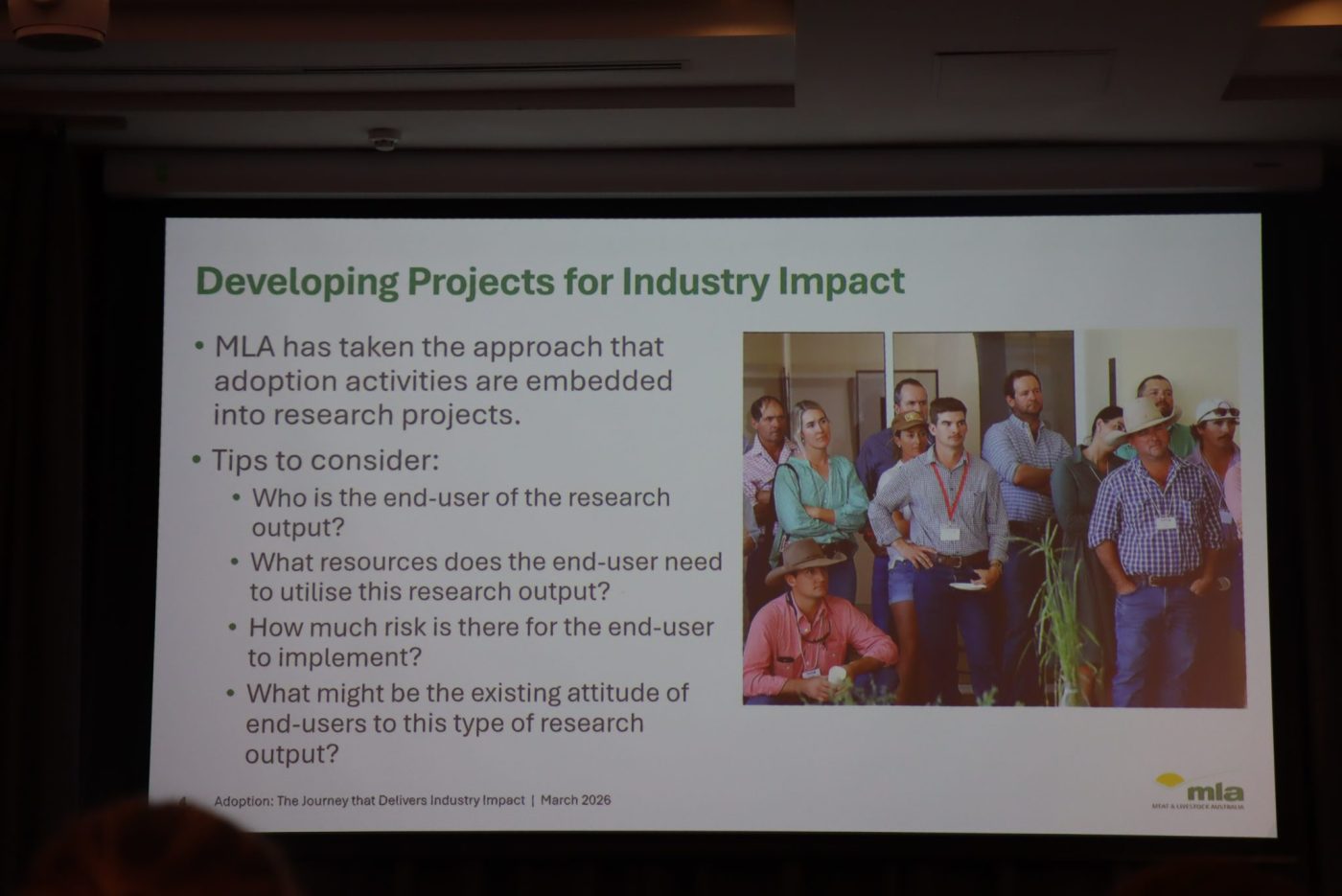
“A key step is working with your end users to define the problem,” she told the conference.
“We heard comments yesterday about sometimes we’re trying to address the symptom and not actually trying to address the cause.” This reinforced the importance of spending time with end users to really understand what is the cause that might be driving the symptoms they’re experiencing in their business, she said.
The psychology factor
“I think it is a huge generalisation, but the majority of the bush are introverts,” David Foote added.
“So they don’t like to ask questions on the day.
“They want to think about in the truck on the way home.
“And then it is important they actually have somebody to reference that to, or talk back to.
“There are just not many of us in the bush who are front row.”
The rising role of behavioural science
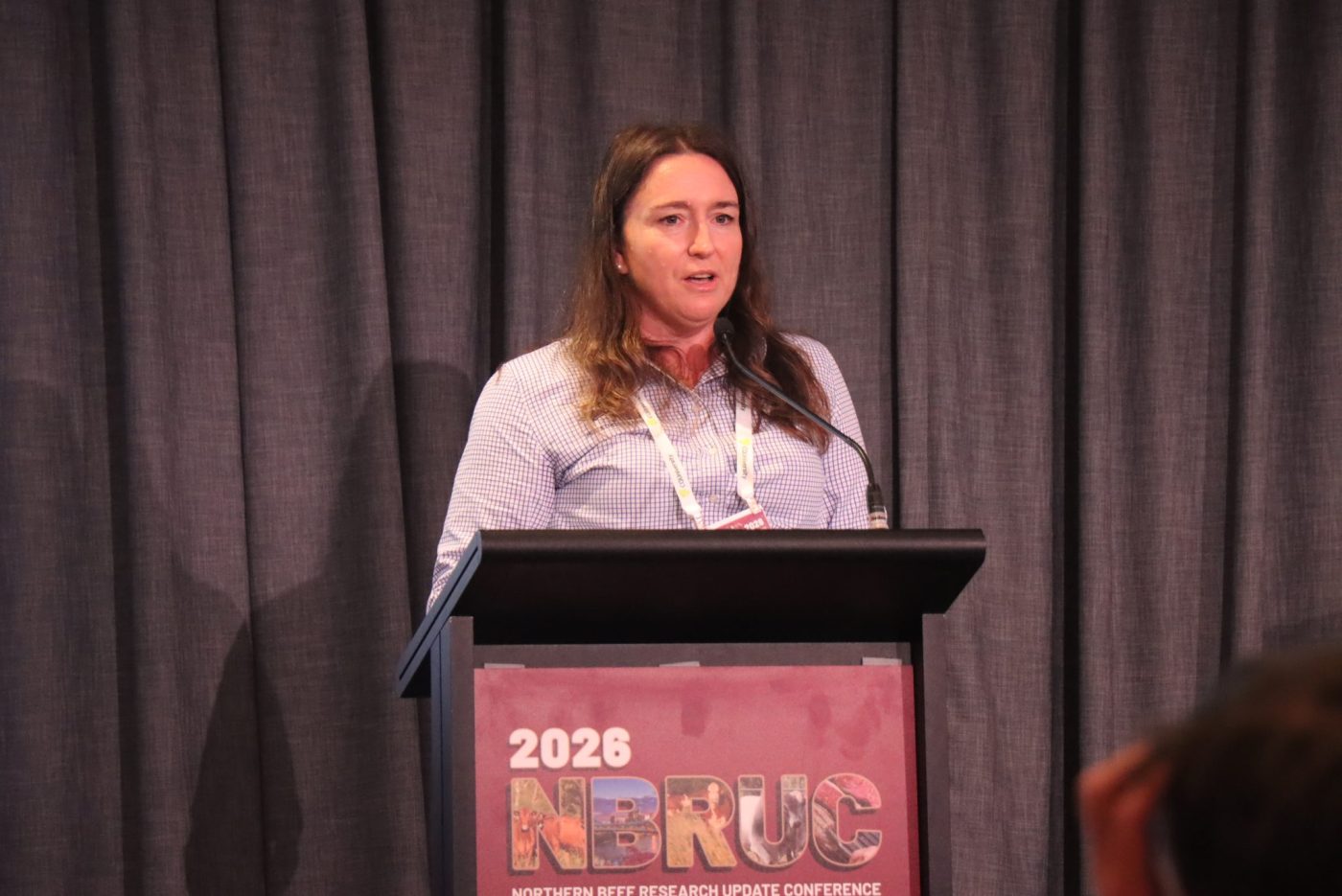
Sally Leigo
In a similar vein MLA’s Sally Leigo told the conference behavioural science is playing an increasingly important role in research and development extension programs.
“What’s coming through in the emerging extension methodology is the use of behavioural science, and it’s certainly what our marketing people utilise.
“So thinking about understanding the practice and how people feel about it, understanding the people that you’re trying to influence with this practice, their attitudes and how they want to learn, and then designing the extension activities with those insights in place.
“If you’re trying to sell Toyotas, this is exactly the same thing you would do. You would want to understand how big your market is, who the people are, and what is motivating them.
“So that’s going to be a new tool for us to start using more and more as we start to understand the complexities of the people who we’re asking to implement these practices.”
Understanding why some people are ‘very angry’
Another speaker expanded on the psychological aspects underpinning the adoption issue.
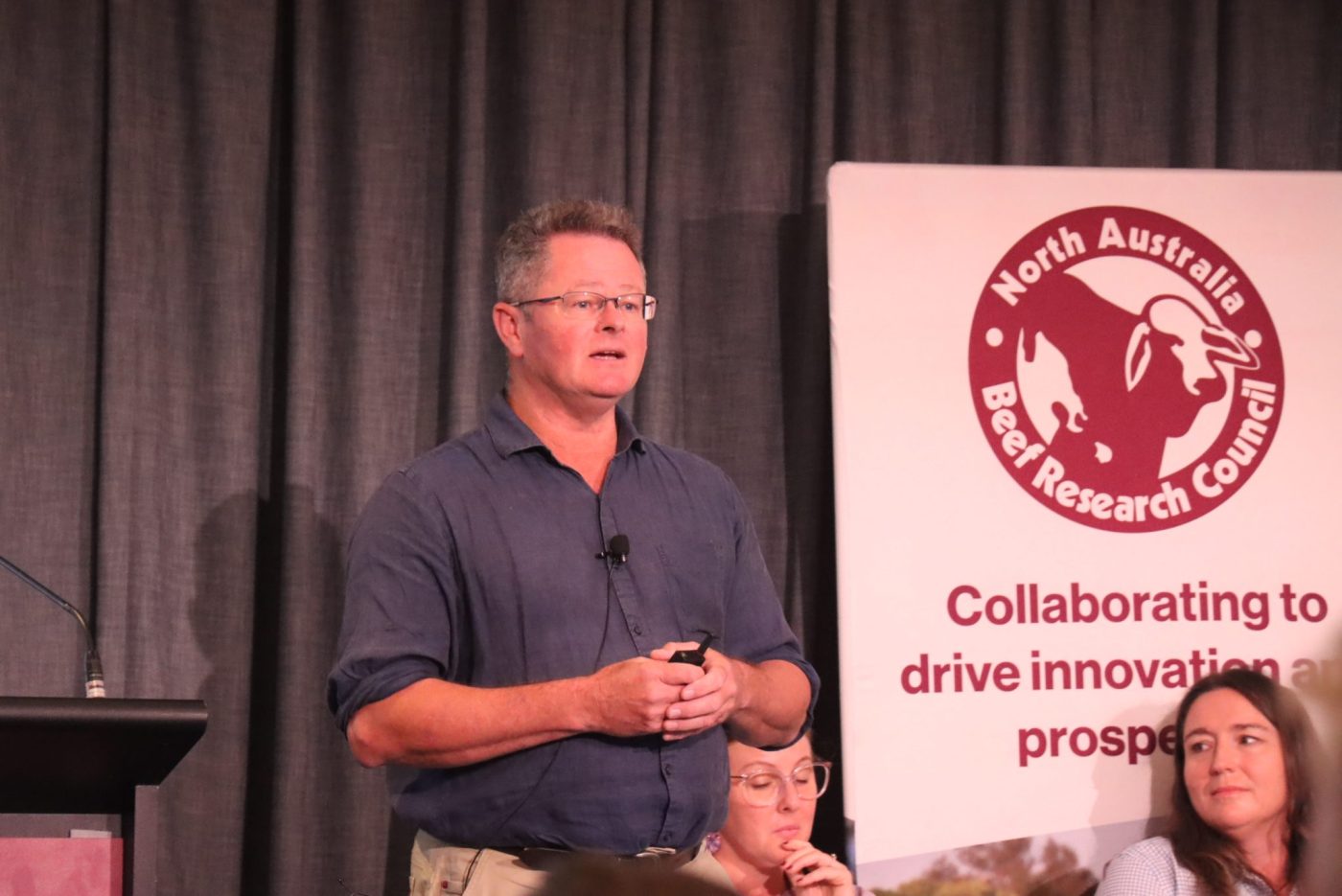 Dr Bradd Witt from the University of Queensland has led research in recent years examining how the Australian cattle industry is perceived by the public.
As part of that work, he and his fellow researchers surveyed cattle producers across Australia on how they feel about the public scrutiny facing the industry and whether they feel supported by the public.
The survey identified four broad types of beef producers, ranging from those who believe the industry is in a strong position on sustainability and has good public support, through to those who feel the industry is vulnerable and under attack (more on the research in this earlier article).
But Dr Witt delved further into the research to highlight one particular anonymous survey response which accused the survey designers of being biased and pandering to ‘ratbags on the woke left’ who were trying to shut the industry down with mistruths, when Australia had the best and most sustainable beef industry in the world.
While not representative of all respondents, he said it was not an isolated sentiment in the survey comments. While some might be tempted to ignore such responses, he urged the research community to look more deeply into what is driving these views.
“Now, first, my response was to take that personally,” he said of the critical comments. “We’d invested months developing this survey, trying to make it as unbiased and non-judgmental as possible, to get to the core of how people were feeling.
“But after a while, I realised now I’ve got to stop and listen to this and what’s really going on here.”
He said it was important to understand why people in the industry were feeling angry, isolated and mistrusted.
“Because if people are in that place, it’s very hard to build capacity and resilience,” he said.
“I think from a researcher’s perspective, this is a really interesting place to explore carefully and take your time in it, there’s a lot to be done in terms of communication and research in that particular space.”
Extension capacity challenge ahead
Looking ahead, MLA’s Sally Leigo pointed to the loss of capacity as experienced extension officers retire as another issue the industry will need to manage.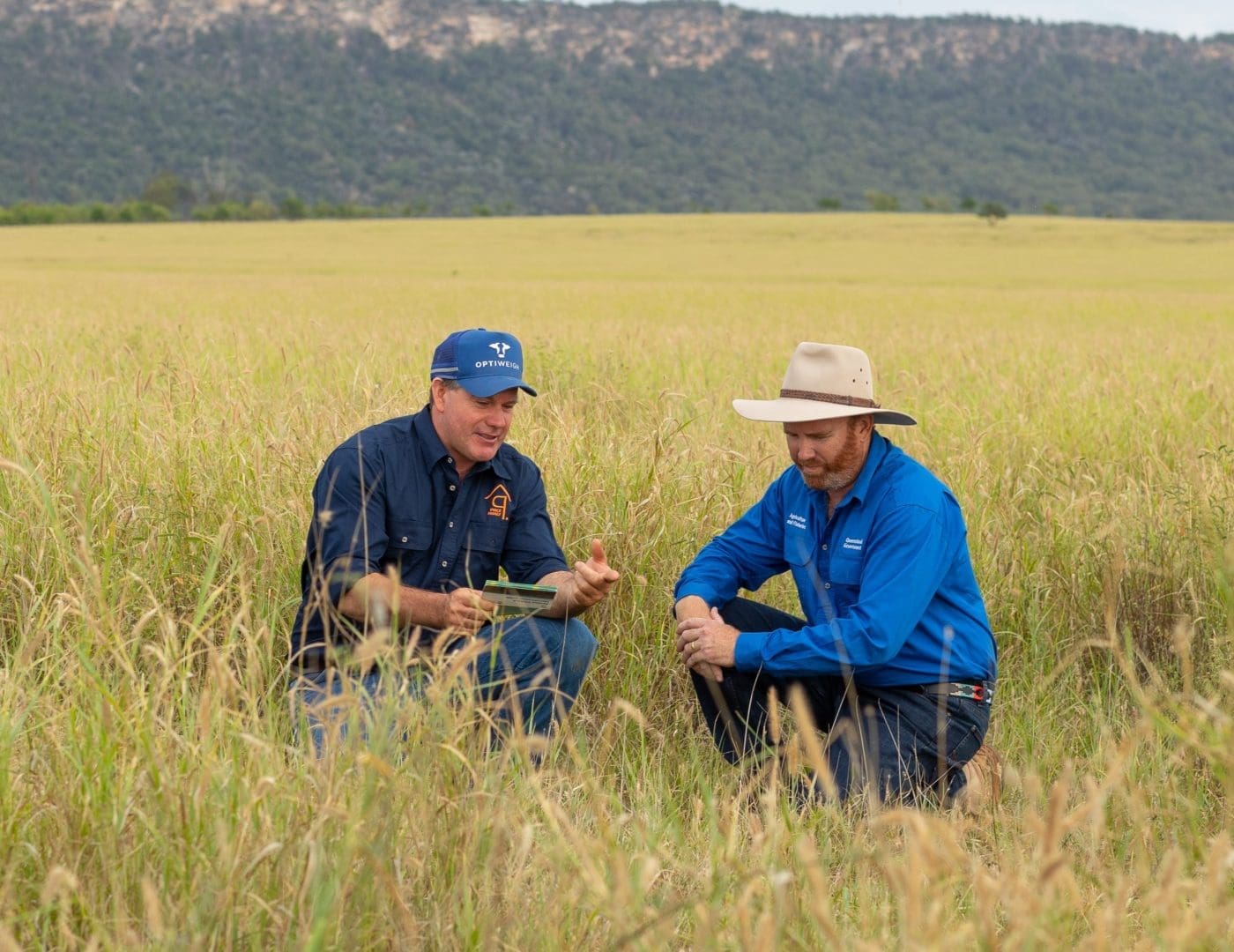
“We’re seeing our skilled extension people starting to retire, which is leaving us with a bit of a gap in experience networks and their relationships and trust that they’ve built with producers,” she said.
Of the 11 universities in Australia offering a Bachelor of Science in Agriculture degree, only four currently offer a subject in extension.
“I work closely with my colleagues in the other RDCs and this is a conversation we’re having at the moment – how are we going to develop more extension people who have the skills and capability that we need in order to see our extension and adoption activities occur?
“Because it is those individuals that are bringing the producers together, they are building those producer groups, and they’re helping tap people on the shoulder and say, hey, you should come along to this or you should learn about this.”
MLA’s investment in the livestock advisor program is a key part of the strategy aimed at building that professional capacity for the future, she said.
An excellent commentary and has for many years been badly needed. I am an agribusiness management consultant.
So pleased to see this overdue recognition of how adults learn and adopt practices. Yet almost all events I see scheduled advertise an array of speakers out the front of the group usually arranged in rows. Not the way forward to achieve a lasting effect. The spray paint wears off quickly. A few simple behavioural science changes such as seating people in small group tables have been around for at least 2 decades.