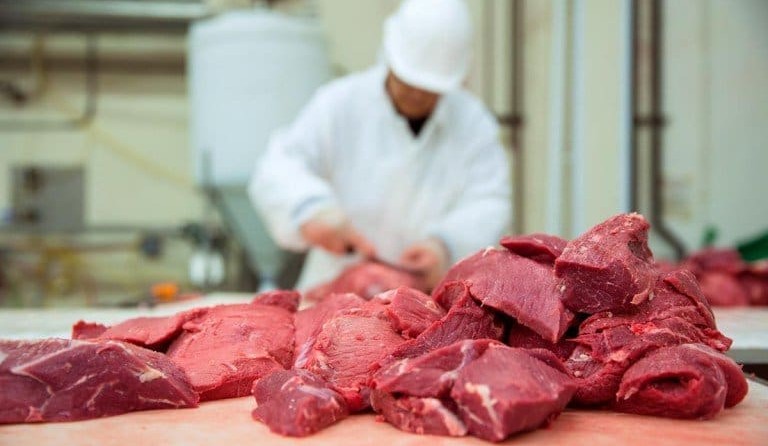
RED meat processors and live cattle exporters have welcomed the Albanese Government’s announcement of a 12-month delay to its implementation of increases to fees and charges associated with its export regulatory services.
The Australian Meat Industry Council this morning expressed its appreciation to the Federal Government including Agriculture Minister Collins and the Department of Agriculture Fisheries and Forestry.
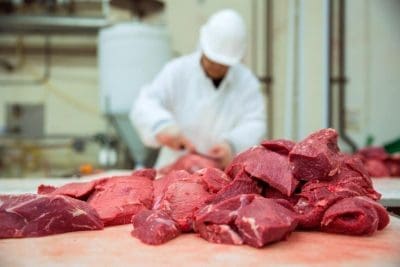 “They have listened and responded to industry concerns by delaying plans which would have affected Australia’s international competitiveness and the economic viability of red meat export businesses at a time of particular challenges and uncertainty,” AMIC chief executive Tim Ryan said.
The Australian Meat Industry Council is the peak industry body representing the meat industry’s processors, smallgoods manufacturers, wholesalers and distributors through to independent retail butchers and exporters.
AMIC has raised serious concerns about the moves since the December 2025 announcement of the government’s intention to charge export businesses for a greater suite of government activities, and significantly increase fees and charges to cover the rapidly expanding costs in DAFF.
“This announcement was a reflection of our work to ensure that the challenges faced by Australian meat businesses are known and heard by the Australian Government,” Mr Ryan said.
Despite the government’s announcement today, the proposed changes ultimately represent a tax on agricultural exports at a critical time of international trade uncertainty and restriction, with red meat businesses currently facing significantly increased costs, loss of critical overseas markets, and genuine risks to the viability of meat businesses and regional jobs.
AMIC has advocated against the expansion of government cost recovery to additional areas of government export regulatory services and insisted on the need to review DAFFs expenses.
“While AMIC welcomes the 12-month delay, we remain committed to working with government to drive agricultural productivity, particularly through efficient trade and access to overseas markets,” Mr Ryan said.
“In this respect, AMIC reaffirms our call for an independent review of DAFF’s cost base to be carried out during this transition period to provide transparency and prioritise areas to drive productivity in regulatory services.”
Live exporters welcome delay
Meanwhile, the Australian livestock export industry has welcomed the decision to delay the implementation of proposed cost recovery arrangements by 12 months, describing the move as a practical and measured response to industry concerns.
The decision follows recent consultation between government, exporters and industry representatives, during which significant concerns were raised about the sector’s capacity to absorb additional cost pressures.
Australian Livestock Exporters’ Council chief executive officer Mark Harvey-Sutton said the delay provides much-needed breathing room for an industry already navigating a complex and challenging operating environment.
“The move to cost recovery was always going to be difficult and the current operating environment has added even more weight to the viability argument. We congratulate Minister Collins’ for her recognition of this and her support of the industry,” Mr Harvey-Sutton said.
“Exporters are facing a combination of challenges including a prolonged wet season, fuel access and affordability constraints and heightened geopolitical instability across key trading regions.
“In that context, the Minister’s decision to pause and allow more time is a commonsense outcome.
Mr Harvey-Sutton said the pause would also allow more time for the Department of Agriculture, Fisheries and Forestry to consider feedback provided by the sector as part of its consultation process. This feedback has strongly advocated for an examination of the current cost base and for savings to be found to deliver long-term sustainability.
“We remain committed to working constructively with the Government to get this right. It’s critical that any cost recovery framework recognises the realities facing exporters and does not undermine the sustainability of this vital sector,” he said.
Australia’s live export industry is valued at around $1.3 billion annually and supports more than 13,000 jobs, particularly in rural and regional communities.
A copy of AMIC’s CRIS submission can be found here.