
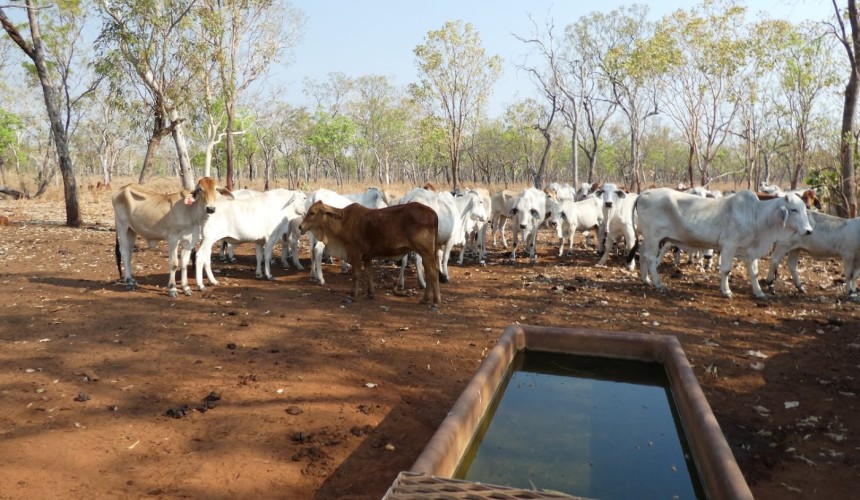
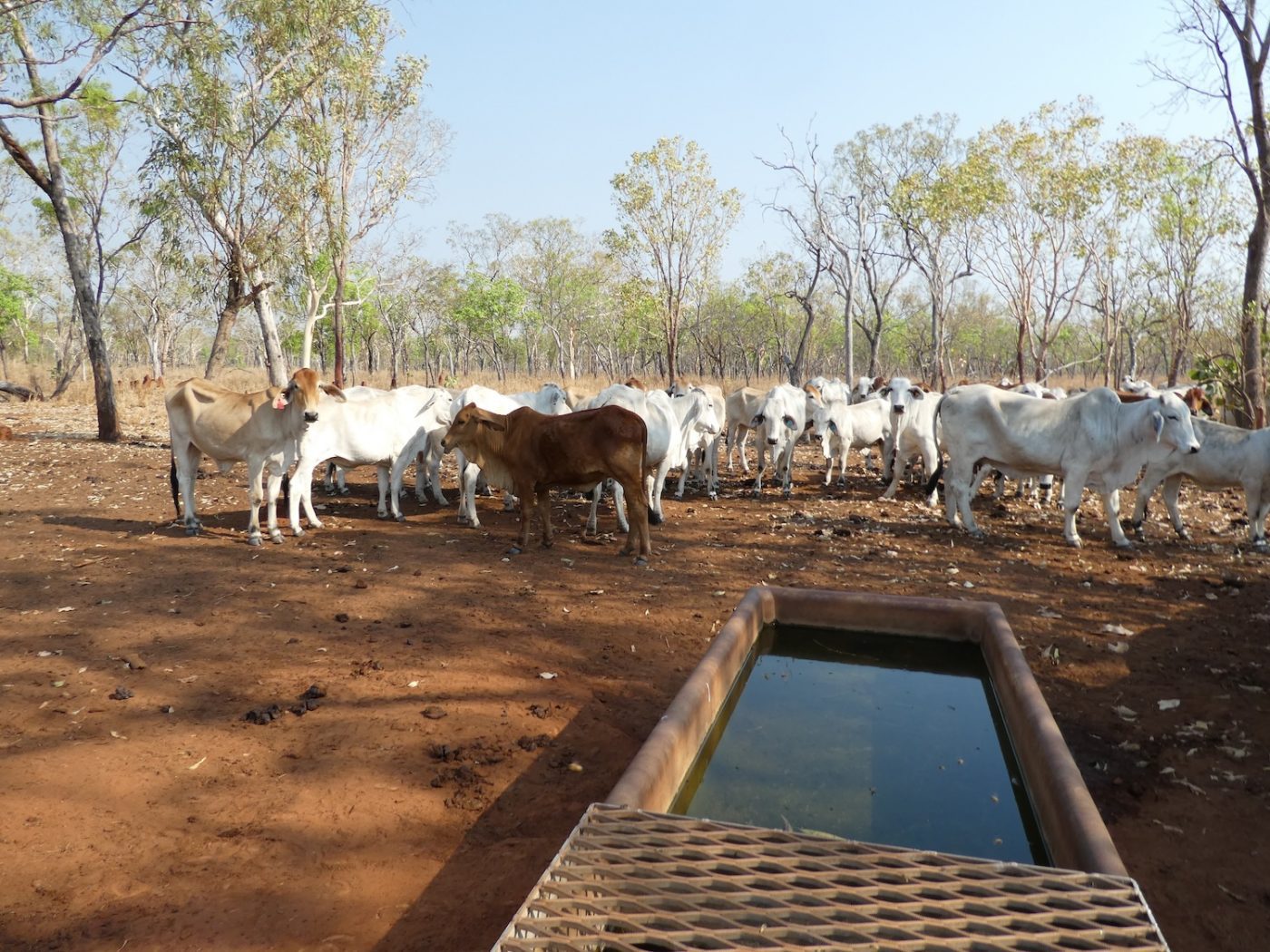
WATER troughs could soon be roped into Australia’s biosecurity surveillance system, with new research showing they can act as effective early warning points for livestock disease.
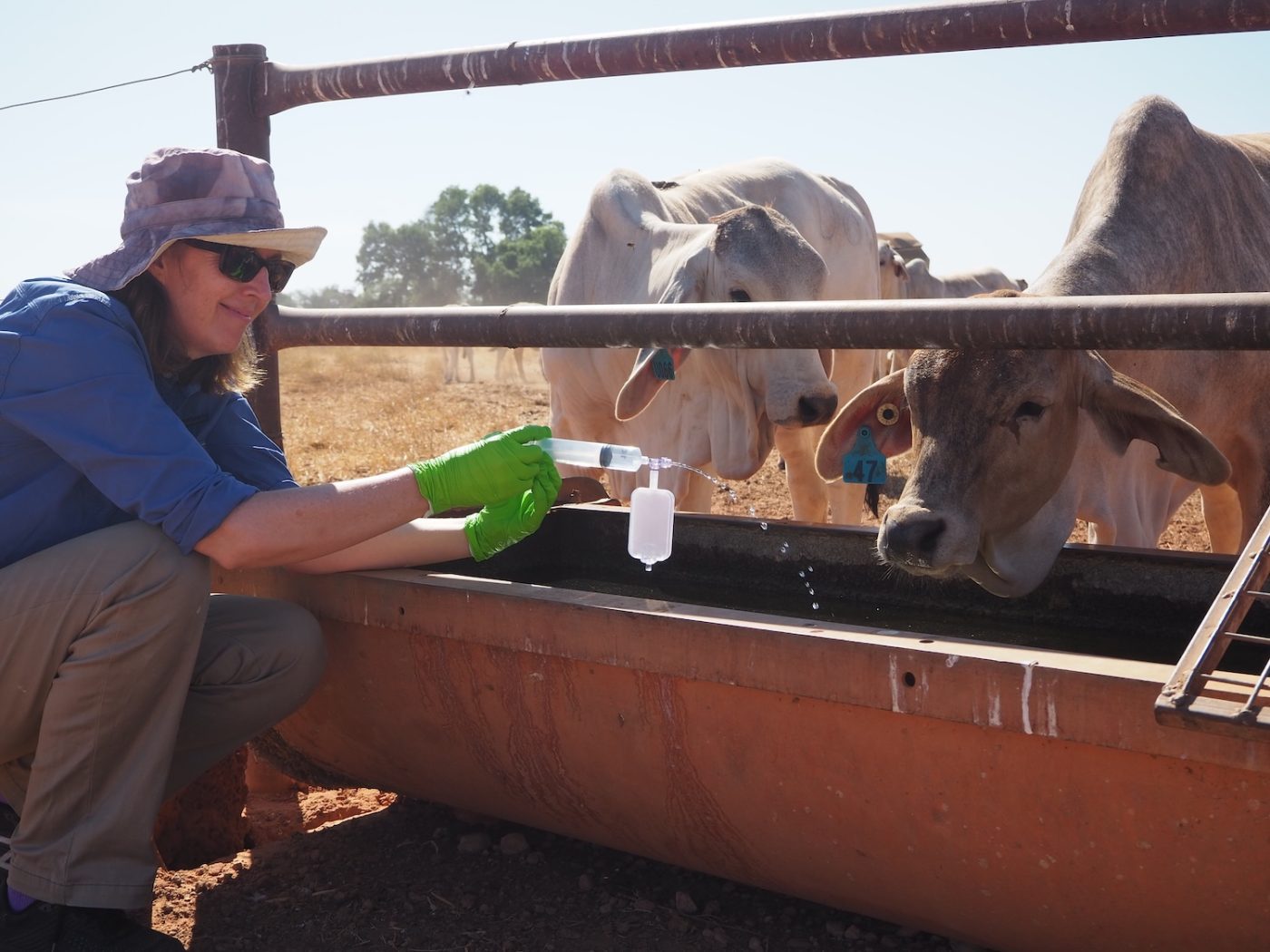 A newly published paper by the Research Institute for Northern Agriculture (RINA) at Charles Darwin University has demonstrated that simple environmental nucleic acid (eNA) testing of trough water can detect bacterial and viral signatures linked to livestock health, offering a potential new layer of surveillance for the cattle industry.
The research paper notes that early detection is critical in managing potential disease threats such as foot-and-mouth disease and lumpy skin disease.
Traditional surveillance relies on sampling individual animals, which is often impractical in northern Australia’s vast grazing systems.
 The research explored whether water troughs, where cattle regularly congregate and shed biological material, could provide a simpler, herd-level monitoring point.
Researchers trialled four different eNA sampling approaches in a practical trial involving Brahman cattle in paddocks watered only by troughs at CDU’s Katherine Rural Campus.
The four sampling methods evaluated were syringe, cartridge, funnels and passive filters.
The research showed that all methods successfully detected microbial and viral eNA communities in trough water, which underlined the potential value eNA sampling can offer as an effective surveillance source.
Of the four methods, syringe filters emerged as the most practical and cost-effective. Cartridge filters delivered higher sensitivity and captured more microbial diversity, while passive filters showed potential to detect intermittently shed pathogens over time.
The study detected a wide range of bacterial and viral families in trough water, demonstrating that shared water points can act as a collection point for herd-level health signals, even from animals not showing symptoms.
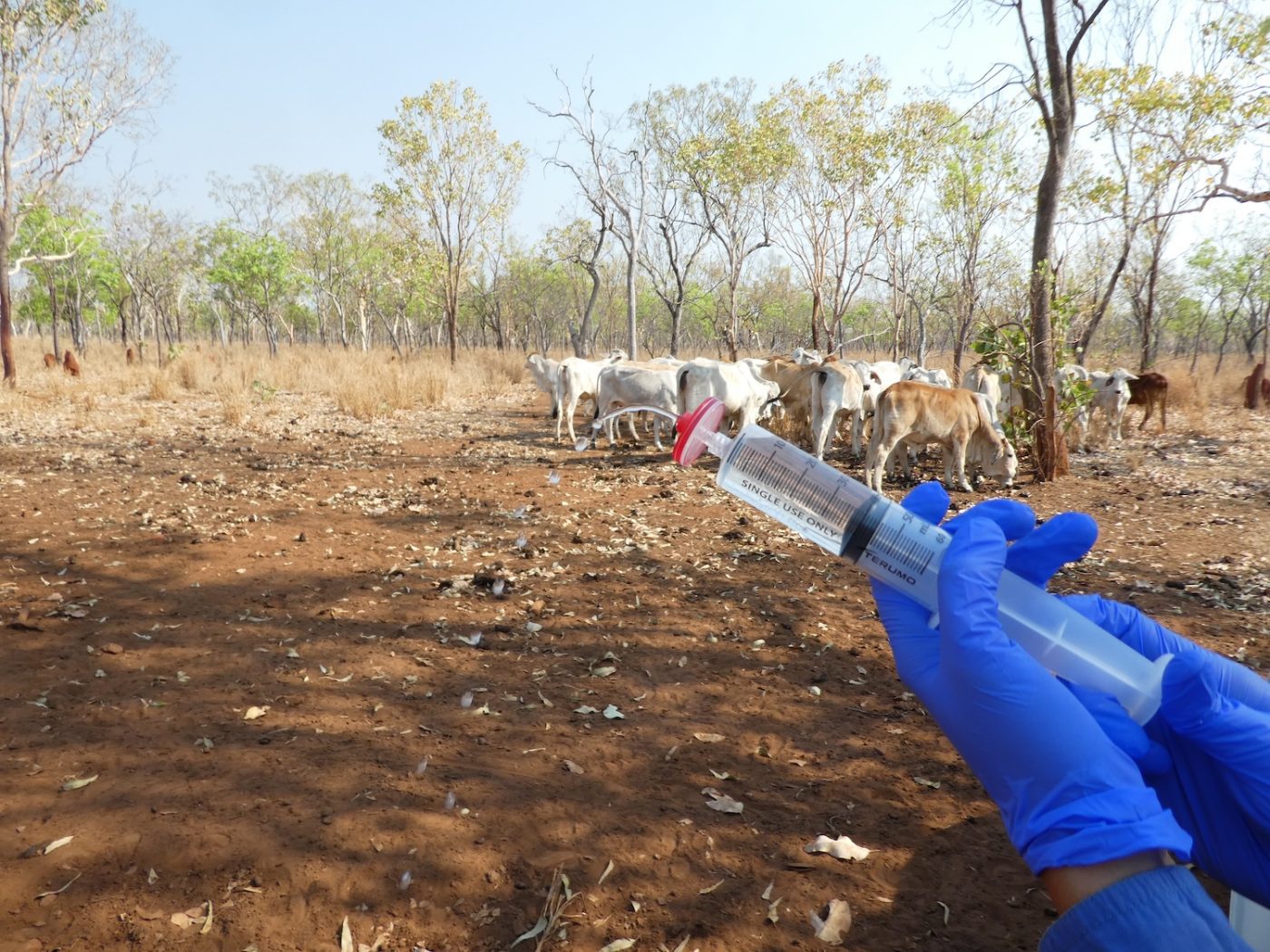
“Our study supports the trough environment or other shared drinking or feeding environments could represent high-value sentinel locations for pathogen surveillance, particularly in extensive grazing systems where direct animal sampling is impractical,” the paper states.
While eNA methods offered powerful tools for pathogen risk identification, the researchers said the approach should complement rather than replace existing surveillance and diagnostic systems.
“eNA offers a scalable tool for early risk detection in extensive livestock systems where individual testing is challenging.
“False positives from eNA alone could lead to severe regulatory and economic consequences. Therefore, robust protocols, quality control, and confirmatory testing remain essential.
“While eNA testing cannot diagnose disease on its own, it provides an early warning signal that could trigger targeted follow-up testing.”
The study demonstrated that the sampling methods were low-cost and easy-to-use, opening the door to industry-led surveillance programs involving producers directly.
- To view the published research paper click here
Good start, long road thou