
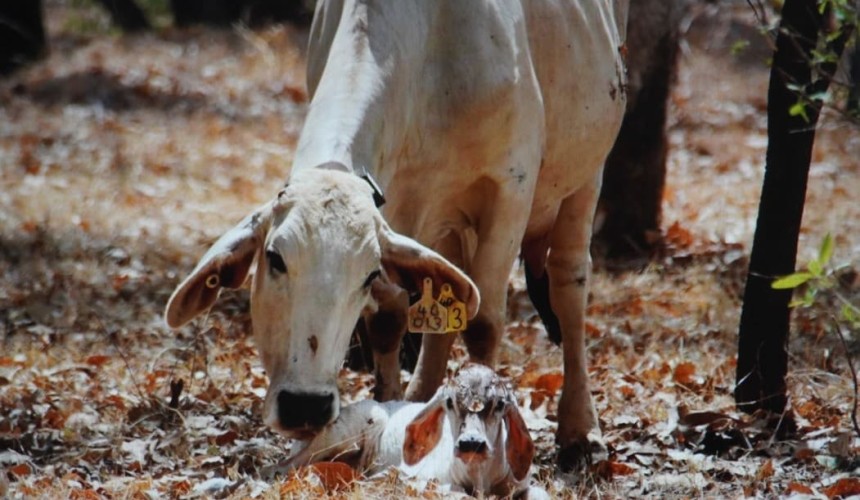
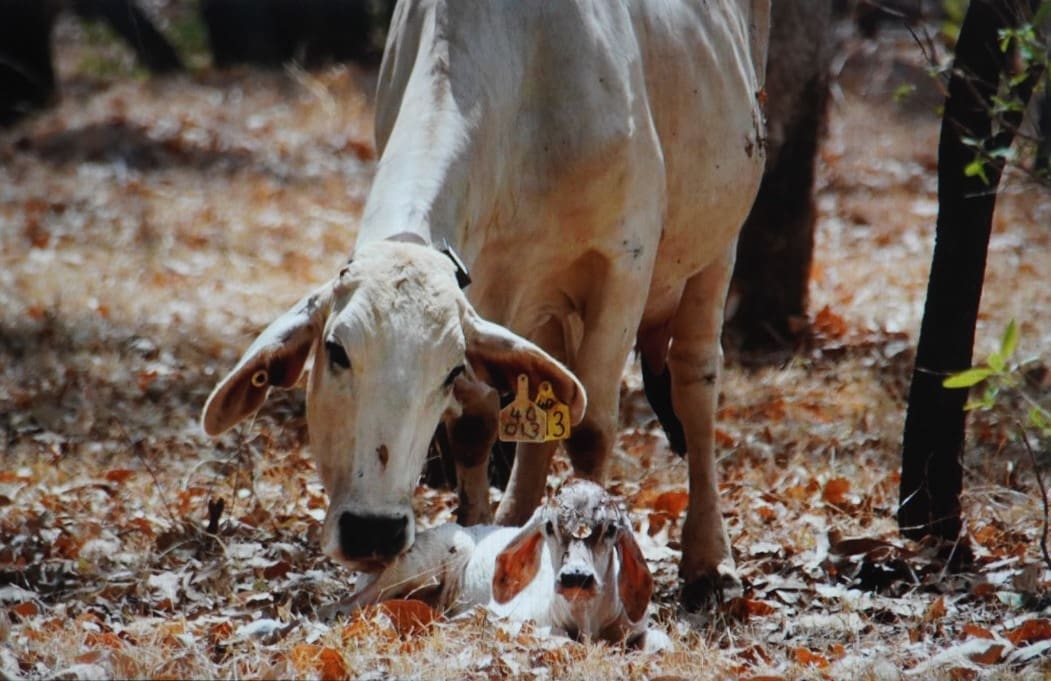
WITHIN any beef breeding program, managing the variables that contribute to reproductive success requires focus across herd health, nutrition, livestock age, body condition score and animal weight.
However in many programs, success is still judged by broad measures such as conception rate, calving percentage, or even weaning percentage.
While these metrics provide useful benchmarks, they can obscure the underlying factors that limit true productivity. What ultimately drives profitability is not simply the proportion of cows in calf or calves branded, but the kilograms of beef produced per hectare.
To achieve this outcome, producers need to understand and address hidden sources of loss that restrict both the number of calves born, and the weight of calves weaned.
Perhaps the most significant of these hidden issues are those associated with embryonic loss. These are the losses that occur after conception but before pregnancies are firmly established, typically within the first 45 days of gestation.
Unlike calf deaths, which can be observed, embryonic losses are invisible in the paddock and often mistaken for cows that never conceived. In reality, many of these cows do conceive, but fail to maintain the pregnancy. As a result, fewer calves are born, calving patterns become more extended, and less weight is ultimately weaned per hectare.
Challenging
Determining the prevalence of embryonic loss across industry is challenging, as most losses occur before pregnancy can be reliably detected. However, research led by Dr Geoffry Fordyce in the early 2000s, with the support of MLA, QDPI and the Beef CRC, developed a clearer understanding of the issue, particularly in northern herds.
This work combined intensive herd monitoring with a review of existing studies and provided the first reliable benchmarks for fertilisation failure, embryonic mortality and foetal loss. It established that embryonic loss, though largely invisible to producers, is one of the most significant contributors to reproductive wastage in extensive beef systems.
 The project demonstrated that while fertilisation rates are high, a significant share of conceptions do not progress. Around ninety percent of cycling cows mated to fertile bulls conceive during an oestrus cycle. Of these conceptions, however, almost a quarter fail to progress beyond the embryonic stage.
Benchmarks proposed from the project identify these as being around twenty percent for early embryonic loss, occurring in the first thirty days, and five percent for late embryonic loss, occurring between thirty and ninety days. By contrast, foetal loss after day forty-five averaged only about three percent. In practical terms, of every one hundred cycling cows joined to fertile bulls, about ninety will conceive, but only sixty-five to seventy pregnancies will continue past day forty-five.
Embryonic mortality is not confined to a single point in gestation. Most losses occur very early, between days eight and eighteen after fertilisation, when the embryo must signal its presence to the dam to prevent her from returning to oestrus.
If this process of maternal recognition fails, the pregnancy is lost almost immediately. Losses that occur after thirty days are less frequent but often more disruptive to calving patterns, as cows will have missed the opportunity to recycle and conceive again within the same joining window.
Disease impact
The causes of embryonic loss are varied, but infectious diseases are consistently among the most significant contributors. Vibriosis often allows conception but results in embryo death within weeks. Trichomoniasis, another bull-borne infection, produces similar outcomes.
Pestivirus (BVDV) is widespread across Australia and can trigger early embryonic loss, foetal death or the birth of persistently infected calves that perpetuate infection cycles. Leptospirosis is another significant disease, particularly in wetter environments where it thrives, while other pathogens such as Neospora and infectious bovine rhinotracheitis (IBR) are less common but still recognised.
Nutritional impact
Nutritional and metabolic stress also strongly influence whether a pregnancy is maintained. Inadequate energy and protein reduce egg quality and compromise the ability of the uterus to support the developing embryo. Evidence suggests that micronutrient deficiencies, particularly of vitamin A, phosphorus and selenium, are linked with higher rates of early loss.
Seasonal fluctuations in pasture quality or extended periods of poor body condition at joining only amplify these risks, making nutrition one of the most practical levers for reducing embryonic wastage.
Environmental, management impact
Environmental and management stress add further pressure at critical times. High temperatures during mating and early pregnancy are well known to depress conception rates and reduce embryo survival, especially in northern production environments.
Routine handling, such as mustering or transporting cows in the first month after joining, can disrupt the delicate process of implantation and increase the likelihood of loss. Even though these stressors are not always visible in their impact, they can quietly erode herd fertility and contribute significantly to overall reproductive inefficiency.
Bull fertility
Bull fertility is another important factor. Sub-fertile bulls contribute disproportionately to embryonic loss. Poor semen quality, abnormal sperm morphology, low serving capacity and venereal disease all compromise early embryo survival.
The MLA project also noted that genetic influences are likely to play a role, although current knowledge does not yet allow producers to make clear breeding decisions to reduce embryonic mortality.
The impact of embryonic loss on herd performance is often underestimated.
Non-pregnant cows are easily identified and removed, but cows that conceive and then lose an embryo before re-joining usually remain in the herd. These cows often calve later, which gradually extends the calving window and produces lighter weaners.
Over time, repeated late conceptions can push some cows outside the joining period altogether, increasing the risk of culling. Economic modelling undertaken as part of the research indicated that a twenty percent rise in embryonic loss would reduce the value of calves weaned by around fourteen thousand dollars per one thousand cows.
The impact reflects both the lower number of calves born and the weight penalties carried by calves that arrive later in the season.
While some level of embryonic loss is inevitable, the research provided practical recommendations that remain relevant for producers.
Conducting Breeding Soundness Evaluations on bulls before joining and managing venereal diseases through testing and vaccination is critical.
Controlling pestivirus through strategic sampling and vaccination, and managing leptospirosis in endemic regions, are also essential. Nutrition must be managed to keep breeders in adequate condition at joining and to prevent vitamin A deficiency in seasons where green feed is scarce.
Stress should be minimised by avoiding mustering or transport during the first month after joining and by providing shade and adequate water to mitigate heat load. Finally, selection within the breeding herd remains important, with cows that consistently rear calves retained and those with poor maternal traits or udder defects removed to build resilience over time.
Embryonic loss represents about a quarter of all reproductive wastage in northern beef herds. It occurs early, often silently, and yet its impact on weaning rates, calving spread and ultimately kilograms of beef produced per hectare is substantial. However, by addressing the underlying causes, disease, nutrition, stress and bull fertility, producers can reduce hidden losses, tighten calving patterns and increase the total weight of calves weaned.

Alastair Rayner
Alastair Rayner is Principal of RaynerAg and an Extension & Engagement Consultant with the Agricultural Business Research Institute (ABRI). He has over 28 years’ experience advising beef producers and graziers across Australia. Alastair can be contacted here or through his website: www.raynerag.com.au