
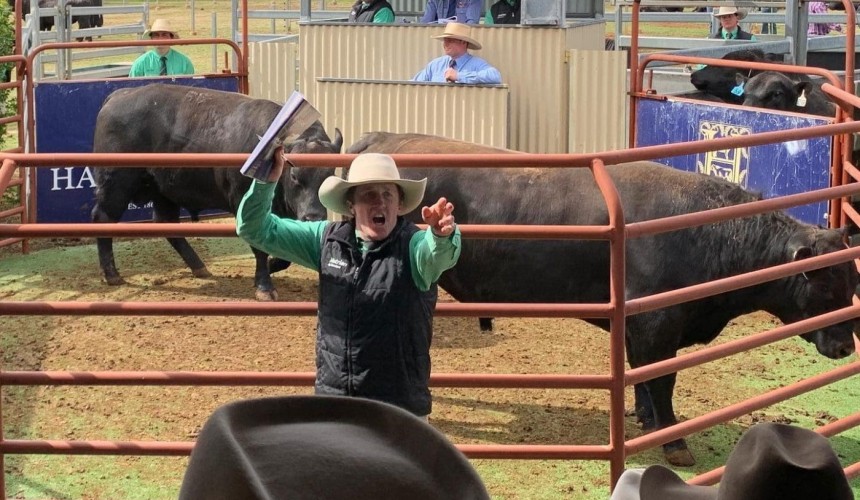
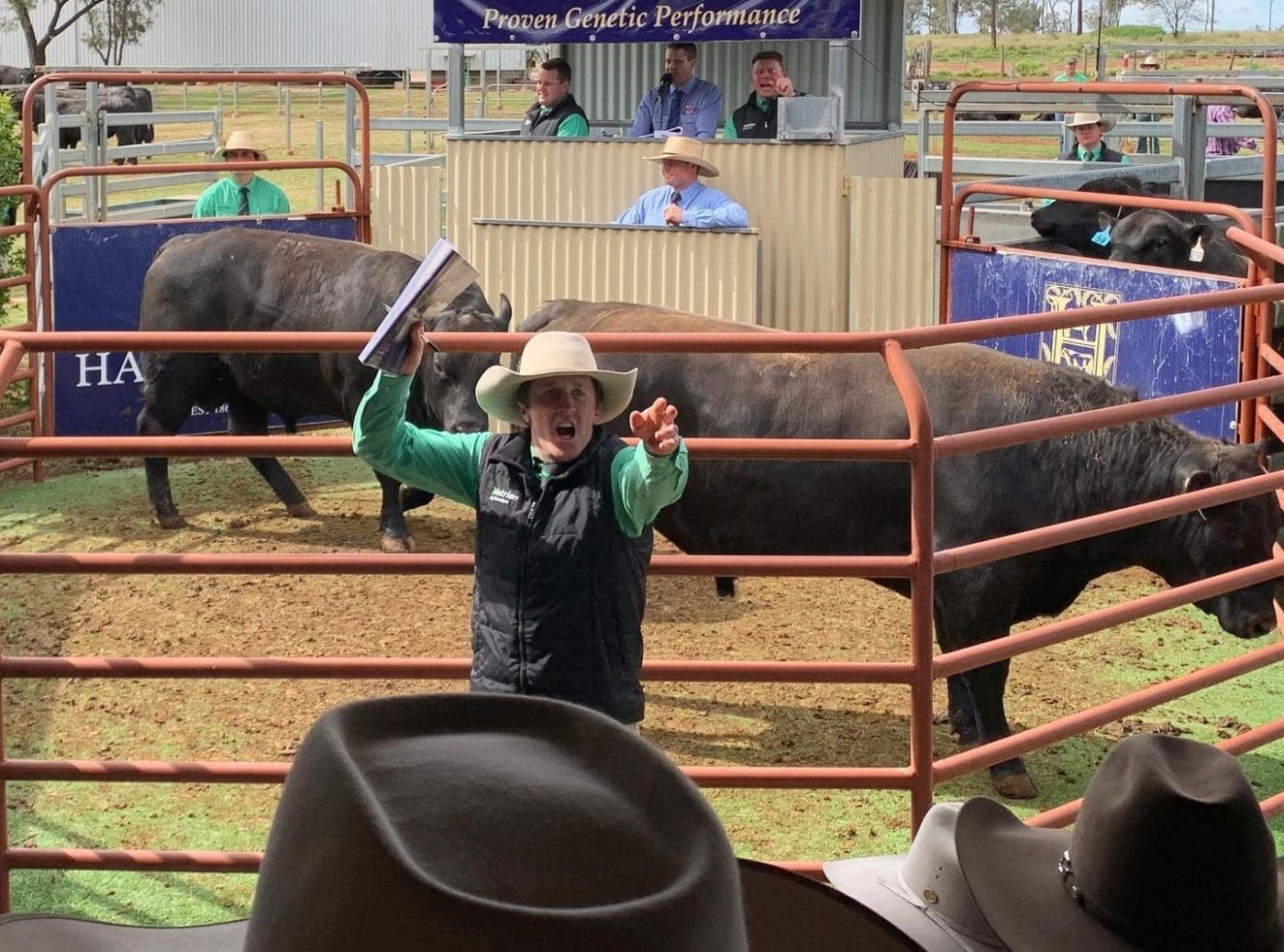
In 2024, almost 18,000 bulls were offered for auction sale across the major breeds. This number doesn’t include the many bulls that were sold privately in paddock sales or those bred and used within herds, or sold across the back fence.
The number last year was up from 15,969 in 2023 and again that total doesn’t pick up the privately sold bulls.
The point from this statement is that the accessibility of bulls is both an opportunity and a challenge for beef producers. The opportunity comes through the abundance and availability of bulls. The challenge is to be clear on what beef producers need from their new sires.
With multiple spring sales occurring across the continent over coming weeks, many beef producers become more focussed on sale dates and considering catalogues, without pausing to consider what it is they want any new bulls to contribute to their program.
Well ahead of searching catalogues, being clear on what aspect of herd performance needs to improve should be the first thought of beef producers updating their sire battery. If it’s not possible to name the traits that need to be improved, there is a large risk that decisions will be made in response to marketing rather than in response to actual need.
Within this period of consideration, beef producers should use their own data to inform their decisions.
Not all herd improvements require a significant change in genetics. Some improvements can be achieved through better management decisions. Those decisions may allow the genetic potential already within the herd to be expressed more fully. In that case, the choice for new sires may well be to maintain the current balance of traits and ensure that any new sires continue to complement the existing team.
New bulls have both immediate and long-term impacts on breeding herds.
The immediate impact is on the ability to sire and contribute to the production of kilograms of beef per hectare. All bulls need to be able to physically achieve their mating loads each season, ideally for a minimum of three years. Regardless of any other trait, a bull that cannot achieve high conception rates fails his most basic role.
Structure
Structure is a fundamental to achieving this outcome. Bulls that are structurally unsound are unlikely to achieve a full working life.
This alone makes structure a costly issue. However, the longer-term impact of structure in herds can have implications for a range of production issues from calving through to herd longevity.
Selecting a structurally-sound bull has immediate and long-lasting value. Research shows that the average working life of bulls in southern Australia is around 2.3 years – with most bulls lasting between 2.3 and 3 years.
Structural issues are a leading cause of breakdown: more than 25pc of bulls older than three are deemed unsound, with almost 14pc suffering leg or foot defects, and 6-9pc experiencing reproductive or semen problems.
These failures dramatically reduce mating efficiency, raise cost‑per‑calf figures, and shorten herd impact.
Is structure genuinely a limiting factor?
Many producers aim to improve the structural soundness of their herd over time through bull selection. But before prioritising that goal, it’s worth checking whether structure is truly a limiting factor in a breeding herd.
Culling records, calving assistance rates, and observations all provide evidence.
While structure is heritable, not all structural traits are equally influenced by genetics. Research from New Zealand and Australia, including studies on Angus and European breeds, shows structural traits can range from low to moderately heritable.
There are two key messages from this data for producers looking at bulls this season.
The first is that structure can be improved through selection, however progress will be gradual, not instant. Correcting structure requires selection pressure across generations. In practice, beef producers must potentially readjust their expectations for a new bull and his ability to fix traits in a herd.
Many producers look at bulls in the yards prior to sales and form an expectation that the progeny of that bull will be superior to their current calves, particularly in structure. As with most traits, significant change often takes longer than producers may allow.
Secondly while genetic selection plays a role in long-term improvement, short-term success still depends heavily on functional traits, particularly structure, temperament, and mating soundness.
These are the traits that determine whether a bull will stay in the herd long enough to make any genetic contribution. A structurally sound, fertile, and even-tempered bull is more likely to survive multiple seasons and achieve high conception rates.
Although these two points could be considered by many as obvious, and self-explanatory, it is often the more simple and obvious points that are overlooked, particularly in the pressure of sale day.
There will be a lot of bulls available this season. With that in mind, it’s worth taking a moment to pause and consider what is it that is really needed, both for the bull to do its job as well as for the longer-term direction of the herd.

Alastair Rayner
Alastair Rayner is Principal of RaynerAg and an Extension & Engagement Consultant with the Agricultural Business Research Institute (ABRI). He has over 28 years’ experience advising beef producers and graziers across Australia. Alastair can be contacted here or through his website: www.raynerag.com.au