
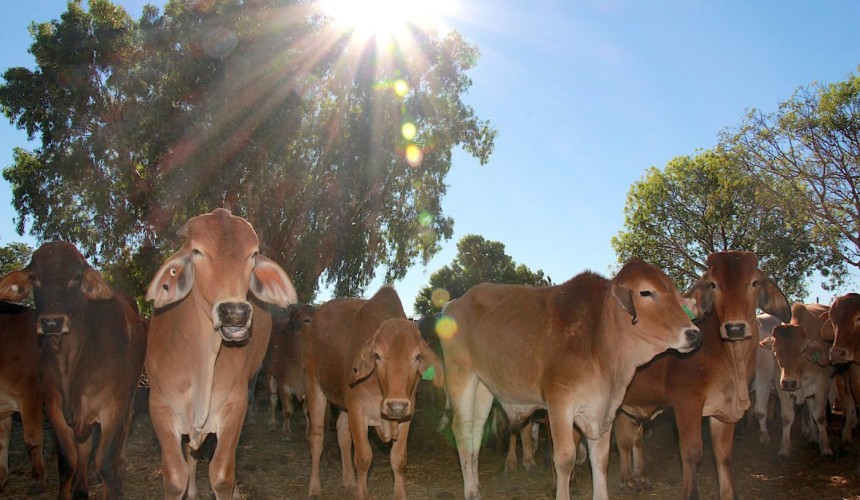
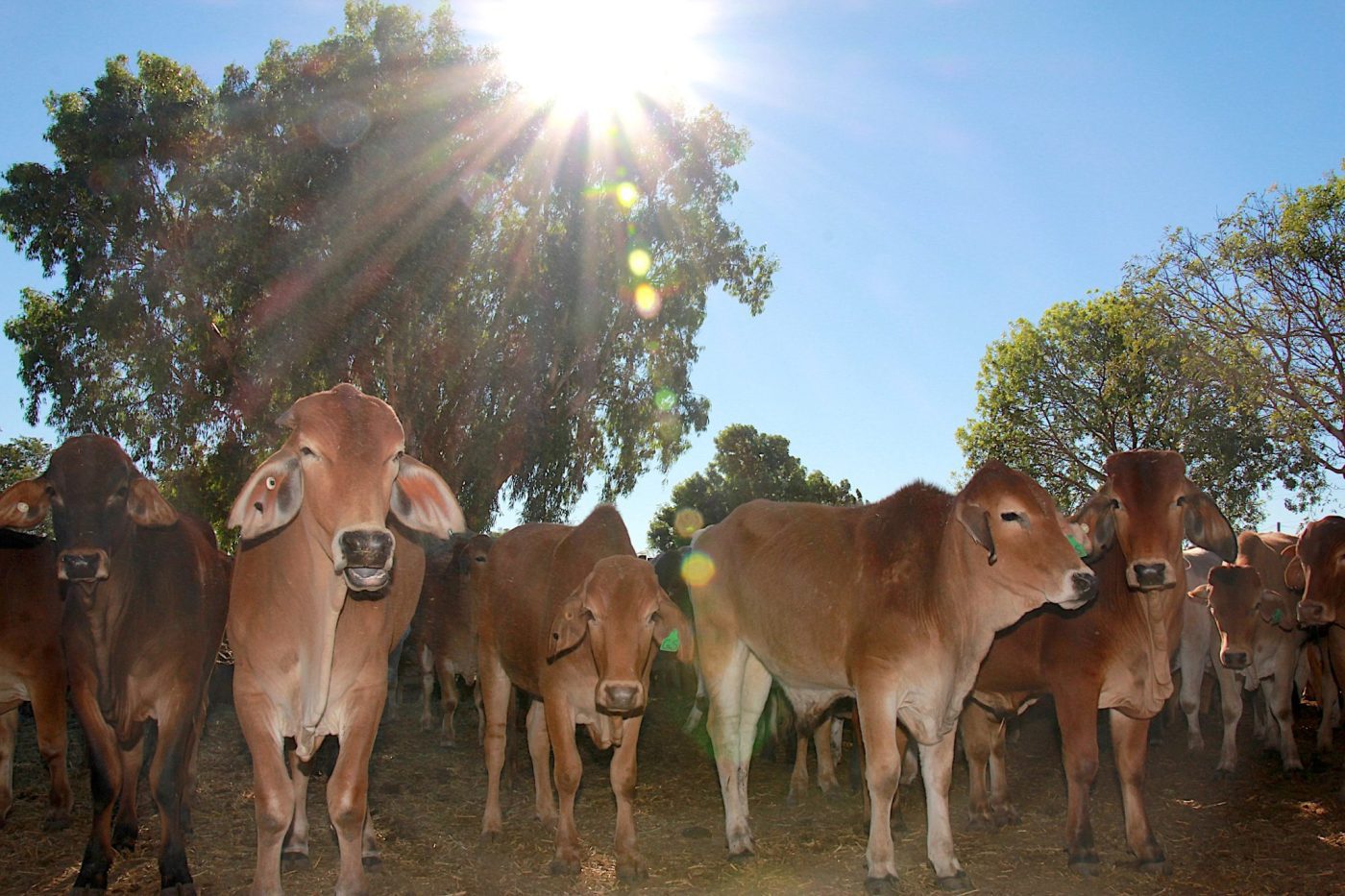
Live export steers in North Queensland.
THE legal team representing northern cattle industry businesses impacted by the Gillard Government’s June 2011 suspension of cattle exports to Indonesia has lodged an appeal in the long-running class action after a judge ruled no additional cattle would have been exported to Indonesia in 2012 and 2013.
In October 2014, a class action was filed against the Commonwealth Government seeking compensation for the financial losses suffered.
The applicants argued that the ban constituted “misfeasance in public office” because Minister Ludwig made that decision knowing full well that he did not believe it was necessary.
In a historic 2020 ruling the Federal Court Justice Steven Rares found that the suspension had an “act of misfeasance”, establishing the principal that the Government had acted illegally in imposing the 2011 export suspension.
 In his original decision Justice Rares concluded that at least 88,000 cattle would have been exported if not for the ban.
While taking some solace from the finding the Government acted illegally, the industry argued the ruling that only 88,000 additional cattle would have been exported did not account for the additional impact of Indonesia’s ‘retaliation’ against Australia for the ban, which limited import orders from Australia for several years after the shock market suspension.
Legal representatives for the cattle sector argued that had the ban not occurred Australia would have exported 800,000 more cattle, and called on the Federal Government to pay close to $1 billion in damages.
Instead the Albanese Government last year offered to pay a total of $215 million settle the case, which the industry rejected as “contemptuous” of the financial and emotional harm wrought on northern producers and the whole beef supply chain.
In June this year another Federal Court judge , Justice Thawley, delivered a blow to plaintiffs in the long-running class action, stating that the 88,000 head figure stated in the initial Justice Rares’ ruling was the appropriate number upon which to determine damages payable.
That finding significantly diminishes the damages payable by the Government to industry for its illegal 2011 suspension.
Beef Central understands that after analysing Justice Thawley’s June 2025 decision, the industry has now filed an appeal in the Federal Court challenging his finding that 2012 and 2013 export volumes would have been lower than the industry has stated.
Northern Territory Cattlemen’s Association CEO Romy Carey said the 2011 ban caused years of disruption, not just months, and “that reality needs to be recognised”.
“On counsel’s advice, and with the class advisory committee’s full support, we have lodged an appeal to correct the underestimation of losses in 2012 and 2013.”
“This was an unlawful decision with consequences that still echo through our industry. Those impacted deserve a fair and accurate assessment of their losses, nothing less.”
Ms Carey said the appeal seeks to establish that former Minister Joe Ludwig’s June 2011 suspension caused substantial and ongoing disruption to the trade beyond 2011, with significant economic and operational consequences in 2012 and 2013.
The appeal will be heard by a panel of three judges sitting as the Full Court of the Federal Court of Australia.
In the interim, the Court has ordered case-management steps to advance the broader proceeding, including determining costs and developing a framework to assess and resolve group members’ claims once the appeal is decided.
The hearing is expected to take place in March 2026.
That will take class action into a 12th year.
I hope this group fights to the end. we are beef producers who weren't in the direct firing line. but as an entire industry we were all affected. that surge of cattle from the north (which wasn't there fault) almost buckled the western australia industry let alone the impacts felt right across the country. we here alot of daily trump bashing in articles. where is the daily journalism on such a massive historical subject like this? how about the media puts the burners constantly on those involved. cheers Matthew Della Gola
The trade suspension absolutely pushed the Indo government to implement an hard quota and it wasn’t until they lost 25% of their West Java dairy herd in the ensuing 2 years that they lifted the quota. The Australians had proved to Indonesia that they were unreliable suppliers. The damage was done.
Moreover the trade suspension also triggered the decision to finally allow in IBM. (Indian Buffalo Meat) 4 years later in 2016
By 2022 FMD had returned to Indo after being free of it for 40 years. The strain is exactly the strain from India.
It won’t be proven of course but Let’s throw in those costs for the sake of it.
Banning export of cattle in 2011 not only applied to the loss of market for that year, as the industry is geared to and must plan for future export of cattle. The Banning export to Indonesia, meant that thousands of cattle bred for that market as reliable suppliers cost many producers their livelihood and ruined them financially.
The Judge was totally negligent of the result of his decision