
Industry groups in New South Wales have joined forces to call on the State Government to protect the state’s cattle tick free status.
NSW Farmers, together with Norco, the Australian Veterinary Association and RSPCA NSW, has called on the NSW Government to maintain the NSW Cattle Tick Program and its objective of eradicating cattle ticks that cross the border.
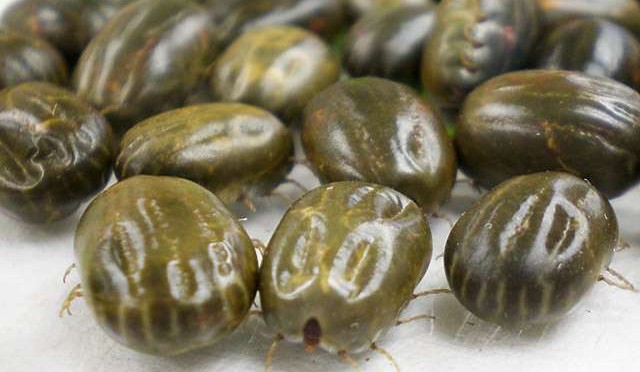
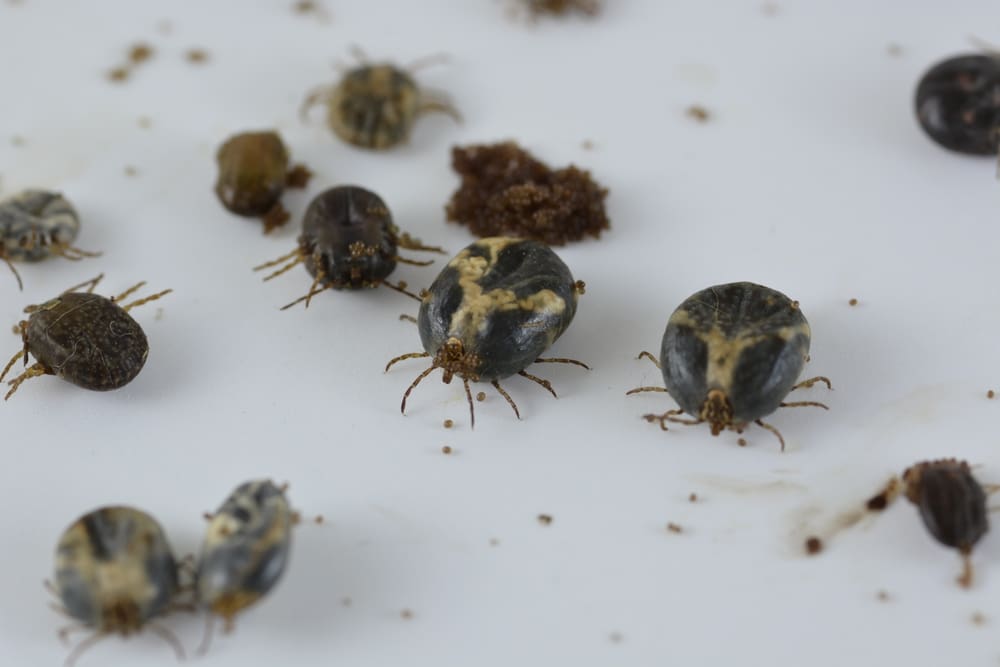
Cattle ticks were the most serious external parasite of cattle in Australia, estimated to cost the industry more than $160 million annually.
NSW Farmers President Xavier Martin said as an independent review of the state’s cattle tick program progressed, now was the time for industry to come together to ensure continued funding and operation of this vital biosecurity defence.
“Cattle ticks are a major threat to the health and welfare of our livestock, as well as our production, and our livelihoods,” Mr Martin said.
“Our state government must continue to deliver and prioritise surveillance, treatment, compliance and producer engagement programs if they are truly serious about eliminating this pest.”
RSPCA NSW CEO Steve Coleman said the maintenance of the state’s cattle tick program was good for animal welfare.
“RSPCA NSW is dedicated to protecting animals, but the state government must also play its part in keeping NSW free of cattle ticks,” Mr Coleman said.
“Cattle ticks, and tick fever can seriously impact the welfare of an animal, which is why all available resources must be used to keep these parasites out of NSW.”
The Australian Veterinarian Association backed these calls to keep NSW cattle tick free, with vets warning of the animal health impacts of cattle ticks and tick fever cases.
“When it comes to this pest, there is no halfway solution. As frontline responders, Australia’s vets call on the NSW Government to commit to full implementation of this critically important eradication program,” AVA spokesperson Dr Stacey Rae said.
“We can’t compromise on animal health, and maintaining our tick free status must be a top priority.”
100 per cent farmer-owned dairy cooperative Norco said industry was joining together to safeguard the future of livestock, producers and the agricultural sector.
“Keeping cattle ticks out of NSW keeps our dairy industry thriving and able to supply fresh milk to Aussie families, day in, day out,” Norco Chairman Michael Jeffery said.
“Cattle ticks can and do have significant impacts on NSW’s dairy and beef cattle industry, we need to strengthen the states protections, not reduce them. Reduced availability of our farmers products and increased prices to consumers are the likely outcomes of any change in government policy that results in the spread of cattle ticks in NSW.”
Because of the changes to the Qld tick legislation in 2016 it has put the clean area in Qld at a much higher risk,which in turn has put all other tick free area's at risk.
The heightened risk is due to a few factors in which we changed from a buffer zone model,along the tick line and around outbreaks managed completely by the DPI,who scratched and dipped all cattle through registered dips.
To now having a model that is in some places a single fence line,with no buffer zone in the high risk area. We have gone completely to 3rd party scratching.of which you can get accredited and scratch yourself,and all you have to do is use a backliner to cross the tick line.
Because of this,there are numerous outbreaks within the clean area.
So in short there is a breakdown in the management of the tick line in Qld.Because of this there is an extremely heightened chance of an outbreak,from cattle coming from the clean area.
So property managers should include cattle tick in their biosecurity plans even when buying from clean areas.
There are many 3rd party scratchers doing an extremely good job,and the tick management to feedlots (with a visual and a chemical treatment)is working well and minimizing risk.
But we need to regain control of the cattle movements from the high risk areas to a much better system than what we currently have.
Cattle ticks are now endemic in NSW. Why is it not the cattle owner’s responsibility to eradicate ticks on their cattle because they have neglected control. Ticks have been transported into NSW because of poor border supervision . Now the government $ is best put to work by employing more local stock inspectors to educate farmers in tick control and subsidising tick fever vaccines