


Julie Collins speaking at the ag productivity roundtable.
MORE than 50 agriculture, government, industry and union organisations came together this week to discuss productivity in the agricultural sector, with the view informing an economy-wide roundtable later this month.
Several livestock industry groups were on the invite list, including the Australian Agricultural Company, JBS, Teys, The Australian Meat Industry Council, Cattle Australia, The Australian Live Exporters’ Council, Australian Lot Feeders’ Association, Goat industry Council and Sheep Producers Australia.
Agriculture Minister Julie Collins said the meeting will be used to feed into the Government’s Economic Reform Roundtable later this month, highlighting the key role that agriculture plays in Australia’s economy.
“Today’s roundtable was an important opportunity to reaffirm the Albanese Labor Government’s strong commitment to putting agricultural productivity front and centre,” Minister Collins said.
“We know that improving our agricultural productivity is good for our farmers, our regional communities, our national economy, and our trading relationships.
“That is why we continue to collaborate with our farmers and producers on ways we can enhance productivity, support economic growth, and address the challenges and opportunities in our agricultural sector.
“There were a number of constructive discussions today, and I want to thank leaders from across our agriculture, fisheries and forestry sectors for their contribution.”
Labor’s roundtable disingenuous, Littleproud
Nationals leader David Littleproud has labelled the roundtable disingenuous, saying that there are clear policies needing to be put in place to help the agriculture sector.
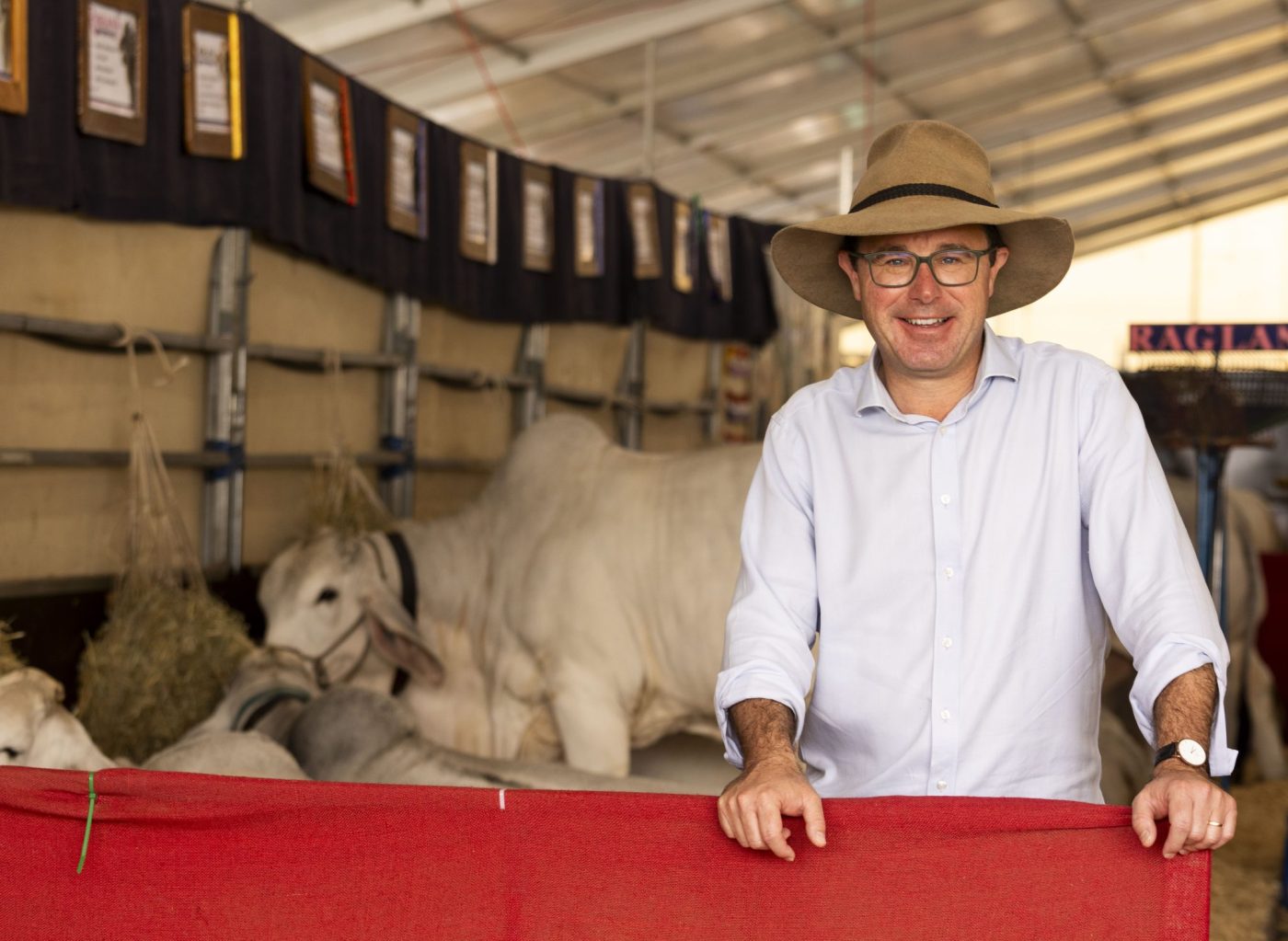
David Littleproud
“Labor’s agriculture roundtable today is disingenuous, without any outcomes, just a statement of platitudes from the Minister about how important agriculture is,” Mr Littleproud said.
“The roundtable is supposed to be about increasing productivity, but the only productivity that has been given in agriculture since the election has been to US beef producers, and making it easier for them to import their beef into Australia, so Prime Minister Anthony Albanese can obtain a meeting with US President Donald Trump.
“If Labor really wants to protect and help our farmers, they should be proudly releasing their agenda and their outcomes and be transparent about the process.
“But Labor doesn’t want accountability because it knows their policies are hurting the agriculture sector. They have done nothing for productivity in agriculture and they know it.”
Mr Littleproud added he would have been prepared to work in a bipartisan way with Labor at the roundtable but wasn’t invited as Shadow Agriculture Minister.
“Productivity is going backwards. Farmers are struggling and selling their farms, and when supply goes down, prices go up. The best Labor could offer today was ‘constructive discussions’, which means no goals, no outcomes and no opportunity. Farmers don’t want another talkfest, they want policies that will actually help productivity.”
NFF takes six priorities
One group that appeared to be on the list of invitees to the roundtable was the National Farmers’ Federation, who outlined six key priorities this morning:
- Taxation: Ensuring taxation arrangements support the growth and resilience of modern agricultural businesses, encourage productivity-enhancing investments by expanding – and making permanent – the Instant Asset Write-Off, and maintaining the taxation treatment of trusts and superannuation.
- Competition: Extending unfair trading protections to small businesses, implementing ACCC supermarket inquiry recommendations, and securing a long-overdue right to repair for agricultural machinery.
- Research & Development: Boosting public investment in high-return R&D, streamlining AgVet chemical regulation, and supporting innovation from lab to paddock.
- Trade: Enhancing market access in Southeast Asia, pursuing FTAs with the Gulf Cooperation Council, EU and India, and tackling trade-inhibiting non-tariff barriers.
- Infrastructure: Reinstating the Roads of Strategic Importance program, reforming the National Performance Based Standards scheme to improve approval processes, and upgrading critical rail freight corridors.
- Reduce red tape: Driving a national deregulation agenda through evidence-based review of the cumulative burden of federal, state and territory regulation, and simplifying industrial relations laws.
Mr Jochinke said these reforms were not just about boosting farm productivity, they’re about strengthening the national economy.
“Agriculture contributes around $90 billion to the economy and supports 275,000 jobs. But it’s more than numbers – agriculture is the backbone of regional Australia and it’s the sector all Australians rely on every single day,” he said.