
Image: Shutterstock
Country Australians have just a few days left to have their say on a Federal Government proposal to reduce speed limits on rural and regional roads.
The Federal Department of Transport is seeking feedback on a proposed reduction of the speed limit on roads outside of built-up areas where there are no sign-posted speed limits.
A consultation paper released in conjunction with the review suggests speed limits could be reduced to 80km/h on sealed roads and 70km/h on unsealed roads.
The Department says the move is being considered as a measure to help improve safety, stating that the risk of being killed on a regional or remote road is 11 times higher compared to a road in a major city.
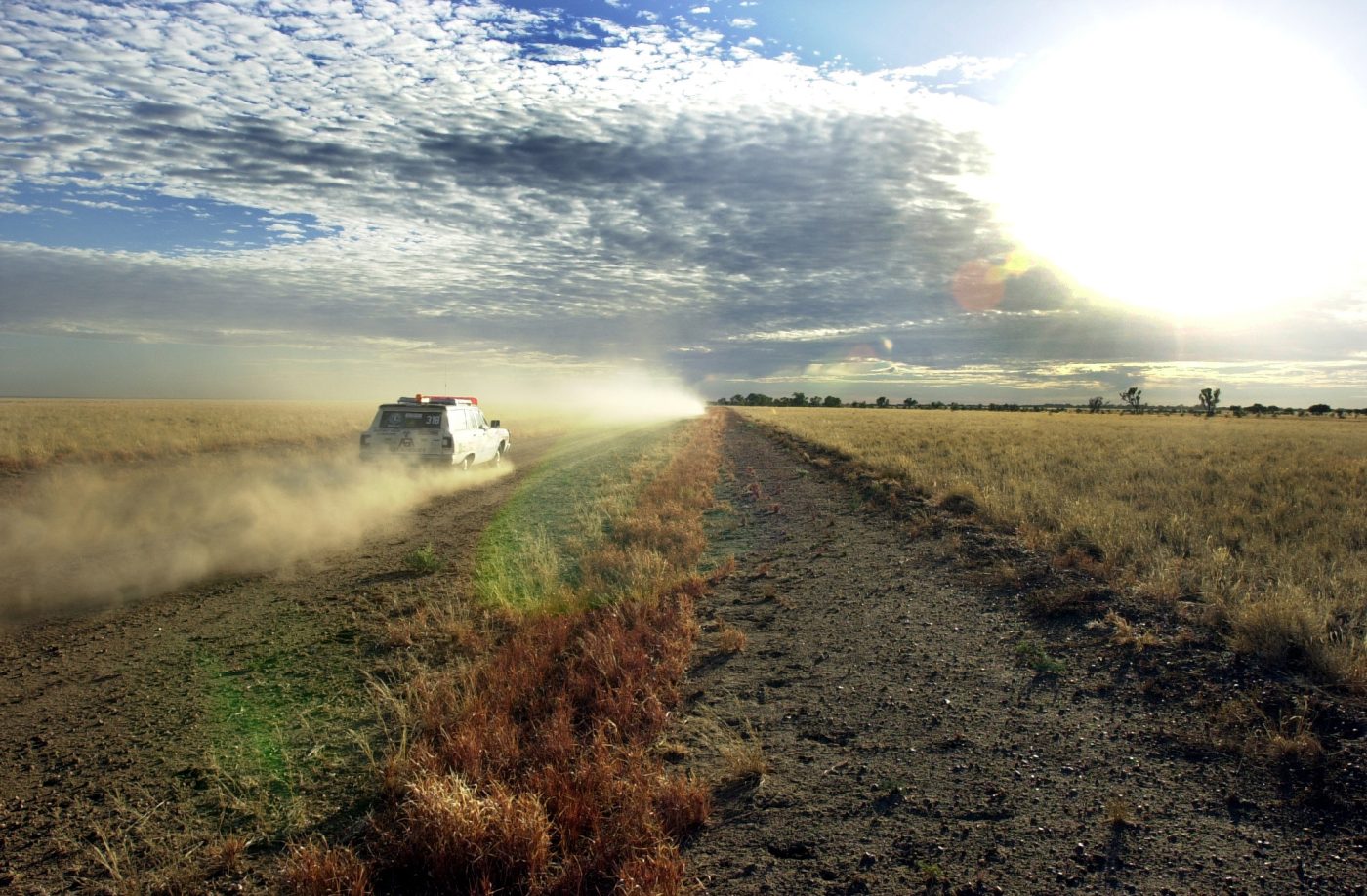
Default speed limits on roads outside of built-up areas could be reduced. Image: Department of Infrastructure, Transport, Regional Development, Communications, Sport and the Arts
It said that in 2024 there were 1294 people killed on Australian roads and more than 30,000 people seriously injured, with speed a major factor in serious and fatal traffic crashes.
“Your feedback will inform updates to the Australian Road Rules for sealed and unsealed roads outside of built-up areas, which can be considered by state and territory governments,” the Department’s consultation page states.
The proposal is to change the “model Australian Road Rules” which form the basis of road rules in each Australian State and Territory.
The Australian Road Rules state that the default speed limit on roads outside of built-up areas is 100km/h.
The Department says some roads outside of built-up areas, especially in regional and remote areas, may not be safe to travel on at 100km/h.
“Many of Australia’s regional and remote roads are not sealed, and may be dirt or gravel tracks.
“Other roads may have sealed surfaces, but may be in poor condition, or lacking the road features that would enable safe travel at high speeds.
“Travelling at up to 100km/h on roads such as these may not be safe and will increase the risk of crashes, death and serious injuries. Reducing travel speed on these roads can help prevent the tragedy of road crashes, injuries and deaths, by setting a speed limit that is safe for drivers and people using the road.”
It says the Regulatory Impact Analysis currently underway will consider the options, costs and benefits for lowering the current default speed limit in the Australian Road Rules, and introducing a new default speed limit specifically for unsealed roads.
Littleproud slams “lazy Government”
Federal Nationals Leader David Littleproud, speaking to Regional Sky News from Goondiwindi this morning, slammed the proposal as “lazy Government”.
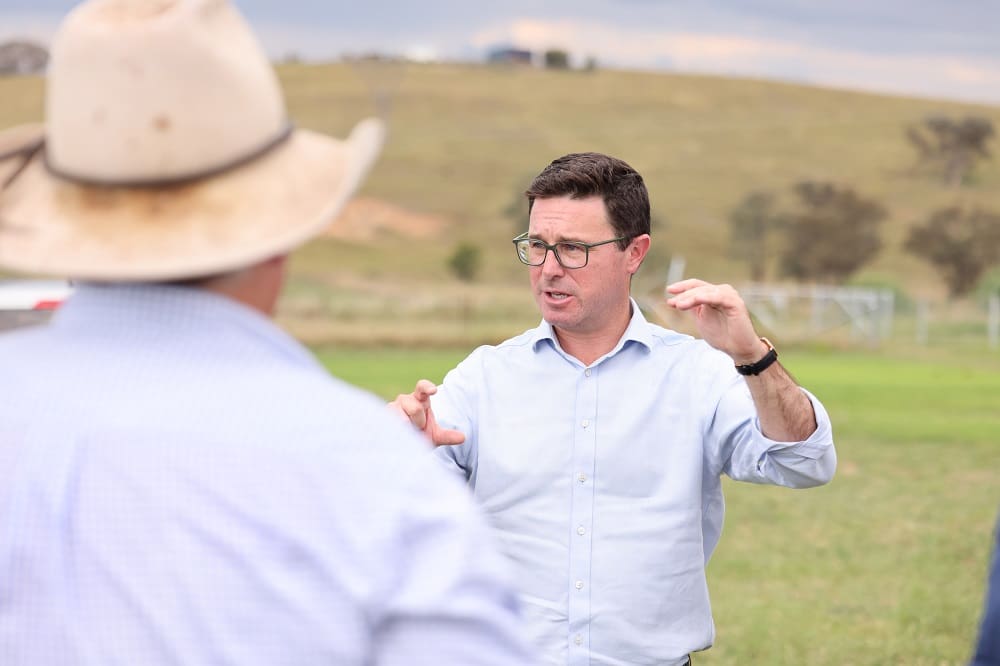
David Littleproud
“Regional Australia have lost over $3300 a kilometre in federal funding to maintain our roads, our national highways.
“And just west of here, instead of fixing the road between Goondiwindi and St George, they’ve simply put permanent signs up to say, ‘Rough surface, slow down’.
“So the next step is, because if people aren’t slowing down, they’re going to reduce the speed limit. This is lazy government.
“This is about saying regional Australia doesn’t matter and that we’re not going to fix your roads, we’re going to let them crumble and you’re just going to have to drive slower.
“Technology in our vehicles means that we can drive safer at the speed limit of 100km/h and potentially places above that.
“So why wouldn’t we use that technology? Because you know what that’s going to mean for you that live in capital cities is your food comes from this part of the world. And if we don’t have the materials that we need to get your product from a paddock to your plate, then you’re going to pay more.
“And this is just going to show that there are two classes of citizen in this country. We’re the forgotten Australians out here and they’ve not just put in people’s lives but they’re actually also tearing up our economy of who’s generating the wealth in this country.”
The window for public feedback closes this coming Monday, October 27.
For more information or to have your say on the Department website click here.
Dropping the speed limit will not stop deaths on any roads. All this will do is make more people more impatient on our roads and cause more accidents because everyone will be in more of a hurry to get where theyaregoing. Fix the roads !! Do what you where put in office to do to look after people and listen to them really listen to Australian people.
The best limit is NO Speed Limit.
I have extensively travelled throughout Australia via major roads both sealed and unsealed, minor dirt roads and tracks.
People should be allowed drive at speeds that suit the road conditions and also their ability.
I have a on dirt road quite comfortably and safe at 100klm and at another time on the same road 60-70 klm.
Everyone is different some people maybe concentrating while driving at a certain speed whereas someone else may not be as thet are concentrating at a .uch slower speed.
100kph is not too fast for the speed limit on country roads. There are rarely other vehicles on these roads and the distances can be extreme. If these limits are lowered then trips will take much longer with driver fatigue causing more accidents.
When the conditions call for slower speeds we as drivers are qualified to adapt and limit the speed ourselves.
Please stop interfering in our freedom to make our own choices, especially when it could cause more harm than good.
City stupidity trying to change country common sense.
Fix the roads not the people the people can manage themselves. The government is responsible to fix the roads
Mindless suggestion to fix unrelated problems. Reducing rural speed limits will cause more problems than it can solve.
On rural roads the majority of people use the 80 percent rule which is the common sense approach and needs to continue
l don't believe lowering speed limits will change the death toll. Those inclined to break the rules will do so regardless of the speed limit. This will only penalise rural people who already have the disadvantage of distance, especially those regularly travelling to Perth for medical appointments. It is totally unrealistic to expect zero road deaths by ANY year. As long as we're on the roads there will be a death toll. Madness and discriminatory!
Instead of lowering speed limits on country roads , why don't you repair them instead. This change will be implemented by city people on whom the change will have no impact, but for country people who have driven these roads all their lives it will have in some circumstances a big impact. Country people drive these roads sensibly varying our speed to suit the conditions all the time. Leave the speed limits alone! On the practical side of this change , who is going to police the speed limits out on the isolated gravel and dirt roads?
What a ridiculous idea. Where is the evidence that lowering the rural speed limits to less than 100 kph will reduce the number of accidents. The fatality rates will NEVER be reduced to zero as long as humans are involved. Instead make getting a licence harder, more skills training, build better roads. ALL it is is revenue raising which is not used for building better roads. "Lazy governments".
I was born in country NSW and now 78 , I was taught to drive to the local conditions & knowledge of the areas . If in doubt , lower my speed to suit . It is Dumb to expect citizens to drive at these suggested limits and see the Legislative changes as Just Another way for authorities to Grab Citizens Dollars .
Whatever happened to Education ?
My answer is NO to lower limits . We are Not city drivers all the time , it seems to be city living folk who drive Inappropriately .
. A lower speed limit will make it unafordable and very difficult to deliver our produce on time . It would be better to maintain our roads to allow safer travel . I am sure that city travellers would be upset if speed limits were reduced by 10 klm in the city . The road network was built from scratch or dirt once . Surely it would be cheaper to maitain than to build from scratch . Statistics suggest that road deaths are reducing each year , just do what country people do , apropriate maintenance and maintain the roads to world standard like you keep saying we are a world class country
Every death and injury on or roads is a tragedy BUT we should be celebrating not navel gazing.
In 1969 in Victoria 1034 people died on this state's roads - Victoria's population was 3.3 million.
In 2025 the population of Victoria is 7.115 million. In 2024 Victoria's road deaths were 281.
Better and safer cars combined with better driver education has been a wonderful result, but if you simply suggest that lowering the speed limit is the holy grail of road safety you miss the problem: in all human activities there is some danger - eating a pie you can choke and people HAVE died so lets stop eating pies lets go further lets stop eating, safety first, a balance between activities and safety but a mandated reduction on speed limits is not the answer. perhaps having a man walking in front of all cars with a red flag, it was a good idea 100 years ago, lets move ahead and praise the results we have achieved and be proactive, not regressive, we do live 2025.
Fix the roads before the country comes to a standstill
This is absolutely absurd. I see no reason for this other than being blatant revenue raising.
Fix the roads.
Driver education needs to be strengthened.
This is more that likely coming from some one that has been elected into a position with no knowledge of country driving or just plan old common sense.
Higher numbers of road accidents happen on regional roads due to poor road maintenance. Regional roads are not maintained as well as city and town roads. Reducing the road speed limit is just letting off the government from their responsibility to provide adequate safe roads. Regional areas provide much of the taxes that the government receives for vehicle registration costs and petrol tax and are entitled to the same standard of road conditions that built up areas receive. Lowering the speed limit in regional areas is a cop out for government bodies to blame speed instead of the road condition
It takes us 3 hours to get to Tibooburra driving 100km/h. 6 to Broken Hill. If anything there should just be better road conditions to drive on. We have to drive on dirt for 3 hours. How can we spent that time doing half the speed, with 3 screaming kids in the back wanting to get lunch at the Tibooburra shop?
I’d suggest spending more time and money from the government that we pay our tax through to fix up all the roads. They are slowly being worked on but have been since I started my job (in July) and it’s now end of October. Do better.
We do not want to rush our kids around but we do want them to get to the shop in decent time so we can catch the supermarkets before we get to Broken Hill. This will mean that we have to get them up earlier, mad and cranky.
On badly corrugated roads you need to keep speed up to 80 kms or 90kms with reduced tyre pressure or your car will just not sustain the continual corrugated wear. Repair the roads would be the answer after the onslaught of floods. All dirt roads when I was in the States are well maintained, Australia only funds roads east of the blue mountains and urban usage.
This is disgraceful. A 1,372.4 km trip from Sydney to Adelaide already takes 16 hours with two stops for fuel.
The only danger I’ve seen when travelling those roads are pot holes and surface breakage from either rain or heavy vehicles - ultimately the responsibility of government.
On one trip to Adelaide at Tailem Bend I had 3 tyres blow out because a massive hole in the Center lane was only filled with soil and kept washing out each time it was refilled (according to the two guys at the petrol station). This was confirmed by Roadside assistance who told me he had attended 7 blowouts that week.
I had to “limp”. my way to Adelaide very slowly which was absolutely dangerous!
LEAVE THE SPEED LIMIT AT 100 km. Quite frankly! 100 kph is TOO SLOW on motorways. Enforce road maintenance instead.
There is so much wrong with this it’s just impossible to understand how the idea is even plausible. This is just government stupidity at its best! Let’s keep developing new roads, tunnels for all the commuter in the cities who have access to public transport maybe have to travel 10-40km to get to work and forget those who are actually out building and feeding the nation. We average 200km a day to get to and from work and around our property. Reducing the speed limit, who’s going to police it? There is already a shortage of police, we don’t even have a 24hour police station. Our police are so over worked and under resourced.. Do you really think they are going to be wasting time driving hours around our rural roads looking for farmer who might be going 5-15km over the speed limit! If the road is that bad you can’t drive excessive speeds on it . It’s just not physically possible. The cost to the public and the use of taxpayer money to do survey and study, the cost of producing and replacing signs, and the wages to go with it all, is just another big waste of money that could actually be put back into fixing something. Time the government had a real shake up, and put people in there with actually common sense!!! What a joke!
We live far enough away from everything , it already takes so long to get to places , punishing us with a lower speed limit isn’t the answer ,
We should be increasing the speed limit to some areas to 110 km !!! Not reducing them !!!
If the council and government actually gave us money and employed ppl with an actual brain who fixed our rds properly from the start , then there would never be accidents
With our farmers there is no food , with out food we all literally die ! Don’t punish us with slow speed limits , we already put up with enough .
We see politicians using a plane to fly from Hervey Bay to Bundaberg to save time. The public don't have that luxury. Fix the roads so we can do 100 kph or above as other developed countries have. Australia politicians doesn't fix problems and really need to come and travel in our vast country and see the ramifications of dropping the speed limit.
People who reside outside SE corner are entitled to same benefits as those within the SE.
Fix the roads.
If major connection roads were of the same standard as those within 100k of Brisbane this issue wouldn’t even be spoken about.
No doubt those putting forward this proposal wouldn’t be so keen if speed limits to north and south coast were reduced to 70k/ hour.
The study didn't have adequate km traveled data to work out WHY it's useful to reduce speed limits. i.e how many crashes happened because someone ignored the limit anyway.
If it increases travel time on long trips, the increased fatigue and reduced stimulation of driving too slowly are likely to increase fatality crashes. This hasn't been commented on as far as I can see.
Reduced speed limits will only cause more frustration on regional and rural roads. We live in CWO REZ and the majority of renewable infrastructure will be carted from Port of Newcastle to the REZ and along these roads. They should be upgraded and fixed to take all this additional traffic - so cars can drive more than red p plater speed. Fix the roads. Also renewable energy providers should be chipping in to pay for the required upgrades.
Regional people are the back bone of our economy
We are already treated like second class citizens in regard's to health and other services.
Due to our location we are required to travel long distances regularly for business, social and health reasons. It is just the way it is.
Our roads are in poor condition at best and are in need of immediate attention.
To force further speed restrictions on country roads puts us at another huge disadvantage, in preforming everyday tasks.
Rural people have had a lifetime of driving to the road conditions and not the speed limit.
I urge you not to force further restrictions on us.
Paul Oxbrow
Rupanyup
In addition to all the comments here, reducing the speed limit instead of maintaing roads will increase freight costs and drive the cost of living not only for rural and regional populations but also those in cities. Slower freight might also necessitate more trucks on the road. When will we get a Govt with the foresight to invest in the regions instead of just pillaging?
I would like to voice, my strong objection to lowering speed limits on roads. Reducing speed limits do not fix the road ,as a lot of gravel roads were once or partly bitumen anyway and it’s just the gradual process of bitumen turning into gravel, then turning into to dirt..Road dollars need to be invested into rural roads across Australia, as transport is a key component to Australia’s economy of getting goods delivered to and from people in all areas. Thanks for the opportunity to voice our concerns, regards Frank B.
please stop treating rural motorists like we don't really matter. governments responsibility is to keep roads safe and vehicle worthy.
The Government should fix our regional roads instead of lowering speed limits to compensate for their mismanagement.
This is a lazy cop out of a safety measure, rather than addressing the infrastructure requirements and obligations of the Government.
It is neglecting the needs of regional Victoria that has led to the utter degradation of the road system, and changing road speeds indicates the government has no intention of repairing the problem.
This shows bysmal management and insufficient allocation of resources, even though it is literally costing lives.
I’m a farmer in the Wimmera and find this “one size fits all” policy of the Feds on road trauma frustrating and not well researched. Country people drive long distances on poorly maintained and formed roads. A lack of proper funding for local government has meant the dollars for repairs is so stretched that road shoulder repair and proper patching cannot be kept to a proper engineering timetable.
A properly maintained gravel or a sealed country road is quite able to safely cater with speeds above 80-100km/h.
Country people are exposed to road risk because we drive further and for longer. Our family car puts on 30,000km a year without fail and we only live 15km outside a town of 2,500 people.
Better roads are the cure and not penalties. It’s frustrating to see huge expenditures on city public transport with state of the art trains and stations, while we are left with the craps in the budgets.
Our life’s are hard enough without making us spend countless extra hours in vehicles worried that a speed camera of a police car is watching. This move would also have the effect of breeding unwarranted resentment toward the police for upholding a “think tank” idea of dealing with road trauma.
Drop this nonsense and treat country people with respect. We are not cattle to be herded by academics or the bureaucracy into safe pens.
I have been driving in the bush for forty five years and have not experienced a road crash other than kangaroo hits. Put a speed limit on them perhaps.
Country people matter. The whole renewable industry is using country roads and putting enormous pressure on them. Governments need to budget to fix the roads like they used to. Not just leave them to go to ruin and then tell us to slow down. That is a joke. And a sign of a government that does not care about regions or agriculture. Trucks move nearly everything in this country. Slowing down this transport system will further increase cost of living. Everything gets to city shops via many regional roads.
Where is the government data to show how many deaths there are on non-signposted roads.
What is the percentage of fatal accidents on signposted V's non-signposted roads.
How many fatal accidents are drivers who are drug, alcohol or fatigue affected.
How many fatalities are city drivers not familiar with rural roads.
ALL of these questions should be answered before any implementation.
The concept or reducing speed limits on country roads is ridiculous. To compare the Australian mainland to Sweden or Tasmania shows the insular nature of pundits that suggest those regions are comparable to mainland Australia is like comparing a winding mountain road to the Strezlecki track. Terresa Senserrick of WA Centre for Road Safety Research and others who consider the same need to get out in the country and see how they go having to travel 500 ks on dirt roads to pick up the groceries. The distances we all have to travel in country Australia are far too great for a speed limit reduction. It demonstrates absolute ignorance to the reality of Australians who have to live in work in country Australia.
Thousands of extra heavt truck movements hauling materials and renewable energy compontentry in the deployment and construction of wind turbines, towers, blades,solar panels, mega-batteries, interconnecting roads, HV transmission towers, and HV transmission lines is a major contributing factor in causing damage to regional and rural roads. It;s not good enough to expect rural Australians to be further impacted by the 'green energy' transition by having to slow down just because renewable energy developers are wrecking our roads. They are the ones wrecking rural roads and they should be contriburing to fix them.
To whom it may concern,
I am writing in response to the Federal Government’s review of regional speed limits which proposes reductions to 80 km/h on sealed roads and 70 km/h on unsealed roads.
While safety on rural roads is important this proposal fails to address the underlying causes of road deterioration in regional Australia. Heavy road transport driven by large-scale operations such as RUIN-A-BULLS and the Predatory Transgrid Interconnector projects is severely damaging sealed and unsealed roads at a rate far exceeding normal wear. Lowering speed limits may appear as a solution but it is purely reactive and does nothing to strengthen or maintain roads for long-term use.
The proposal also ignores the realities of rural travel and fatigue. Residents often travel long distances to access essential services such as healthcare, mental health support or basic necessities. For example a journey from Moulamein to Bendigo currently takes three hours. Under a 70 km/h speed limit this trip would extend to around four hours each way creating an eight-hour round trip. Such extended travel dramatically increases the risk of driver fatigue which is counterproductive to the safety goals of the review. Many rural people routinely face 120 km round trips to reach larger centres, distances that city-centric politicians appear to have little understanding of. In urban areas people can quickly reach a doctor or shop. In rural Australia long travel is unavoidable and must be factored into policy decisions.
This is a prime example of city-centric bureaucrats making decisions for rural people without understanding the daily realities of life outside metropolitan areas. Rural communities have had a gutful of bureaucratic overreach. Most of us just want to run our farms, live our lives, spend time with family, catch up with friends and perhaps make a modest living. We are responsible and safe drivers taking every care on our roads and we do not need unnecessary bureaucratic intrusion dictating our lives.
Rather than simply lowering speed limits a proactive approach is needed. Investment in road maintenance, reinforcement of vulnerable routes and regulation of high-impact transport activity are all essential. Without addressing the root causes regional communities will continue to face unsafe and degraded roads despite slower driving.
I urge the Federal Government to consider targeted infrastructure investment and road-strengthening measures alongside any speed limit changes ensuring rural roads are safe, durable and fit for purpose.
Thank you for considering this submission.
Annie Hare
Westlee Tullakool
Barham NSW 2732
Typical of lazy Governments. Make out you are doing something by penalising the 99.9% of people who are doing the right thing. Statistics thrown around by inept bureauocrats are only a small part of the story. And as usual there is no thought of the ramifications of Government/Bureauocrat stupidity. LEAVE US ALONE! Stop sifling us with your incompetence. Teach people responsibility instead of burdening those who are already responsible people. Our speed limits are too low already. Europeans are going OK with a lot higher speed limits than we have and it's a pleasure to drive on their roads.
The number of drug affected drivers has increased enormously over recent times but there has been no discussion about the link to car accidents. If the judiciary dished out real punishment we might see a reduction in incidents.
Why would government reduce speeds oncountry roads.
1 the local police will continuosly sit on the corner with a speed gun or tow their camera trailer into position and try to catch everyone who is trying to run their business efficiently .
2 suggest such a solution to a section of bad road surface in the city and it would be laughed out of town
3 Government should front up and GET THE ROADS FIXED instead of passing the argument from one tier to the other.
4 No more studies, no more feasability repoprts, no more stuffing about - Just Fix the bloody road.
Country people already have to buy more expensive vehicles, larger amounts of fuel and consumables , higher price tres , suspension etc. etc - the list goes on- now they want everyone in the bush to take 20% more time to get to the same place to do the same job as their city cousins - and the same on the way home. - Doesn't stop fatigue issues or anything else.
JUST - FIX THE ROADS
Let private contractors in with their team and make a road that will last.
This 80 kph speed limit is simply another revenue raiser.
This lazy & irresponsible attitude must stop.
Move up the pace in city reckless driving would produce much better humane results.
Beef Central's feedback correspondents nearly all object to the concept of reducing the default speed limit on sealed and unsealed roads outside built up areas as if it would have a significant negative impact on their lives. The article has failed to point out that the Department of Transport consultation highlights in Table 21 that the likely proportion of vehicle kilometres travelled on default roads for personal use is estimated at 5%, for business use 5% and for freight 3%. This means approximately 95% to 97% of travel is on posted speed limit roads where there is no intention to reduce speed limits. The problem with the default 100km/h speed limit is that it is an historic, one size fits all, low cost method adopted by state Transport Departments for setting the speed before use of many of these roads particularly those close to growing population centres, changed. Many of these roads are narrow, surrounded on verges by trees and shrubs and used as open space for pedestrians and cyclists for exercise and to enjoy rural landscapes and biodiversity. These ‘townies’ and sport club road users also have the right to be safe from the threats from vehicle collision, stone throw injury and dust inhalation. Local rural living and farming zone residents and farmers/contractors driving tractors should have the right to use their local roads without the threat of road rage and dangerous overtaking and passing driving behaviour associated with 100km/h default speeds as they go about their day to day lives. Land owners should also have the right to clean water and efficient solar panel energy production now being compromised by dust generation from high speed travel on unsealed roads. As well we as a community are all paying for the cost of road damage generated from the higher kinetic energy transfer damage to road surfaces from higher speed vehicles. And don’t forget the human health and psychological costs associated with collisions taking place on these roads, both with pedestrians, cyclists as well as vehicle occupants. The Consultation's Table 34 shows the average casualty cost per person for serious injury from a vehicle collision is $461,000. Cost will lower once default speed limits are reduced to minimise kinetic energy transfer and the damage it causes to the human body. Even the Department of Transport's Consultation paper recommendations for lower default road speed limits are insufficient to lower the collision kinetic energy transfer necessary to provide road safety equity for pedestrians, cyclists and wildlife sharing default 100km/h speed limit roads with vehicles.
My house on the mid north coast is next to a dirt road in very poor condition. The speed limit is 100km which most people try to observe, especially the motorcyclists and timber lorries. At times I fear that a vehicle will come flying into my home. The noise and dust can be unbearable. I would like a limit of 40km for a kilometre either side of a road that is close to a dwelling. There needs to be an upgrade of signs on dirt roads. At my insistence council did put up a sign saying "7km of narrow, dirt road" but no indication of an appropriate speed. Caravans and tourist in general have no idea how to handle the conditions, especially in the wet.
" I would like a limit of 40km for a kilometre either side of a road that is close to a dwelling. "
Yes, you could imagine the chaos of speed limits up and down, up and down between 100 and 40kph on roads all though the country..
Did the person who built your home not think there would be traffic?
The proposal to reduce speed limits on open roads because that’s where most fatal accidents occur is as logical as saying the vast majority of accidents are caused by people who haven’t consumed alcohol so anyone who’s caught driving while sober should be arrested. The speed limit proposal has probably come from the people who redesigned the BOM website.
The high accident rate for regional/rural roads might be attributed to fatigue rather than speed, because we are all exhausted from carrying lazy government. Uppa Littleproud.
The idea of reducing speed limits is ridiculous for this outside a metropolitan area. Living 9hrs away from the city, and you expect us to spend more time on those same unsafe roads you have chosen not to maintain. That's not thinking about our safety at all. Step up and repair these roads for all Australians and visitors, and don't just focus on those in metropolitan areas.
Reducing speed limits is the wrong answer. In Britain speed limits are higher than here but deaths per head of population are half of those in Australia. Why? because you have to be a much better driver in the UK to pass a driving test.
Our driving tests are too easy. For example, in Britain, you must put your handbrake on at a red stop sign. There are more roundabouts (safer) and fewer traffic lights . You must have good skid control to pass a test. Children are taught road safety at school by the police from age 9. And the list goes on and on from there.
Here in rural areas the local police watch you drive around the block and you get your licence and that is why they kill themselves more often: because they are lousy dangerous drivers.
Oh: and this software can not spell licence correctly.
Dr Paul Wilson BSc(Eng), MEng, PhD(Eng).
Of course people in regional areas have more road crashes - they have to spend so much more time on the road than anyone else! Need to go to the doctor - that's a three hour round trip; pick up the groceries - 2 hours; drive to boarding school to watch your kid's sport - 8 hours. Meanwhile someone in the city can do all these things and spend less than an hour on the road. So you start decreasing the speed rural people can travel on rural roads by 20% and keep them out there longer, then that exposes them to even more risk. Instead of spending 400 hours a year on the road they have to spend 500 hours with greater levels of fatigue. Then watch the fatality numbers go up (alongside the government Wally revenue).
It will make the road a lot worse it going to take a lot longer to get anywhere so that will bring on fatigue and then more people will speed it cost more to get anything to the bush as it will take longer too
Fix the road instead.
It is absolutely an insult to users in saying they are doing this for our safety. Why can't the government admit they have failed in road maintenance. Most country drivers travel at a speed to suit road conditions. Wake up Government and maintain the roads in good order !!!!
In rural areas, distances between towns, schools, farms, and services are already considerable. Dropping speed limits on roads that are well-maintained and safely navigable adds substantial extra drive time to already long trips. This not only affects productivity and fuel costs but also reduces the practicality of living and working in regional communities.
How about fixing the roads rather than waste money on a theoretical speed limit that will only be policed by Wally's anyway. Revenue raising and not a long term fix.
60km/hr in town and 100km/hr beyond. Kids will soon learn to cross the road or heaven forbid use the "jolly" zebra crossing. The other thing that happens apart from all the potholes etc is that they keep moving the 100km/hr signs further out of town resulting in the same trip taking longer and increasing driver fatigue. The township of Cambooya needs a pool but all we get is 70km signs and the 100km sign moves another kilometre west every 12 months. The day is fast approaching where the 25km trip to Drayton will all be in a 50km/hr zone. It might be time to get a scooter and a helmet of course. On second thoughts I might just run the gauntlet in the truckers cap. Wasn't the Inland Rail project meant to save all our road woes !!!.
Seriously any safety campaign that relies on signage alone has little chance of success. We all know what happened to poor old "Trumby". Regards Adrian
Tax payers provide you the money to perform certain duties that are at the core of government . One of those being the building and maintenance of roads . Kindly return your focus onto what you were elected for . A request to lower the speed limit is an admission of your failings as an elected body whose responsibility is to serve the people . Road deaths would decrease if they were properly maintained .
Road tax not going to roads. Roads in rural areas going to trash. Reducing speed limit is not going to help except drive up expense. Get back to spending the money raised for maintaining roads .. on maintaining roads.
This is unwanted and unwarranted over governance. People generally drive to the conditions of the road. Imposing restrictive speed limits will simply make life harder for rural people if they do adhere to the limits. Every trip will take longer.
As someone who lives and works in rural Australia, this proposal feels like another decision made without truly understanding regional life. Cutting country road speed limits isn’t the solution — it’s a bandaid that punishes rural communities instead of fixing the real issue: neglected roads. We rely on these routes for work, family, and business, and slower limits will only make us more isolated. Invest in safer, better roads — don’t just slow us down.
to much spent on ruinables and tied up doing road work for the long load access to get the roads fixed instead of bandaided
repeat vehicles have to be roadworthy
but roads arn't vehicleworthy We need to start billing GOVT for vehicle suspention damage by rough roads
remove all speed limits most people will always drive to conditions.its all just revenue raising
Our cars are required to be road worthy but our roads are not car worthy . Our governance has become a waste of space . Repair and maintain the roads to the highest standard . The nanny state is alive and well in Australia .Take out the garbage and let's have real authentic governance .
Fix the roads instead of penalising us with this preposterous proposal.
Government unwarranted interference again.
Instead of stumping up the funds to fix and improve roads they, as usual, take the step that will reduce productivity. This another nonsensical approach to a so-called problem. No one will adhere to these ludicrous rules, and the police don't have the recourses to oversee them anyway.
It's a cop out by government. More maintenance when and where needed would make an enormous difference. Traffic volumes are very low on western roads and a good sign on the roadside would be "Drive to road conditions". We are not stupid and this is all that is needed.
Another bureaucratic overkill.
Federal, State and Local Government need to prioritize maintenance on all regional roads as these roads are the lifeblood of the nation.
By restricting speed limits this will increase transport costs and almost certainly increase road accidents through frustration and inattention.
Bureaucrats need to get out and about and inspect these important transport corridors and become aware of the neglect of the nations road network.
I've just carted cattle along the Capricorn Highway from Gracemere to the Emerald turn off and that Highway is discussing, tearing your truck apart, so uncomfortable for the cattle you are carting. The Labor Government has been raking in mineral royalties and not spending a cent on the roads. It's not the speed that's a problem, but the surface of the road and very few passing lanes, causing drivers to take risks.
Thank you Beef Central, this is the first media I have seen on this topic that actually mentions an opportunity to have a formal say. When I first saw this topic come out, I thought surely it is not serious. I drive a considerable distance each year, on good and bad roads and actually think we have highways and B roads that should be 120k limits. We also have roads that are in poor state of repair, but first lesson of driving is drive to the conditions. The focus should be on driver education/training and investment in roads. The cost to the economy, the cost of doing business in regional areas will have an impact. A drop of 20k/hr may not seem much to some who drive around the city at 50k/hr to 60k/hr but to those of us who do regular runs of between 500k and 1000k a day the 20k/hr reduction makes a major impact.
Get rid of the vote grabbing crap they ALL deal out, and poor it into infrastructure in Australia like the roads! Sick and tired of all this pandering to the noisy minority that have nothing better to do !! Grrrrrrrrr
speed limits are already too confusing with speed limit signs so numerous and varied that they take attention away from alert driving practice. it would be madness to reduce the open road speed limit to 80 kph which would create frustration and tiredness. a typical city based idea from someone who obviously spends little time driving country roads.
More people and bigger trucks are using country roads every year, and hybrid and electric vehicles are far heavier than ICE ones. These factors are putting more strain on the entire road infrastructure that is receiving less and less of the fuel tax dollars.
There is absolutely no doubt that this neglect of maintenance and upgrading to meet requirements is making rural roads less safe. The answer is not to slow traffic but to improve the infrastructure. Time and distance are huge factors when long distances are involved and reduced speed limits will immediately add cost to transport and mileage charges, a double whammy to those who need to travel on the degrading roads.