
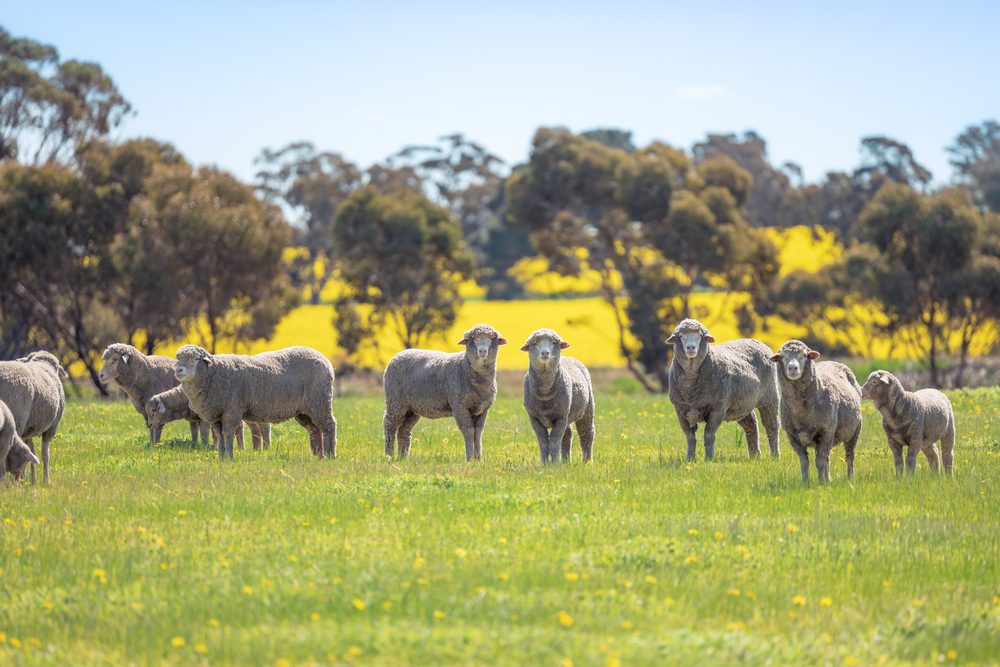
Sheep on a paddock near Perth. Image: Shutterstock.
A BIG question facing WA farmers is whether to “keep the sheep” now the live export trade, which has provided a key market for older sheep, wethers, and light lambs for more than 50 years, will no longer exist into the future.
One segment of the WA industry with a clear interest in seeing producers stay in sheep is the meat processing sector, which relies on a strong local flock to meet domestic and export demand for lamb and mutton.
On a recent trip to WA, Beef Central spoke with the head of one of WA’s largest sheep processors to get an update on how the sheep export ban has affected the outlook for future sheep supply in the state.
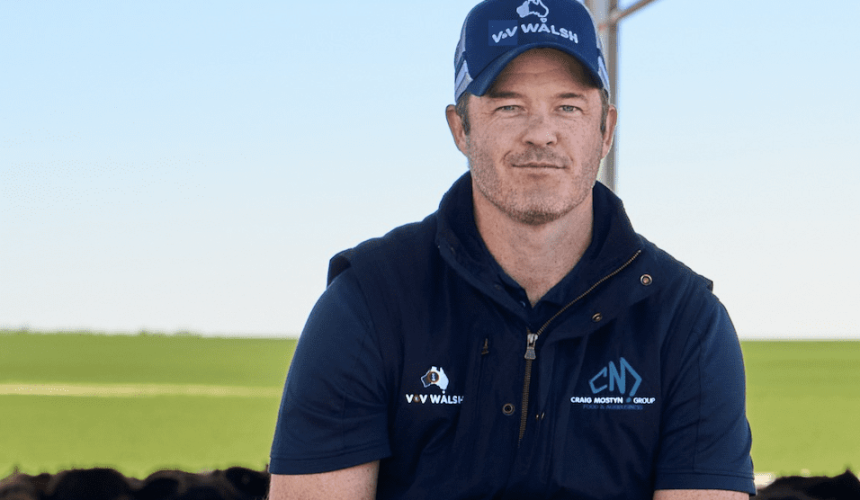
Brent Dancer is the general manager of V&V Walsh, which operates a dual-species plant at Bunbury about two hours south of Perth.
The plant processes about 1.2 million sheep a year and 80,000 cattle a year, supplying lamb, mutton and beef to supermarkets in WA and a mix of domestic and export customers.
Forecasts have suggested the WA sheep flock will decline following the loss of the long-term sheep export market as many farmers convert their enterprises entirely to cropping or replace sheep with cattle.
That view was exacerbated by the low prices for WA sheep that followed the live sheep ban announcement last year.
But Mr Dancer’s view is that with global demand for sheepmeat in boxed form only increasing, the long-term outlook for WA’s sheep industry is in fact much more positive than the headlines suggest.
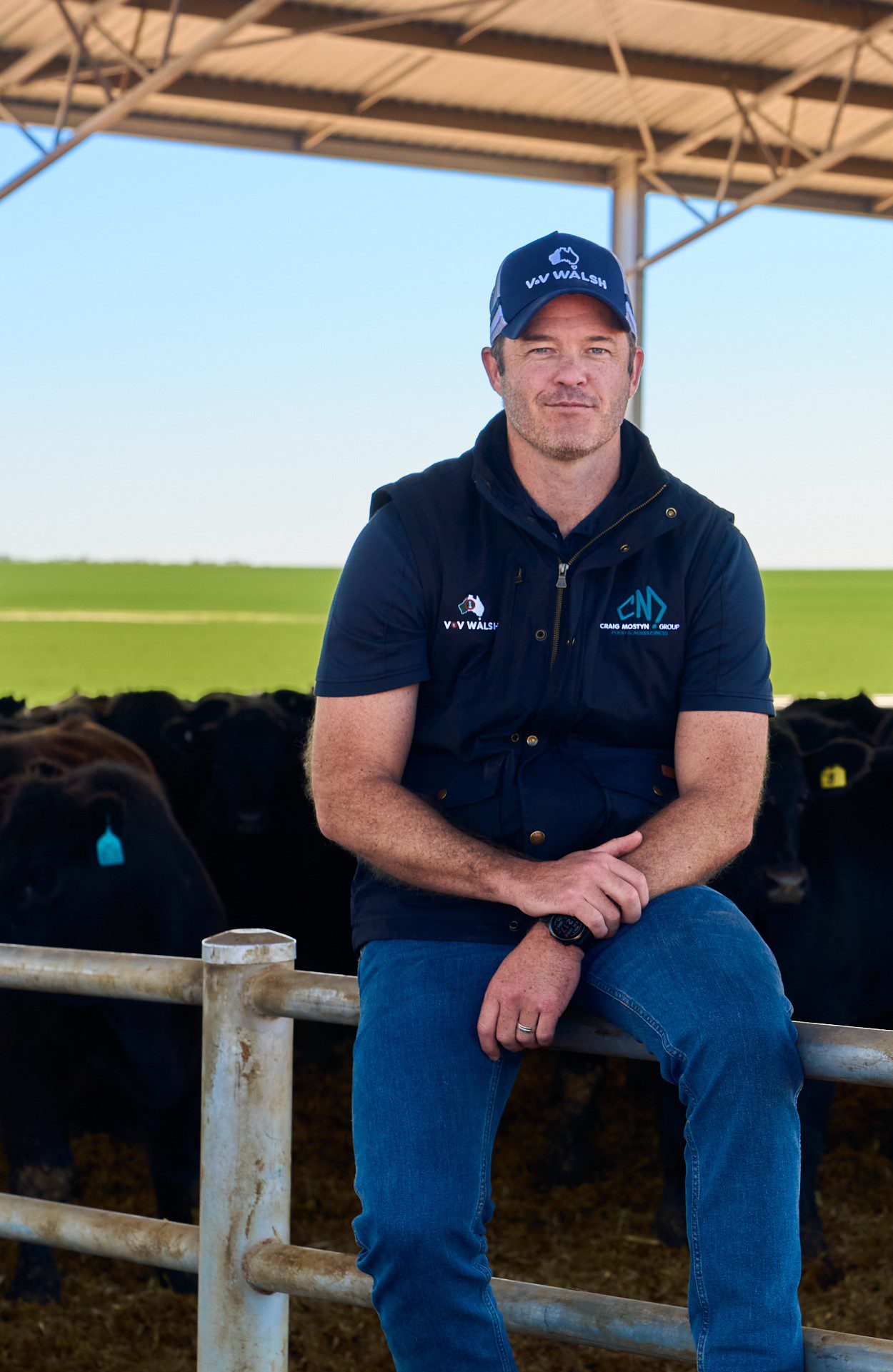
Brent Dancer, V&V Walsh
“There has been a lot of negativity but I am hoping that given what producers have seen in terms of the price recovery and the demand pull that is coming through that there is a longevity in sheep,” he said.
He noted that much of the destocking that occurred in the past year involved older age groups of mutton being pushed off farm simultaneously.
That huge oversupply “just drove the price too low for a period of time”, he said.
“Thankfully we have seen that correct now.
“We’ve seen record prices through spring here in WA and across the country, and that price is realistically forecast to hold for a period of time while restocking happens across the country.
“That restocking is currently impacting mutton availability, so we are processing a greater proportion of lamb than we would normally be, but it’s a hit we’re prepared to take because it will be beneficial in the long term.
“So I think there is huge positivity for producers in the market.
“The challenge is going to be finding markets and ensuring markets are willing to pay the price to keep that demand up. But that is our job as the processing sector to keep pushing that.
“The exit of live shipping won’t be the end of the industry, it is actually the beginning of a new phase.”
Mr Dancer said the WA processing sector was collectively gearing up to have the capacity to absorb the additional volume of stock that will no longer be exported live.
“The volume that was going out live in the last few years has been around half a million head.
“Across our four or five key processors we’re going to be able to absorb that pretty easily in the next few years.
“The demand for sheepmeat in boxed form is only growing right across the world, so do I see positivity in the sheep market moving forward? Absolutely.”
Longer fed market to China helping WA feedlot dynamics
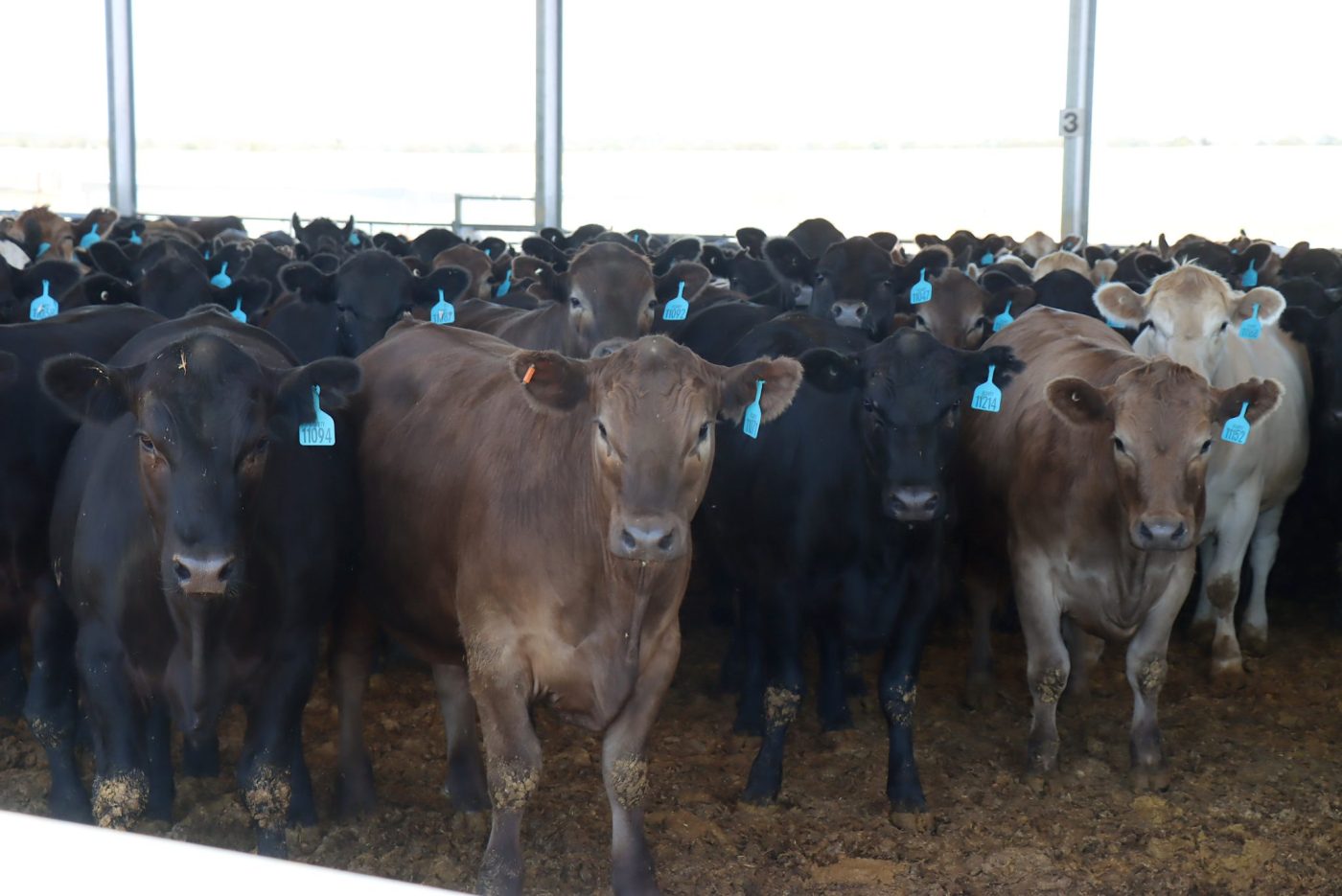
On the cattle front, Mr Dancer said a longer-fed beef program V&V Walsh has developed with a key customer in China over the past two years is proving critical in helping WA lot feeders manage cattle that fall outside supermarket grid specifications.
He said the partnership was deliberately developed to create a market for heavier-bodied cattle that were “slipping through” lot feeding programs designed around supermarket volumes and specifications.
“They (WA feedlots) are quite heavily focused on supermarkets and the volumes in the supermarkets, but we were having challenges where some of those bigger-bodied animals were falling outside the grids and being penalised, and there weren’t a lot of other homes in WA where they could place those animals,” he said.
“It was a key focus for us to try and find a program that would help some of our suppliers balance their systems as well.”
The program centres on frozen, longer-fed pure Black Angus cattle, with the Chinese customer taking the entire carcase.
The 100pc “natural fall” trade – meaning the customer purchases every component of the carcase rather than only premium cuts – has allowed V&V Walsh to create a stable, year-round outlet for WA Angus cattle that do not fit domestic supermarket grids.
Mr Dancer said demand from China for the program has been strong.
“The trade is going really well,” he said, just before departing for a two-week trip to China to work with the customer to refine and grow the program.
“They have been really happy with the product. They had a team come out from China in October, and we took them for a tour right through the process from the store cattle on the farm right through to the feedlots and the processing, and they were rapt with the final product.”
From a pricing standpoint, he said the program sits firmly in the premium tier of the market for Angus-type beef.
“Historically the premium markets were seen as more Korea and Japan, and obviously the US for certain parts. But being a complete natural fall job, they have been able to really do well in the Chinese market and be really consistent right through the last couple of years.”
Mr Dancer also pointed to the durability of Angus demand during the disrupted cattle market cycle of the past two years.
“The ability for the Angus brand and the work the Angus brand has done around the world… it has been probably one of the more stable markets and channels through this last couple of years,” he said.
On general cattle supply, he said WA processors are currently facing strong competition for numbers.
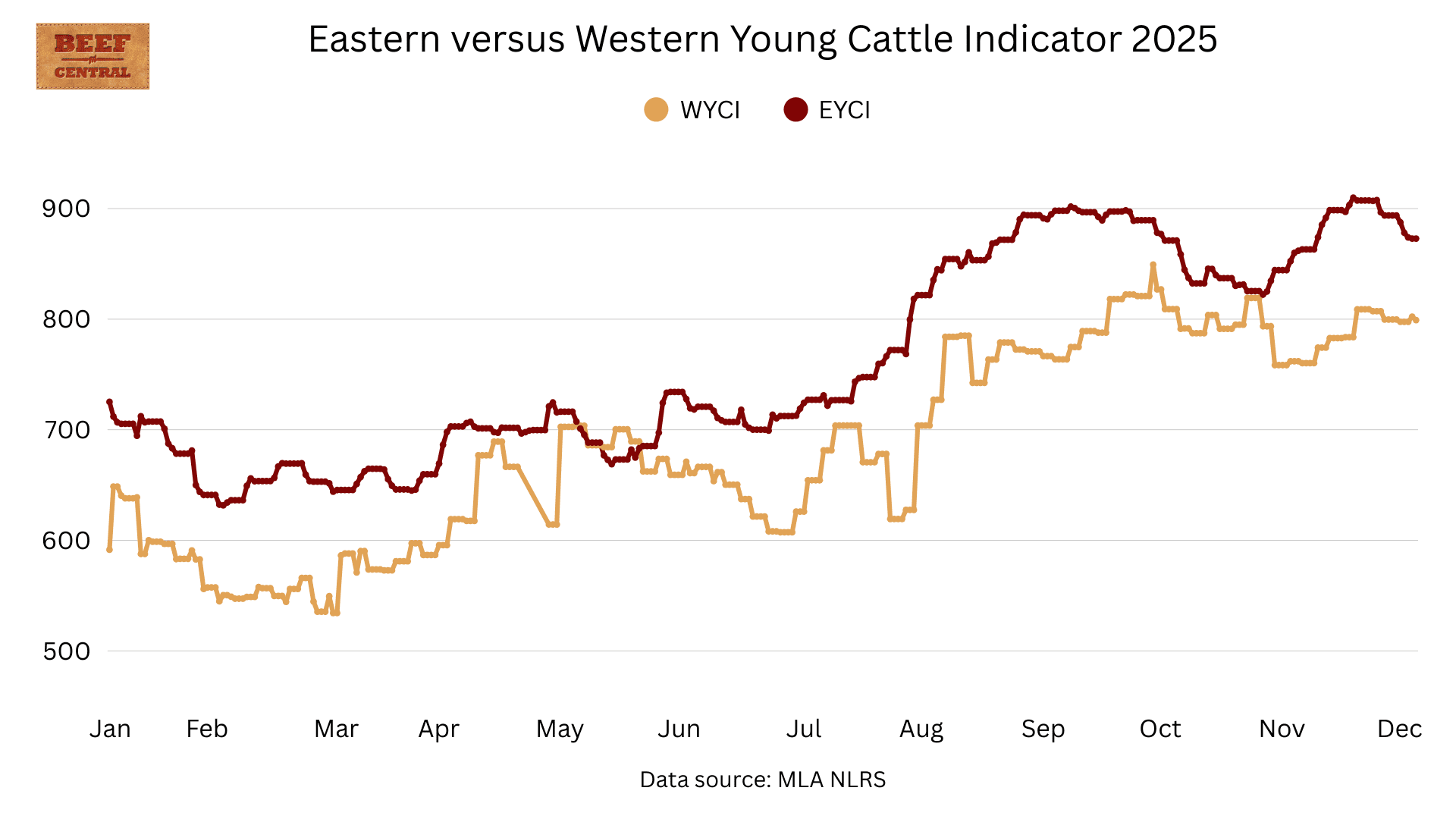
“I’d say it is competitive. We have certainly seen prices climbing similar to the eastern seaboard over the last 4,5 or 6 months.”
Improved feed availability following rain events and increased restocker interest were driving competition at the feeder and store level, he said, particularly for high-quality black-hided cattle.
“It is a good time for producers. The prices across both proteins, lamb and beef, we’re seeing high competition and tightening supply and certainly some stronger prices there from a supply perspective.”
WA pricing for similar cattle types was currently “quite similar” to the eastern states he said.
“Both sides are tracking pretty consistent. We’re seeing some pretty consistent supply challenges across the country and so therefore in-market we’re all on a pretty level playing field.”
I in no way support the banning of live export. but the sheep industry didn't just arrive at this point from descisions 12months ago. I know for a fact that v&v Walsh's biggest concern going forward for the investment they have made is supply. some brief high prices back to the producer won't fix decades of industry erosion. you might see a brief swing back to sheep with cropping loosing some shine. also the amount of infrastructure loss across major sheep growing areas plus the generation below me lacking the interest or potential skills to run sheep will see the flock increase in minimal terms compared to what the state has lost from even the early 2000s to now. lets not forget that if the perfect scenario for processors did eventuate what will they do with pricing? it will be fresh in many minds from as early as last year what people were doing with their unwanted sheep. cheers Matthew Della Gola