
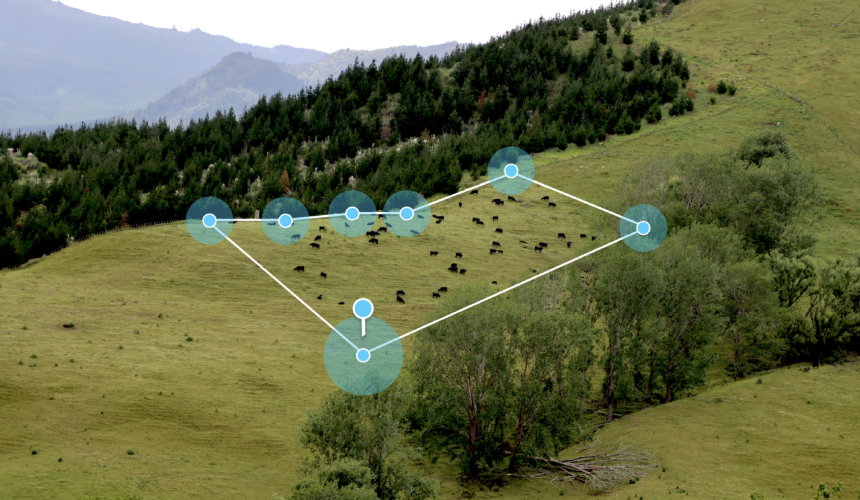
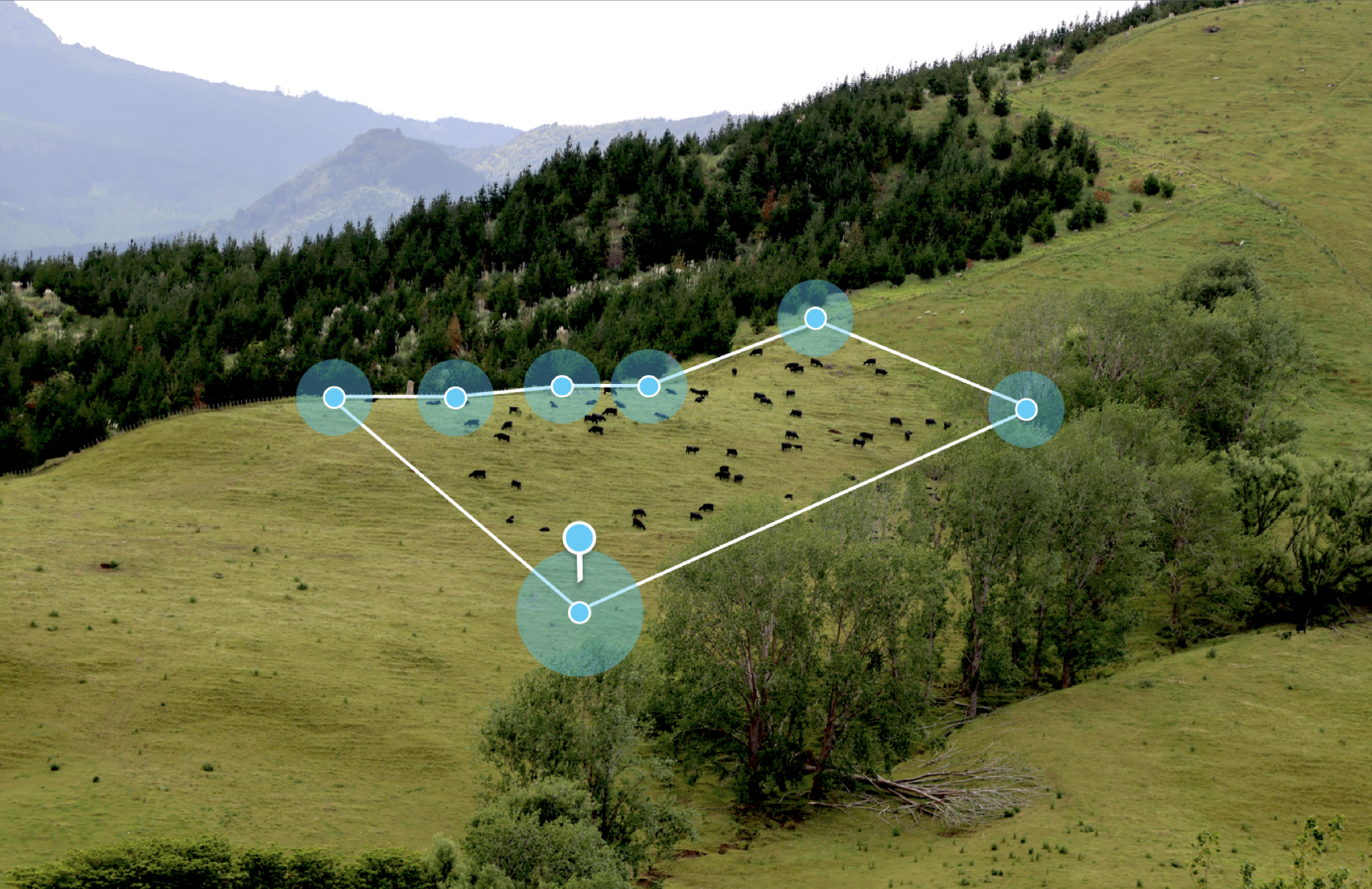
THE RSPCA’s annual animal welfare webinar held last week included sessions specific to production animals – and one of the points it raised was the need for a code of conduct covering the use of virtual fencing technology in livestock.
Virtual fencing systems train animals to locate in a designated area, using a range of stimuli including audio, vibration and mild electric shocks.
New Zealand veterinarian Dr Helen Beattie, managing director of special interest group Veterinarians for Animal Welfare, told the webinar that virtual fencing collars had first been tested on animals back in 1987, but the market had expanded rapidly in recent years, with multiple manufacturers now active in the market.
She said virtual fencing could be used not just to establish a perimeter, but also to actively shift animals from location to location.
Dr Beattie stressed that virtual fencing could not replace human oversight, and should be considered an adjunct tool in human management only.
Code of conduct development
She outlined the and purpose and history behind the development of a code of conduct for the use of virtual fencing technology on livestock.
Dr Beattie said during the investigation process, engagement and support from industry partners including farmers had been good – some of it “absolutely exceptional” – but others had ‘cold shouldered’ any discussion.
“But everybody we have spoken to, without fail, has said animal welfare matters. The fact that they think it ias important is a good starting point,” she said.
The development of the code covered a number of animal welfare safeguarding standards, plus background information.
“The document, paradoxically, was both more prescriptive and wider in scope than what originally thought, because there had been a number of topics that came to light as the code was developed,” Dr Beattie said.
“Some of these included electric device regulation, issues like implications from local GPS network breakdown, IT and communications set-ups, and AI development and use.”
“One of the questions we had put to us was what international best practise looks like for IT and AI engineers, and whether a virtual farm setting could be used for best-practice development and deployment of the technology, to allow for pressure-testing behind the scenes, before safe commercial roll-out.”
Dr Beattie said basic animal welfare concerns were the basis for the development of the code.
“We knew that there was a complete lack of meaningful regulation around virtual fencing in New Zealand, and also in Australia at that time,” she said.
“We also found out that manufacturers had started up without any animal welfare expertise in their teams at all, and were concerned that that could happen again, given there was no regulation. That would mean animals being exposed to technology under development, which does not really seem fair to the animals in those trials.”
“That, alongside a lack of transparency, which remains to this day, about how the electricity is applied to the animals was a concern. No manufacturing company with which we have been in contact has provided clarity about this.”
At the end of 2022, Veterinarians for Animal Welfare NZ published five concerns around the use of virtual fencing, as part of its code of welfare for dairy cows:
- The use of electric shock in training methods
- Possible long-term animal welfare impacts
- The fact that the ‘fence’ is moveable rather than in a fixed location, and
- The risk of technology glitches or hacks, and the risk to the animal if the system goes down.
Code of ethical conduct
That led to engagement with industry, including farmers, consultants, manufacturers and veterinarians, leading to the development of a view that a standardised approach was needed – both locally and internationally.
Veterinarians for Animal Welfare was then contracted by virtual fencing manufacturers to develop a code of ethical conduct focussed on animal welfare. Dr Beattie stressed that the contract included absolute independence, where VAW controlled the content.
The development of the code included a review of published research, interviews and discussions with stakeholders including researchers, farmers, vets and animal welfare scientists, plus farm visits to see the technology in use in various settings (beef/dairy, flat/hilly country etc).
“As it developed, some of our original concerns were allayed, while other popped up,” Dr Beattie said.
“For example bank loans in NZ being offered off the back of VFT use, because of the environmental benefits that are claimed, meaning the customer could get better interest rates. At this time there are no peer-reviewed studies confirming this benefit, so it’s quite interesting that the banks have taken this on board.”
All of this led the VAW group to draw the conclusion that increased regulation was needed.
Dr Beattie claimed that in New Zealand, it was a ‘free-for-all’ and any manufacturer could do whatever they wanted regarding virtual fencing technology, with no limits on electricity use, for example.
In Australia, there is now legal use, in some form, in all states and territories except for the Australian Capital Territory around Canberra, and South Australia, which is expected to come on line soon. Click here to view recent story on Victorian developments.
In New South Wales, regulation states that a user must be trained by a manufacturer or supplier in how to use the technology, and must be regularly monitored. Users cannot deliver electrical cues directly to animals. Two states had set voltage stimulus limits of 0.5 joules.
In Victoria, a question remains about whether electricity limits will be set.
“If it happens, that would certainly be a game-changer regarding transparency,” Dr Beattie said.
Third-party training in VIC is also precluded, and collars must fit to avoid injury or undue discomfort.
Victoria did seem to preclude the use of collars in extensively-run cattle, given that the legislation says animals need to be observed, and there needs to be the opportunity to correct problems, if they occur.
“We strongly support this position, because they are some of the concerns we have in the deployment of these devices,” Dr Beattie told the webinar.
“But in any trans Tasman competition, New Zealand is losing in this area. Well done Australia, you are on the right path,” she told the webinar audience.
Dr Beattie said some commercially available devices filled two functions, capturing animal health and behaviour data, as well as functioning as a virtual fencing or herding device.
She said these additional functions may improve overall understanding of an animal’s welfare status. However it was important that a distinction be made between the potential benefits to an animal’s welfare from the health or behaviour data that’s collected, as opposed to the use of the VF itself.
“These should be considered in isolation – one is not predicated on the other,” she said.
Key concerns
Dr Beattie outlined some specific concerns that remain about the use of VF in livestock:
- Social node disruption (not being able to hang-out with herd mates), which she said had not been investigated
- Long-term welfare including audio impacts
- Potential physical impacts (fitting and injuries) from electrical stimulation
- Predictability and control of systems (mentioned above, like connectivity drop-outs).
- ‘On demand’ adjustment of voltage levels in collars
She also warned that research carried out on one cattle breed or type might not necessarily reflect outcomes from another, including dairy versus beef, bos indicus versus bos taurus, different species, or intensive versus extensive.
“There is a lot more than needs to be done before we can confidently deploy VF devices across all possible uses,” she said.
The point the VAW group was most concerned about related to the absence of any agreed industry standard on points like maximum voltage used, and how animals might respond to certain circumstances.
She said cows were creatures of habit, and became familiar with using certain gateways, for example. They did not cope well with being made use an unfamiliar gate through the use of VF, for example, receiving ‘quite a number’ of cues.
She said there was ‘general agreement’ that using VF devices in this way was unacceptable. In the same way, there was ‘general agreement’ that drafting one animal from its contemporaries using VF tech was ‘not a great idea.’
“We generally understood that this function had been turned off by manufacturers, but given recent comments among users on Facebook (the webinar was showen an example), it is unclear that that is the case,” Dr Beattie said.
Other concerns raised were non-disclosure agreements in some users contracts – in some cases also involving vistors to farms.
“Why are they there, and what was being protected?” she asked.
She provided an example of a manufacturer’s NDA:
“The customer must not make any public statements, including statement and comment via news media and social media, disparaging the services….”
“This really does not help the social licence to operate and the confidence in the industry,” she said.
Manufacturers association
A key recommendation made by the VAW group was the establishment of a Virtual Fencing Manufacturers’ Association, along the lines of that established when the electric (tape or wire) fencing industry was established.
“This is necessary to establish agreed, industry-wide safety parameters,” Dr Beattie said.
“It would allow collaboration, strictly confidential information sharing and trouble-shooting, that would help ensure social license to operate is retained, and agreed animal welfare provisions are baked into the development and use of virtual fencing – including new-comers to the market,” she said.
A key benefit would be developing international standardisation, with flexibility for stronger national standards that would facilitate glovbal trade and ensure consistent safety levels across different jurisdictions.
She suggested this could lead to technical barriers to trade being reduced, and various stakeholders would benefit.
“For example, manufacturers would have clear design requirements, farmers would be assured of product safety, regulators would have established compliance criteria, and importantly, animals would have welfare protection.”