
WHAT happens when experienced livestock handlers, transporters and engineers combine decades of acquired practical knowledge to rethink one of the cattle industry’s oldest pieces of infrastructure?
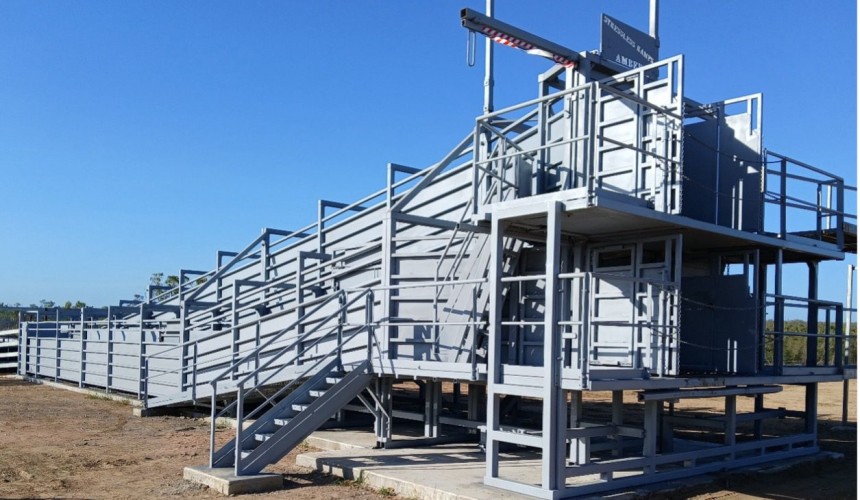
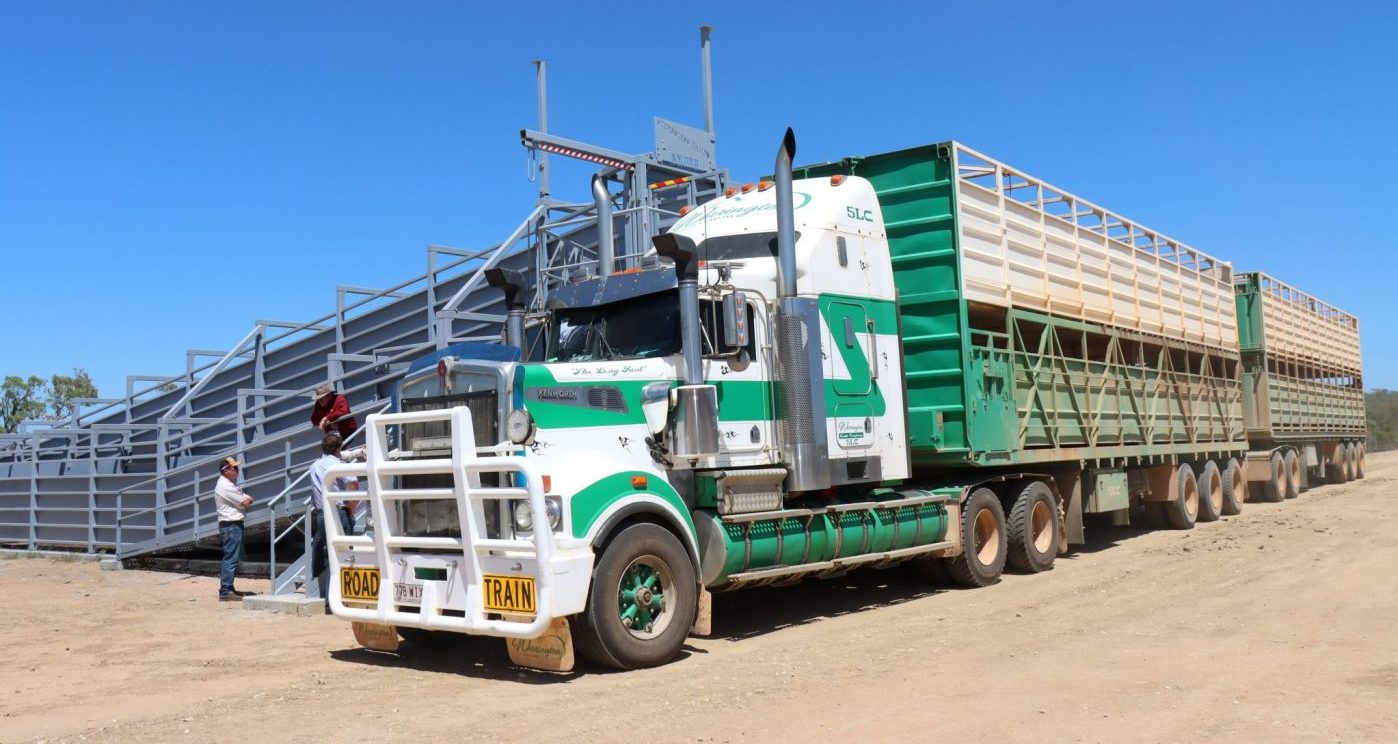
That is in effect what led to the “Stressless” cattle ramp now installed at Amber Station west of Cairns, which is designed to enable high-volume cattle flow while removing stress for cattle and handlers.
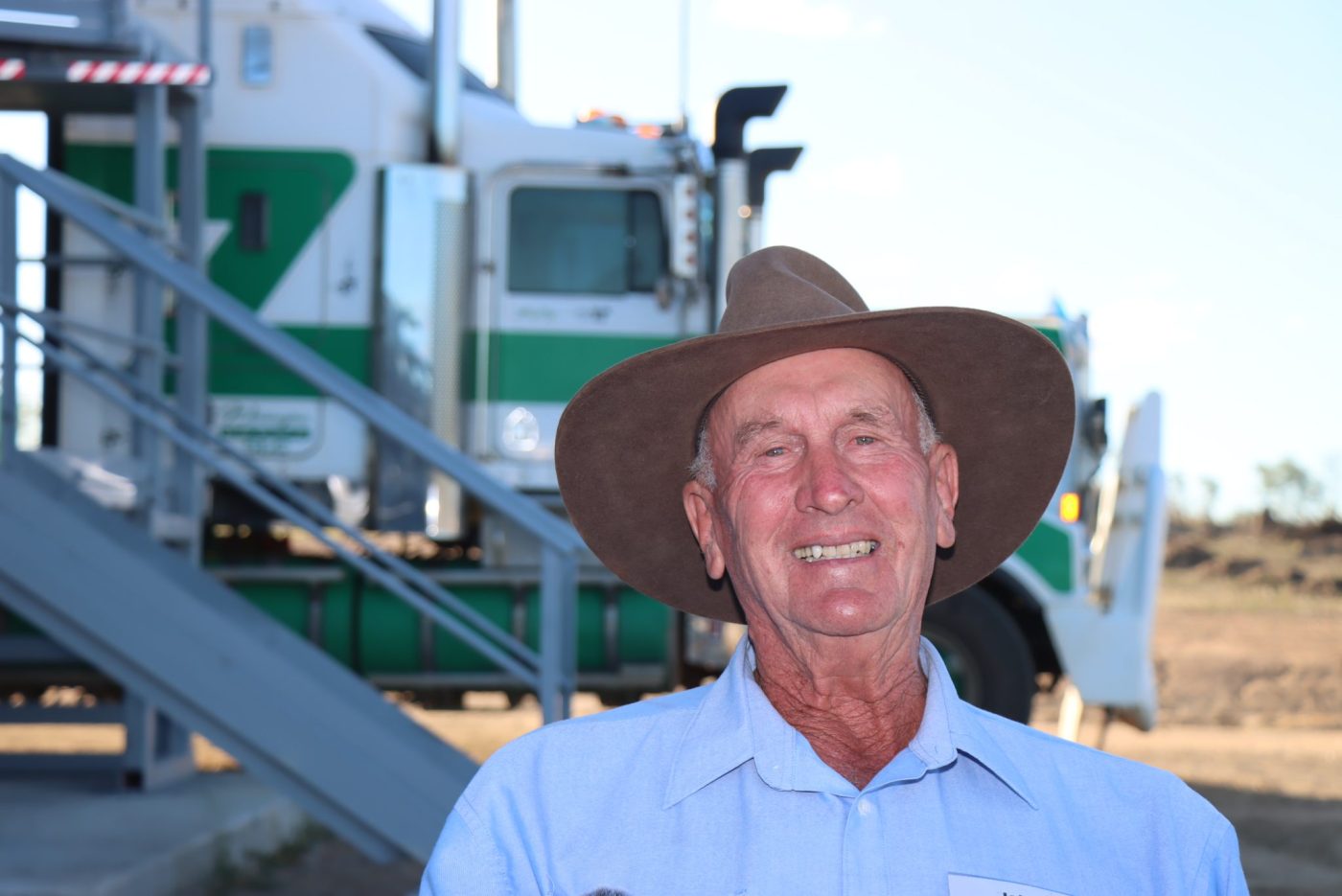
Central Queensland cattle producer and livesock transporter John Lethbridge.
This article – which accompanies a video showing the ramp in action at a demonstration field day last week – draws on a paper explaining the principles behind the design, prepared by North Queensland cattle producers and livestock transport drivers John and Russel Lethbridge, engineer Shawn Chapman and veterinarian Geoffry Fordyce.
The starting point for the design of the Amber Station ramp were other high-volume loading facilities already in use across the industry.
In particular the designers took inspiration from the wide, double deck ramp at the Blackall Saleyards, which they note is anecdotally referred to by many in the livestock transporting community as being the best they use.
Objectives behind design
From that concept, the group of experienced livestock handlers, transporters and heavy engineering specialists then designed a ramp built around several key objectives.
Video: See the Stressless ramp in action
These included that the new ramp:
- Could be shipped by a standard road train in parts that can be assembled within two days at a destination;
- Was relocatable at any time;
- Allowed cattle to be easily herded through the facility with negligible risk of injury and minimal stress experienced;
- Maintained a high flow rate of cattle;
- Enabled easy, rapid and safe loading and unloading of lower and upper decks of standard side-loading trailers with wide portals that can each accommodate approximately 20 tonnes of cattle in four compartments;
- Ensured cattle that turn around or exit a truck prematurely can be safely turned back;
- Makes is teasy for loading personnel to guide cattle strategically, become invisible to cattle when required, and are able to access all gates quickly and safely.
- Meets all certified safe work and civil engineering standards and has a projected life span of at least 75 years.
Paired ramps
As the birds-eye view schematic below demonstrates, the new design incorporates paired ramps coming from a common let-up pen at ground level.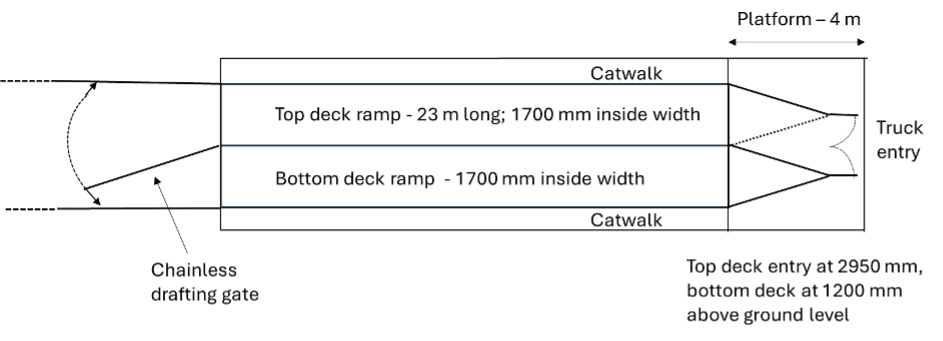
After ascending the ramps, prior to entering the truck, cattle have a platform or apron section of 4000mm before entering the top and bottom decks of trailers at Australian standard truck entry heights of 1200mm and 2950mm above ground level.
The lower deck platform kinks to the left and the upper platform kinks to the right, so that the upper ramp leads into the truck directly above the lower deck platform.
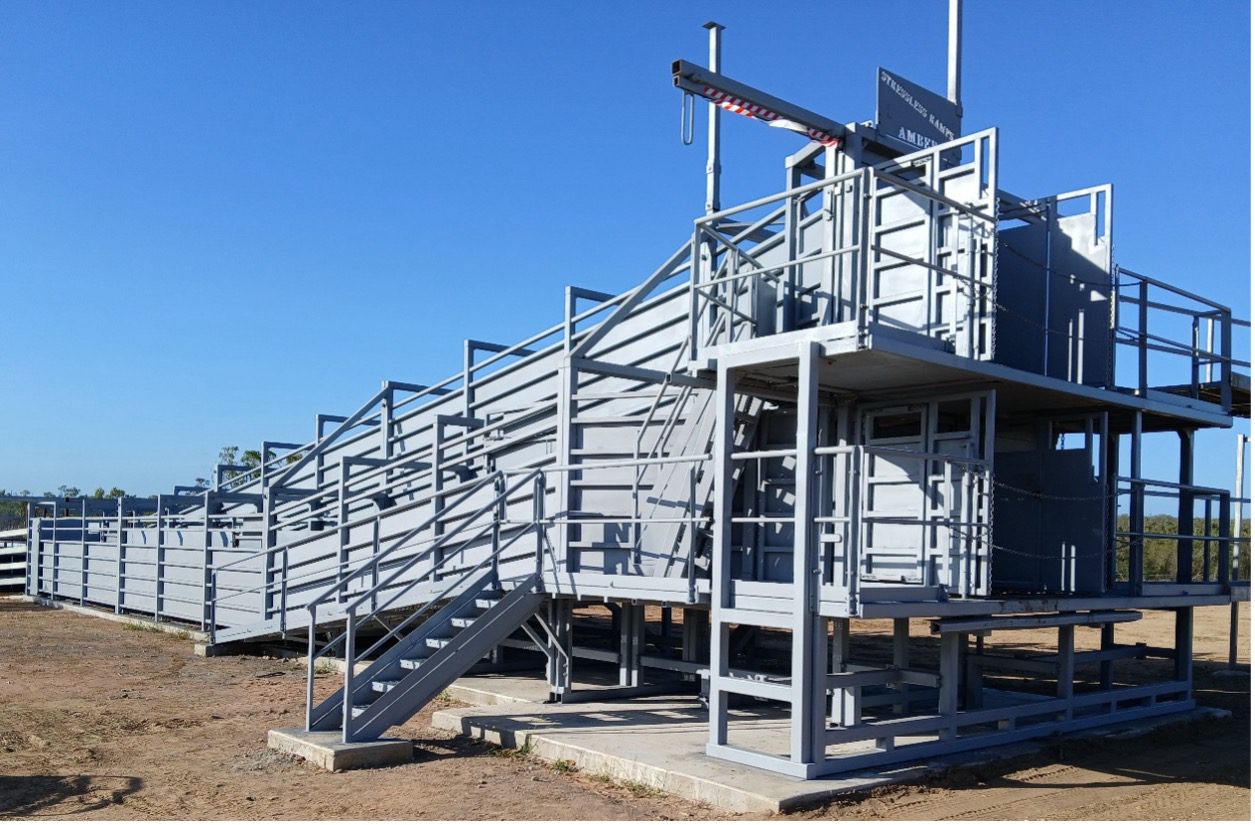
Wide races
The most distinct feature of the design is the inside width of the dual ramps at 1700mm (below).
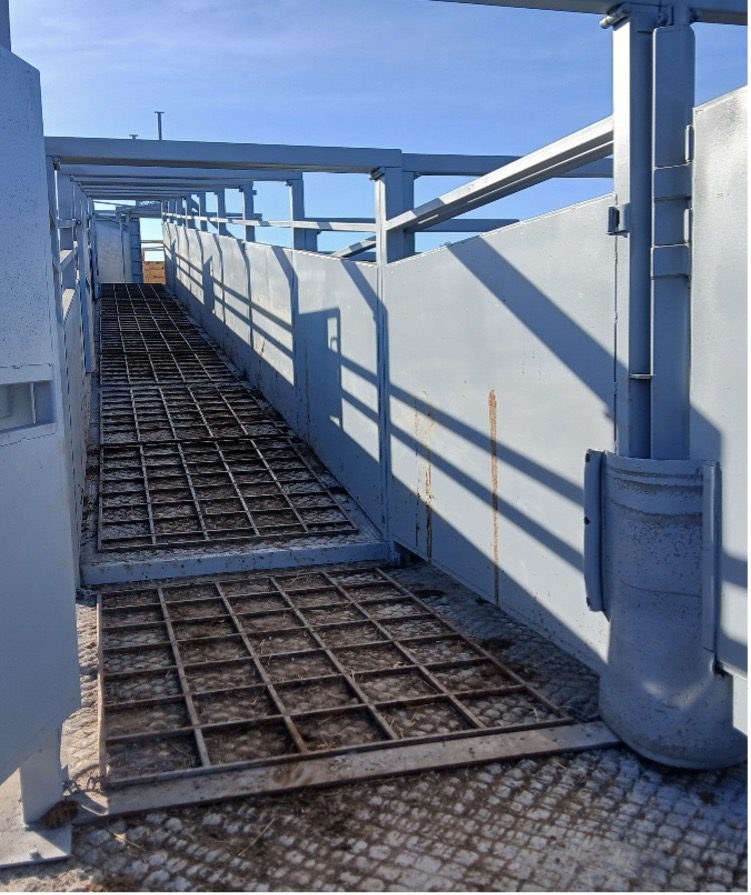
Sheeted sides
The sides are fully sheeted to 1400mm on the outer catwalk sides, and higher on the inside.
This is designed to blind cattle to the situation they are in, and to handlers, while also allowing visual and arm access for handlers as required.
The floor can either be cleated concrete or purpose-built drop-in matting for livestock.
The ramp is straight, giving cattle open vision ahead through the top of the ramp into the truck.
Hinged drafting gate
A second novel feature of the ramp is a hinged drafting gate at ground level where the dual ramps meet (below).
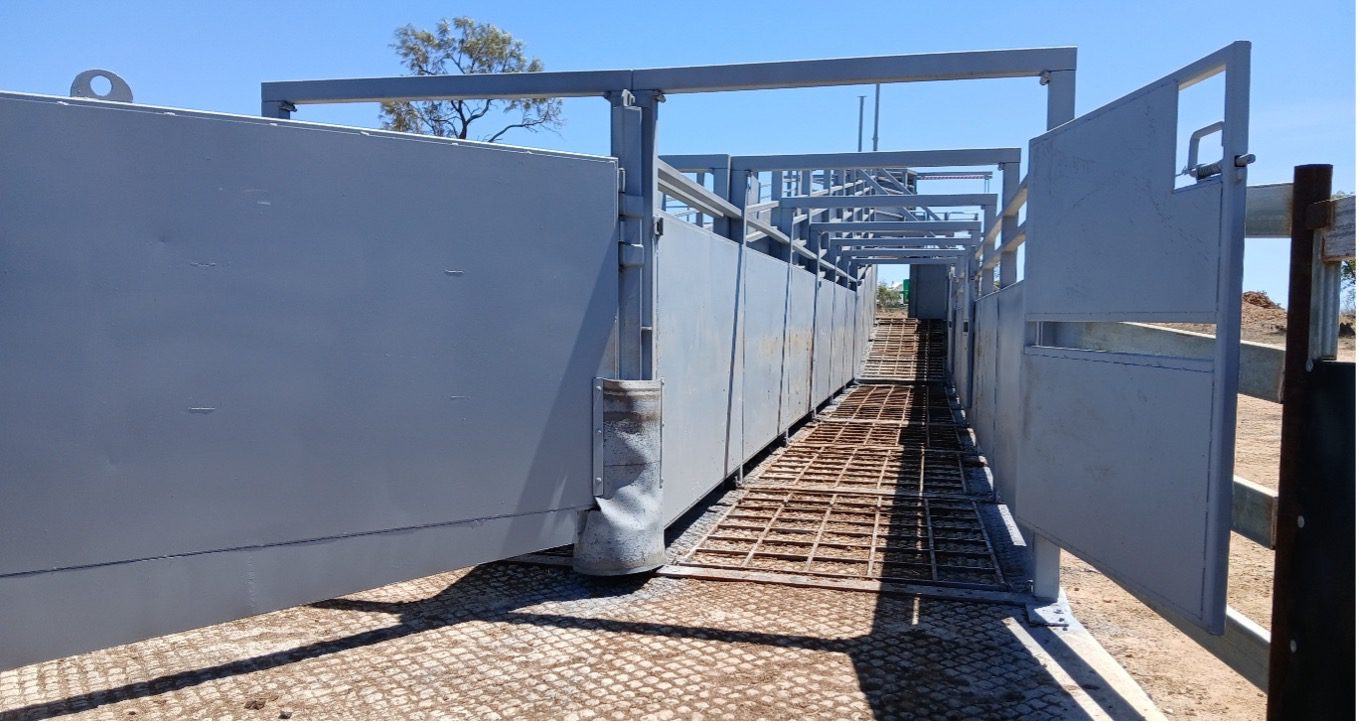
The gate has lugs at the hinge base, holding it in place, allowing cattle to be guided into the top deck, the bottom deck, or from or to both decks simultaneously.
The gate is hinged at the entry between the dual ramps. As the gate swings, it rises over the lugs and sets between lugs.
The designers note that the gate is relatively easy to swing. When set for loading, it cannot be pushed past restraining let-up yard posts. When unloading, this fail-safe feature allows it to be easily pushed open by cattle that get accidentally blocked up as a result of human error. These features obviate the need for restraining chains to be used on this gate.
Rather than having slide gates on all entrances and exits, there are quick latch swinging gates that can be safely opened from outside the cattle area.
When open, the gates are held in place by magnets. The gates that open to the truck have a 25 mm diameter solid pin floor latch to prevent damage by trucks. In addition, all chains linking truck and ramp gates are light, allowing them to snap easily rather than cause ramp damage by trucks.
Portability
The ramp is constructed of six parts (bottom deck ramp, top deck ramp, catwalks for each side, entry platforms, chainless drafting gate) that can be shipped on one standard three-trailer road train over long distances.
It is estimated ramp assembly would take approximately two days on suitable sites. The ramp can be disassembled and relocated at any time.
Gentle inclination
The ramp inclination is 7 degrees and 9 degrees for the lower and upper deck ramps respectively, conforming with previous standards of <20 degrees (Lapworth 1990; Grandin 1997).
All novel features of the new design have been incorporated into an Australian Patent (pending).
How it works in practice
Experienced cattle handlers interviewed after using the facility indicated that it is vastly easier to move cattle from holding-pens up the ramp than up traditional narrow ramps, whether curved or straight.
They also noted that when the gates are opened for a pen of cattle, most often they will proceed up the ramp on their own accord.
The wide ramp removes the funnel to loading, allowing as many as four animals abreast to ascend or descend the ramp.
‘Total time to load 60 tonnes of cattle in 12 groups was less than 15 minutes during routine business practice’
Total time to load 60 tonnes of cattle in 12 groups was less than 15 minutes during routine business practice.
It was also noted that if handlers forget to correctly set the chainless gate correctly, the livestock being unloaded will push against it and easily force it open, preventing ‘stampede’ injuries.
Why the new ramp was constructed
Poorly-designed facilities can make the loading and unloading process time-consuming and very dangerous for both livestock and handlers, especially when cattle are blocked up when exiting trucks quickly.
Primary impediments to loading and unloading are often the result of infrastructure, training and temperament of cattle and/or competence of handlers.
Impediments add time and costs which are often unfairly borne by the truck operators.
The designers also noted that most infrastructure in the cattle industry is influenced more by engineers rather than competent livestock handlers, which leads to sub-optimal structures that cattle are fearful of, creating greater potential for stress and injuries to cattle and handlers.
Lapworth (1990) suggested that poor cattle loading and unloading infrastructure in Australia may be the largest contributor to stress of livestock being transported.
The designers report that the wide ramp allows animals to move side by side and appears to provide animals with more security as they have choice in individual fear responses; both outcomes are likely to reduce animal stress.
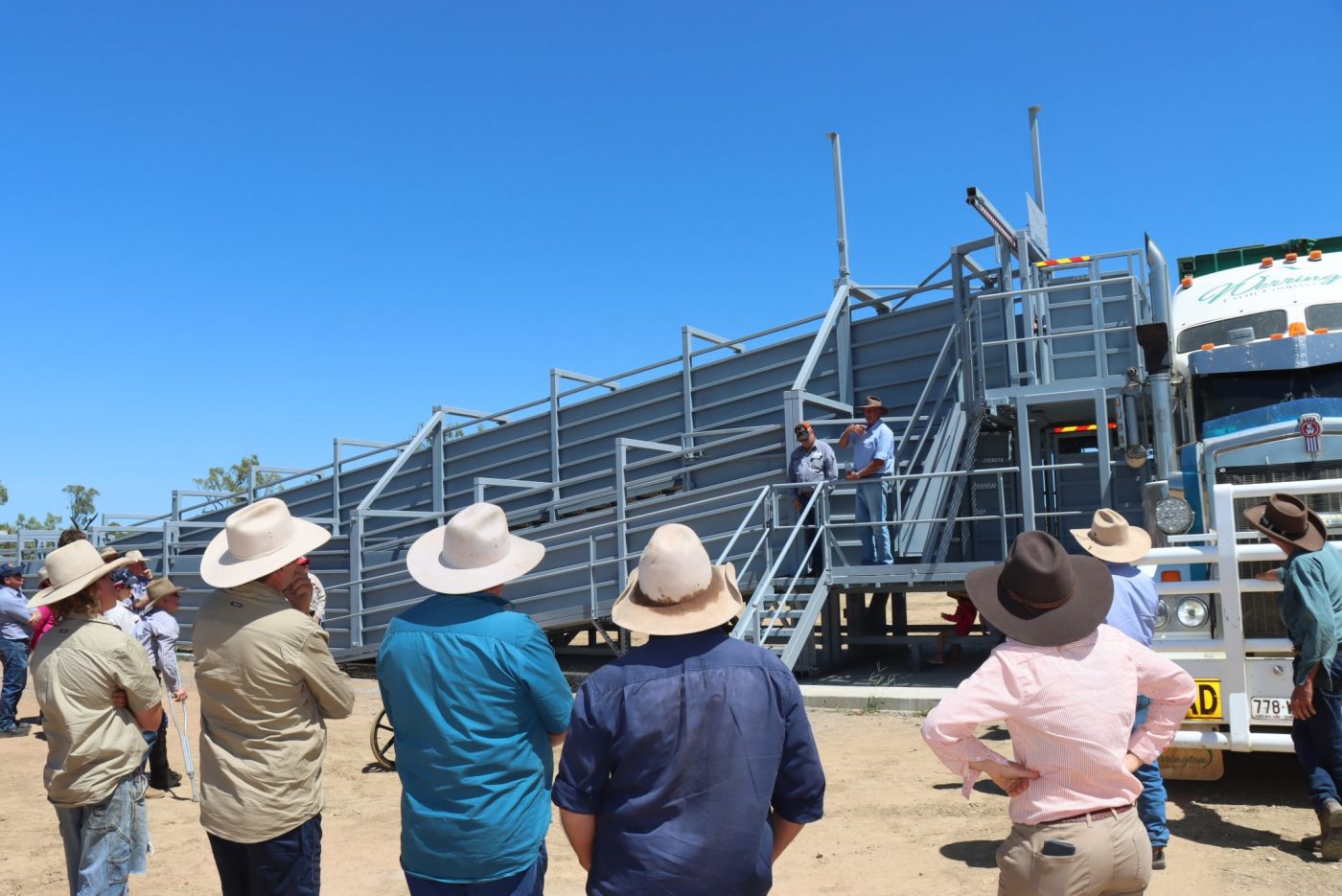
In addition, the wide ramp with no curve provides an open forward view for animals, whether loading or unloading, that tempers fear of progressing into a confined space, thus accelerating loading and unloading.
This also reduces the requirement for one or more operators on the side of the ramp, continually encouraging animals forward.
The designers also noted that the concept of a wide loading ramp for cattle is not new, with facilities built over 50 years ago found by cattle handlers to be very efficient for loading cattle onto trucks. However, paradigms appeared to quickly suppress further development, resulting in the continued recommendation that the inside width of cattle loading ramps be approximately 750mm.
Despite this, several ramps wider than 750 mm have been built in recent years out of necessity at ports and saleyards where loading onto ships and trucks had to be sped up to avoid the costs of ships and trucks standing still.
The designers said these structures were the inspiration for the Stressless loading ramp, with slightly narrower wide ramps found to be good but not ideal and therefore not replicated.
Earlier articles
- NHVR guidance aims to reassure producers on transport duties 17 Sept 2025
- Cattle industry urged to lift standards on livestock loading 10 Sept 2025
- Growing use of double-deck loading ramps on cattle properties 28 March 2025