
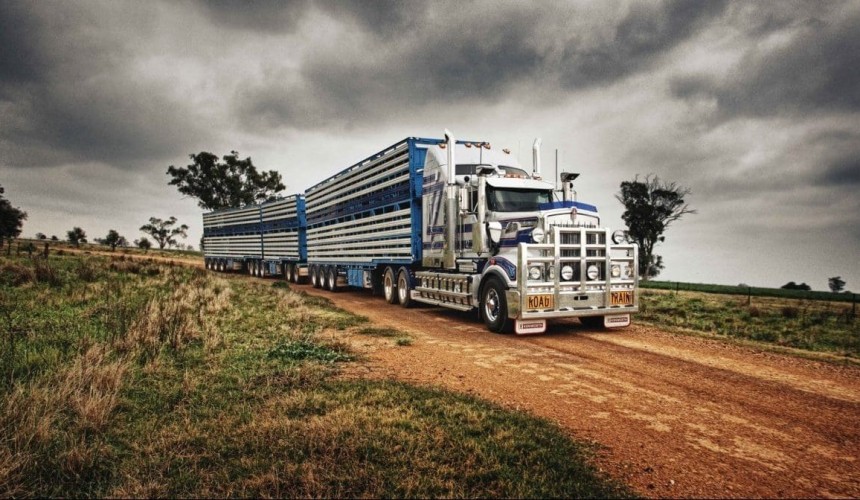
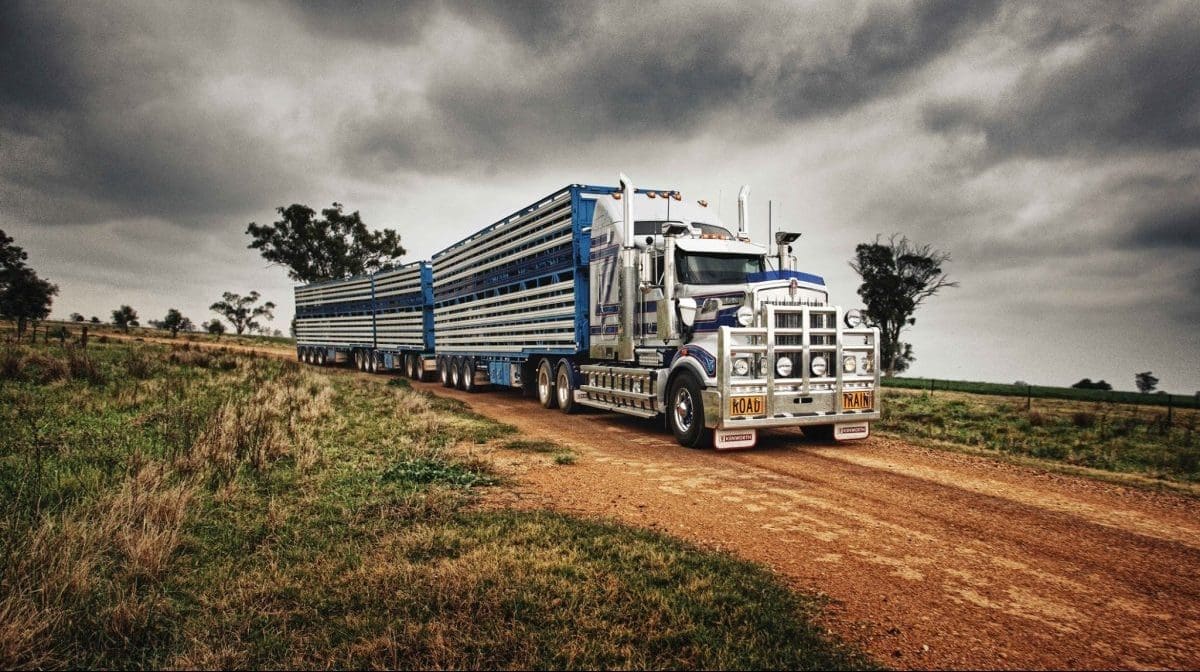
THE closure of two regional truck washes has weakened an already fragile national network that rural industry leaders warn leaves “gaping holes” in Australia’s biosecurity safety net.
The closure of saleyards at both Geelong and Pakenham in regional Victoria means key truck wash facilities at both locations will be lost, stripping another layer of critical infrastructure.
The declining number of accessible truck wash facilities is “quietly undermining” Australia’s national biosecurity preparedness, the Australian Livestock and Rural Transporters Association warns.
“What is even more concerning is how ill-equipped we are to respond to a national livestock standstill event—such as an outbreak of Foot and Mouth Disease (FMD) or Lumpy Skin Disease,” ALRTA executive director Anthony Boyle said in an alert to members this week.
“These are no longer abstract threats.
“Industry and government alike frequently describe such an outbreak as ‘not if, but when’.”
In the event of a standstill or regional containment order, the requirement to wash down and disinfect vehicles between every load would become immediate and absolute, he pointed out.
“And yet, our current wash infrastructure—scarce, aging, and regionally patchy—would be overwhelmed within hours.
“Without urgent investment, we are simply not prepared.
“This vulnerability affects every part of the supply chain—from producers and processors to bulk and livestock carriers.
“If we expect professional standards from transport operators, then we must provide the essential infrastructure to match those expectations, especially when national biosecurity hangs in the balance.”
Not just a livestock issue
Nor was this just a “livestock issue”.
“Bulk commodity carriers—integral to Australia’s grain, feed, and food sectors—are also caught short.
“Operators moving between sensitive loads like grain, fertiliser, and feed must clean vehicles between loads to meet biosecurity, contamination, or export standards.
“Yet across regional Australia, there are few, if any, compliant public facilities available to meet this demand. Apparently, a broom is sufficient.”
“Meanwhile, in South East Queensland—home to one of Australia’s busiest livestock processing zones—effluent spill on public roads is becoming a daily hazard. In Warialda, NSW, drivers are facing curfews at truck wash facilities that force overnight delays, compounding fatigue risks and stalling productivity.”
Potential solutions
Mr Boyle said among solutions being put forward was a forward-thinking masterplan developed by the Livestock and Rural Transporters Association of Victoria (LRTAV) for a multi-purpose rest area in Geelong, which would combine a truck wash facility with amenities for driver rest and queue management near the Port of Geelong.
Victoria is also trialling new governance model with a truck wash steering committee established and chaired by Agriculture Victoria’s Biosecurity Division to explore strategic responses.
In South East Queensland, he said major processors were engaging with ALRTA to develop a regional master plan, while plans were also underway in South Australia to expand the effluent dump point network across key freight corridors.
“What’s becoming clear is that no single solution—or single player—can fix this.
“The message is simple: teamwork is non-negotiable. A whole-of-chain mindset is critical to building infrastructure that can cope with normal operating demands—and crisis situations alike.”
He said ALRTA is also working to develop a national supply chain solution—one that serves the needs of both livestock and bulk carriers, prioritises safety, hygiene, and traceability, and delivers real resilience in the face of future threats.
Victorian farmers: “We’re left vulnerable”
The Victorian Farmers Federation drew attention to the issue last week following a formal announcement the Geelong truck wash will cease operations in September, wich follows the closure of the Pakenham saleyards and truck wash in late 2024.
“Our biosecurity safety net is only as strong as its weakest point and with the closure of washes in Pakenham and now Geelong, we’re left vulnerable,” VFF Livestock President Scott Young said.
“Truck washes are a vital part of keeping of our industry safe and detecting any potential threats.
“In the event of an emergency animal disease, the need for an efficient and effective truck wash network would be central to a state-wide response.”
He said the closures will leave “two massive holes” within the truck wash network at a time when movement of livestock into Melbourne meat processors is only going to increase.
The VFF is calling for the fast-tracking of new and planned truck washes in the wake of the two closures, dedicated effluent management systems in the greater Melbourne area and requirements for new facilities to use the latest technology to ensure best practice biosecurity.
“There’s arguably no bigger threat to Australian agriculture than a large-scale biosecurity outbreak,” Mr Young said.
“We see investing in this infrastructure as insurance to help protect our multi-billion dollar industry.”
Never lose sight of the fact that when the Government and it's bureaucracy are in charge, it leads to a stuff-up and disaster.