


WHAT’S the next ‘big thing’ in meat processing industry technology, automation and robotics?
We circled the room at the AMPC Innovation Showcase in Brisbane yesterday to ask delegates for their predictions.
Adam Spencer, event MC and TV science guru: “When AI flips the switch and becomes totally language-driven, so you don’t need to have a PhD in computer engineering to use a package and when you can just say to it: ‘Can you please give me the last quarter’s sales figures on these organisations and who pays their bills most on time?’.
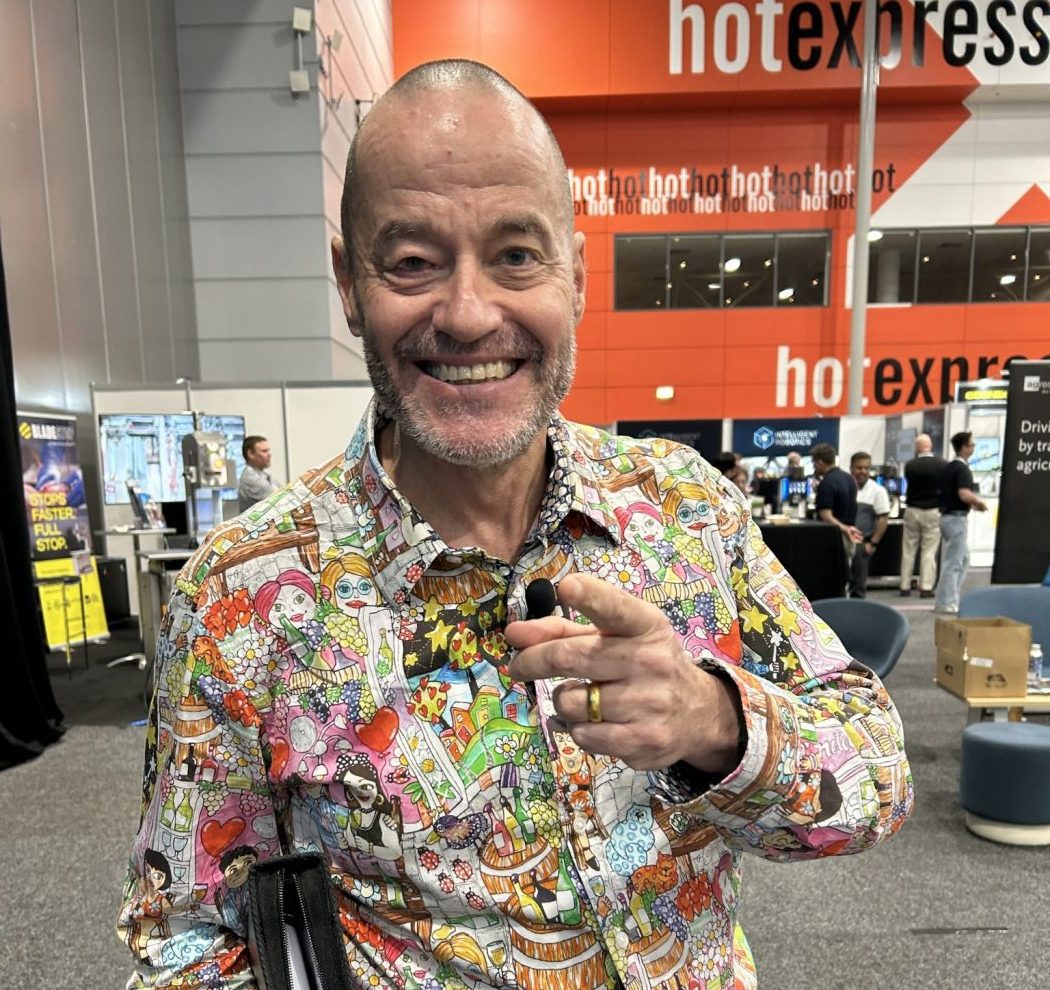
Science geek and Showcase MC, Adam Spencer
“Robots with a brain, that’s the next generation – when devices become smart and self-teaching and when they improve over time, the productivity benefits are massive.”
However this brave new world of AI came with a caveat, he said.
“When I talk about Gen AI to people I say: ‘If you are using it to turbo-charge the skills that you already have, when you do your jobs more efficiently augmented by that technology, that’s great. But if you’re using it to cover gaps or if you’re using it to remove a critical apprenticeship stage in your industry, I think we have to be careful’.
“If this technology means that you’re no longer recruiting at level one and you just recruit at level three, be careful because your level threes all started as level ones. Most of your bosses started as level ones and you still need that.”
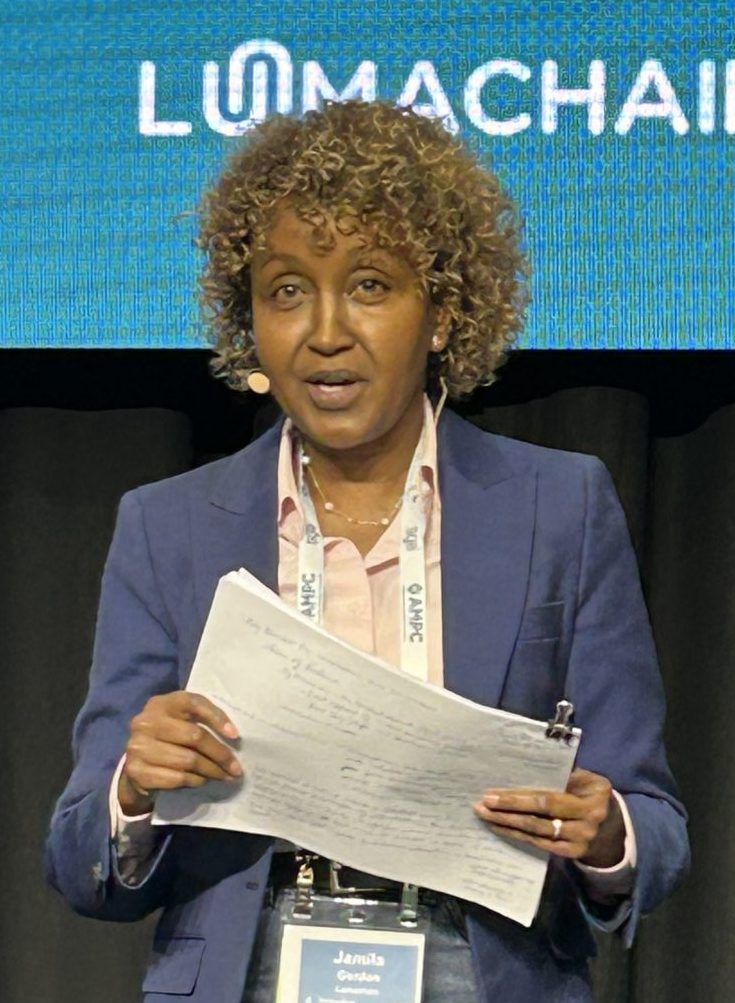
Jamila Gordon
Jamila Gordon, founder and CEO Lumachain:
“We want to take the brain and put it in a robot. The robots that exist today, in the factory, they are pre-programmed. You get them there and they only know how to do one thing. We want a robot that learns, like AI, and has that flexibility.”
Sean Starling, head of innovation and industrial engineering JBS (Southern):
“One of the next big things – and the industry has already started working on it, but it will take ten years to materialise to its ultimate value proposition for the industry – will be remote operations shadow robotics. This is where we don’t have to 100pc rely on having operational staff in our factories. We will start to see some of that slowly materialise over the next one, two, three years.
“This is having people work from home or from a control centre that’s not physically on one of our processing plants, driving robots to do some activities.
“If it goes the direction we anticipate it can, over the next 10 or 15 years it will be common practice and who knows – up to 30pc of our workforce will not need to be in one of our factories to be actually working at one of our processing plants.”
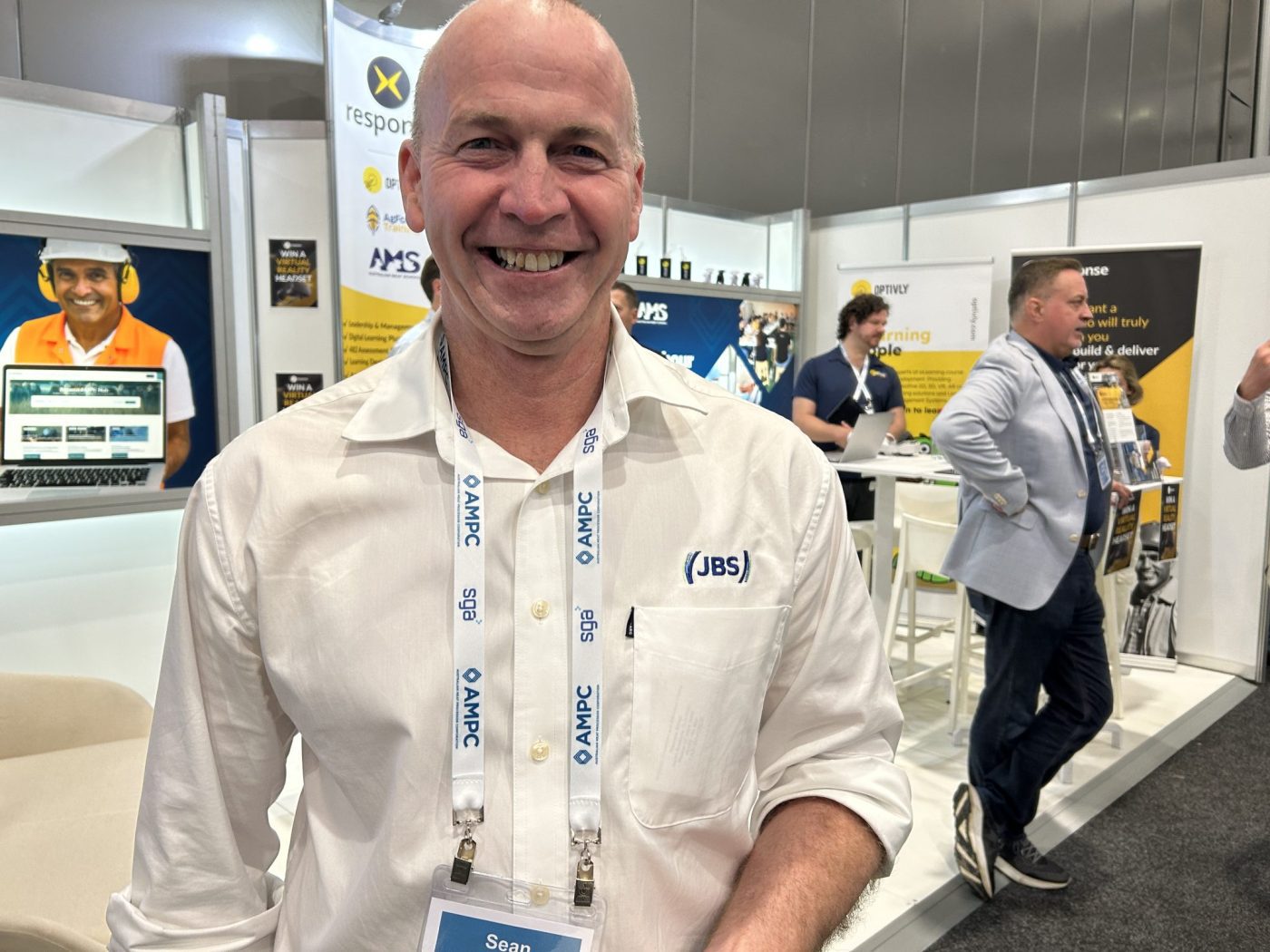
Sean Starling, JBS Southern
And will this technology ease labour supply shortfall?
“One of the drivers of this technology, and one of the reasons why JBS is investing in it, is that it’s not a lack of access to the workforce that’s causing our staff shortages, it’s that we expect and need them at the moment to be in our processing plants,” Mr Starling said.
“If we have remote operations working, I can have someone dialling-in and doing an activity in one of our processing plants while based at home in the USA or from Tahiti, or England. We can draw on a globalised workforce.”
“And then the other part of that is in Australia, from the research that I’ve done, there’s four million people with a registered disability. A large number of them we don’t have the ability to tap into, because – for example – they’re in a wheelchair and a large proportion of our processing floors are normally up one level. Or our work stations aren’t designed for someone to be boning-out or packing a piece of meat while in a wheelchair.
“But we could have people in wheelchairs or with other disabilities or they’re not good with the noise of the environment, they could be one step removed and still be providing an active working service for us in our processing plants.”
 Where will AI come into these operations? “I’m crystal-balling here because no one really knows what the future really holds, but I think AI will be of assistance to those people. For example, they’re selecting a component on a screen that they believe is a striploin, the AI might say: ‘Do you want to check that, we don’t think it is’. It will play a part … but what percentage, I don’t know.”
What’s the biggest challenge to this vision? “There’s a number of challenges. Probably the biggest challenge is that none of this happens overnight and so how do we ensure we have … an understanding and patience and the financial support for this to take the 10 to 15 years it needs. And also that people don’t wait another 15 years to get the value. After two to three years we’ve got to see a small snippet of success.”
Michael Lee, MLA’s group manager – science and innovation:
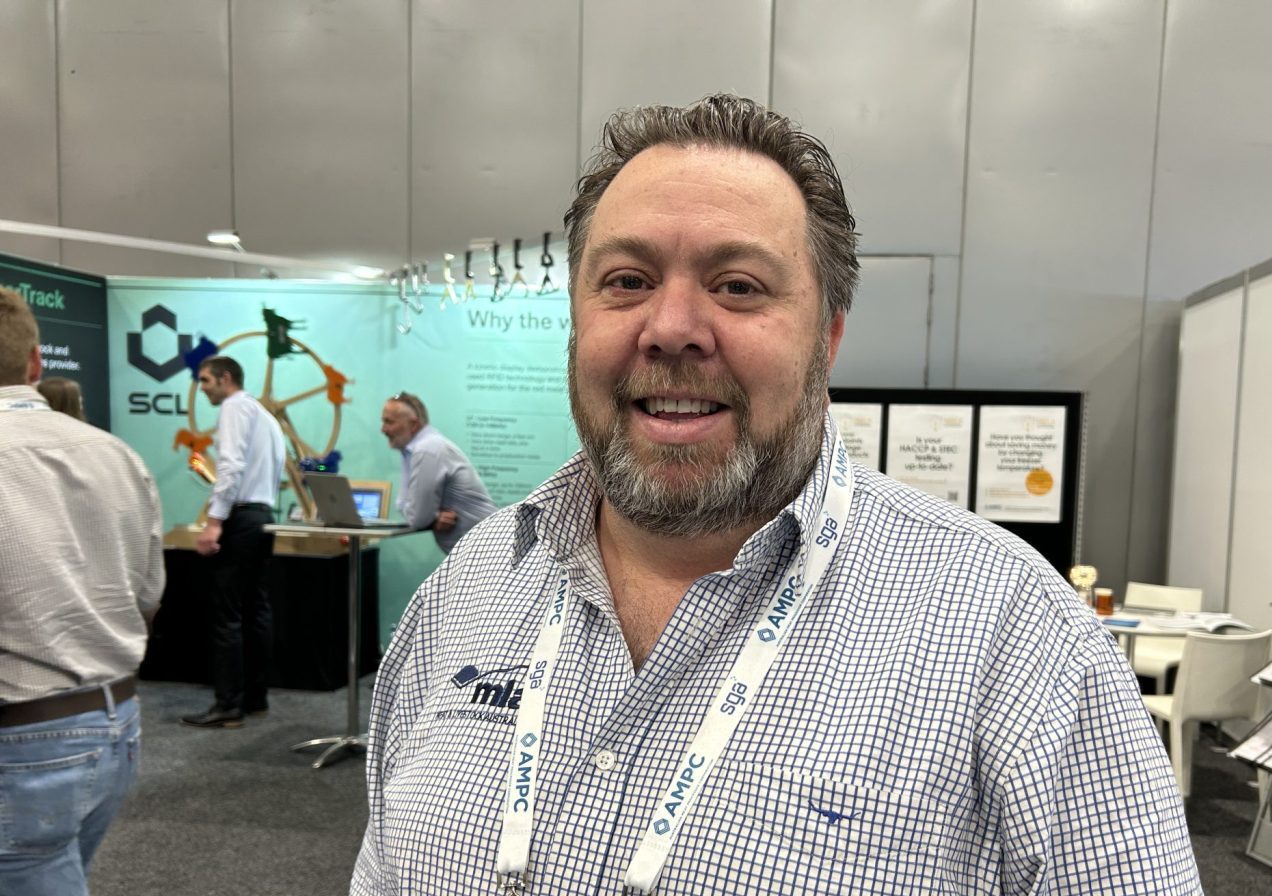
Michael Lee, MLA
Mr Lee nominated integration of data collection as the big opportunity of the future.
“We can use technology to collect more points of data while it’s robotic cutting, it can also give us a lot more information,” he said.
And the challenges to its introduction? Habit and established ways of working, he said. Whether it’s the familiarity of Excel or the spreadsheet – “it’s just what we do and what we’re used to,” he said.
And, although it’s an outlier in the discussion around technology, Mr Lee also suggested there were innovations ahead in the field of packaging. Future international market access could depend on plastics substitution, he said. “There’s a lot more consumer reaction to plastics use and disposal. It’s a driver that will affect market access here – but especially overseas.”
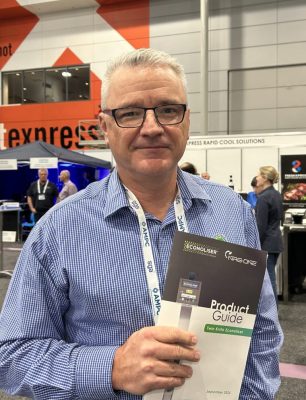
Andrew Ross, Australian Country Choice
Chief operating officer of Queensland beef processor Australian Country Choice, Andrew Ross (pictured left) was quick to nominate his hot new thing. “AI for general operations but also for safety and food safety.”
Chloe Lollback, Greenham’s strategic initiatives manager also nominated AI. “The key will be to see how AI can create value for everyone in the supply chain,” she said.
AMPC’s senior co-innovation manager David Carew believes exoskeletal supports will allow injured workers back onto the floor in the future.
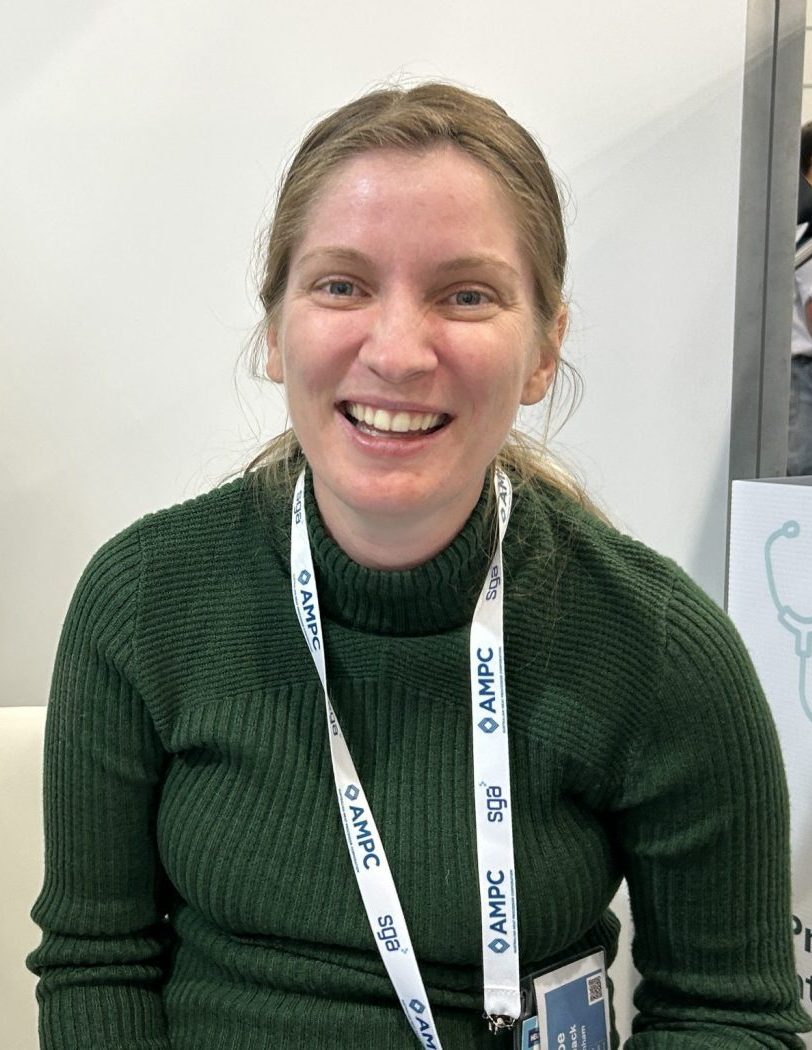
Chloe Lollback, Greenhams
“For all of my lifetime in the meat industry, we’ve said no to anyone who presented with an injury. But we’ve got developments like the exoskeleton that, with health practitioners’ advice, we can say we’re not going to exacerbate an existing problem.
“It would be great to get back those people who are willing and able to do physical work, but who we’ve always had to say no to, due to the risk of liability of making their problem worse. It means there’s another group of employees that we can open the door back up to. I think that’s exciting.”
- Weekly Grill podcast host Kerry Lonergan probes the new frontier of Artificial Intelligence in ag in an upcoming episode.
- More reports from the AMPC Innovation Showcase next week.
All of your contributors mentioned cost savings and efficiency gains for processors no sign of value based pricing to reward producers for producing better animals