
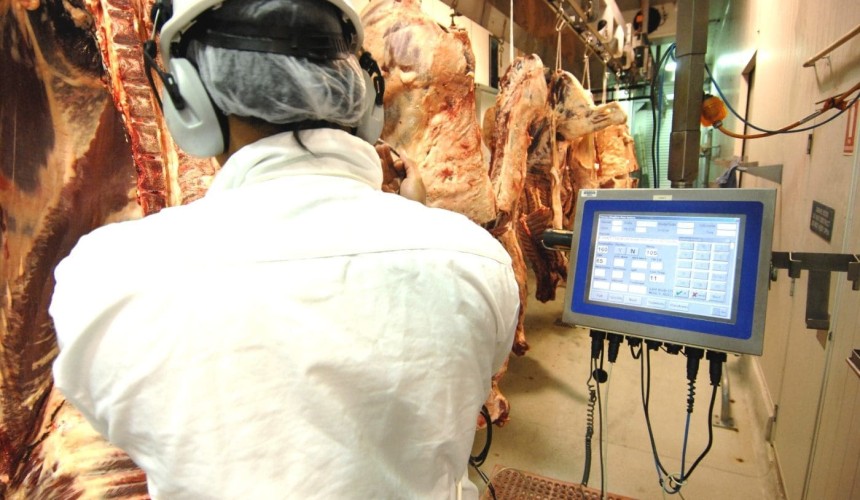
DIRECT consignment beef processor grids have shown only competitive alignment changes across Eastern states this past week, but the presence of Victorian and southern NSW processor buyers in Queensland has continued to influence the market.
Current slaughter cattle price levels have stimulated some surges in saleyards offerings this week, with Roma store sale yarding a hefty 11,000 head this morning.
 After taking a breather a few weeks ago, southern processors continue to buy northern cattle out of the paddock (mostly sold over the scales at nearby yards s far north as Winton, Richmond, Julia Creek and Hughenden) or via the saleyards system.
Up to the past week or two, most of those transactions were out of yards in Queensland’s tick-free areas. In a reflection of supply challenges, that’s now changed, with southern buyers prepared to pick up cattle out of ticky yards as far north as Charters Towers, and cop the additional $25 fee for dipping twice and holding for three days before clearing.
That cost comes on top of some eye watering transport cost to get the cattle home, anywhere from $120-$150 a head in some cases, and an estimated $200 a head in one recent example where bullocks were shipped out of Winton, northwest Queensland for 388c/kg on leg, destined for a plant deep in Victoria, with spelling along the way.
It’s also been suggested that Queensland vendors who had previously been trading with southern processor and feedlot buyers out of the paddock may have now directed more cattle into saleyards, to create additional ‘competitive tension’ and price discovery. That could partly explain the jump in saleyards listings seen this week, with Roma yarding around 11,000 today, Dalby 6600 tomorrow, Charters Towers 3000 (with talk of two fat sales next week), Emerald 1200 and Gunnedah 4000 this morning.
Queensland’s three or four consecutive flush seasons have often been overlooked in recent commentary around herd size changes, but the accumulative effect of the string of good seasons is now clearly being seen in unusually large September turnoff.
Over the hooks quotes
Over the hooks quotes in Queensland this week have seen some grids rise by 20c/kg, but only to keep pace with competitors who lifted their rates a week earlier.
We’ve seen grids this morning showing four-tooth heavy ox in southern Queensland at 730c/kg (740c available in some sheds for no HGP), and 640-660c/kg on good quality heavy cows.
 Central Queensland plants are 20c/kg behind those offers.
Several southern Queensland export processors have forward contracts available for 100-day grainfed flatback steer for December delivery at 770c/kg, up 20c on November cattle. However grainfed supply chain contacts are saying low to mid 800s is necessary to make the numbers stack-up, given current rising feeder steer prices (see last week’s 100-day trading budget report).
In southern states, competitive in eastern parts of South Australia and southern NSW this morning at 740c/kg on heavy cows, and grass four-tooth ox no implant 810c/kg.
Most Queensland processors now appear to have bookings covered reasonably well out to week commencing 29 September. Southern processors are generally more current.
Slaughter edges higher
Weekly national rates of cattle slaughter lifted a little last week (seven days ended Friday), but much of the movement can be attributed to a lift in Queensland (+6541 head) following a serious breakdown in a large southern Queensland shed the week before.
The week ended Friday saw national adult cattle slaughter at 151,824 head, up 3488 on the previous week and 11pc higher than the same week last year. Female slaughter ratio continues its recent easing trend, reaching 46.8pc.
While Queensland was the big mover, Tasmania showed a large drop, down 2032 head, suggesting a plant stoppage. Victoria lost 827 head, while production in most other states was steady.