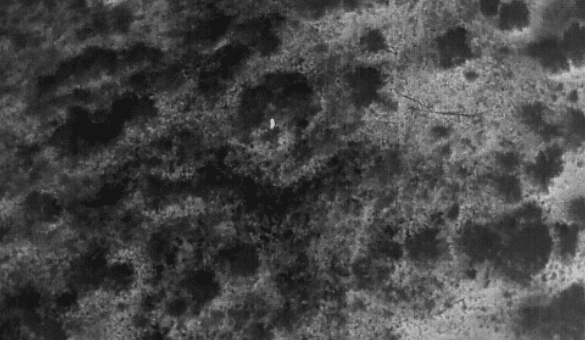
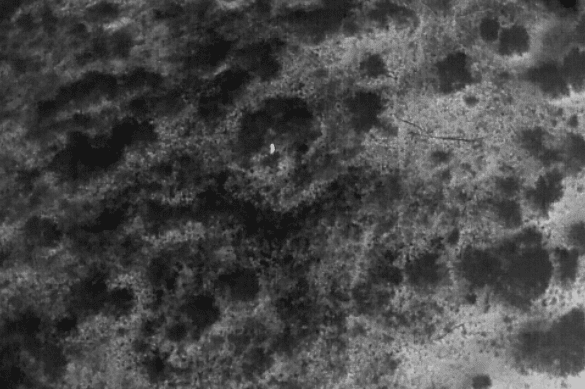
An animal (white in image) caught by the thermal imaging technology.
Night-time thermal-imaging drones were used for the first time recently to muster fugitive cattle ont Australian Country Choice’s Moray Downs station near Clermont in Central Queensland.
Four nights of drone-mustering last week outwitted elusive bulls and cows hiding in brigalow regrowth on the 122,000ha property.
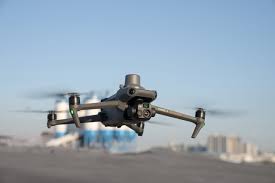
Mavic 3 Enterprise drone like that used in the Moray Downs muster
Detected by their body heat (see image above), the animals were mustered using two-way radio between drone operator Jamie Warren and waiting stockhands.
Mr Warren said each muster involved about 35 minutes “poking about in the air” using the Mavic 3 Enterprise drone which has a range of 3km from takeoff.
Australian Country Choice chief executive Anthony Lee called the project “an exciting use of technology not only to ensure clean musters, but also to improve safety outcomes. We are regularly using drones on multi properties now.”
About 20 animals were flushed out of the brigalow regrowth by the contractor, completing the muster of 11,500 weaners, cows and bulls, most of them destined for ACC properties of Barkly Downs, Babbiloora and Tungamah.
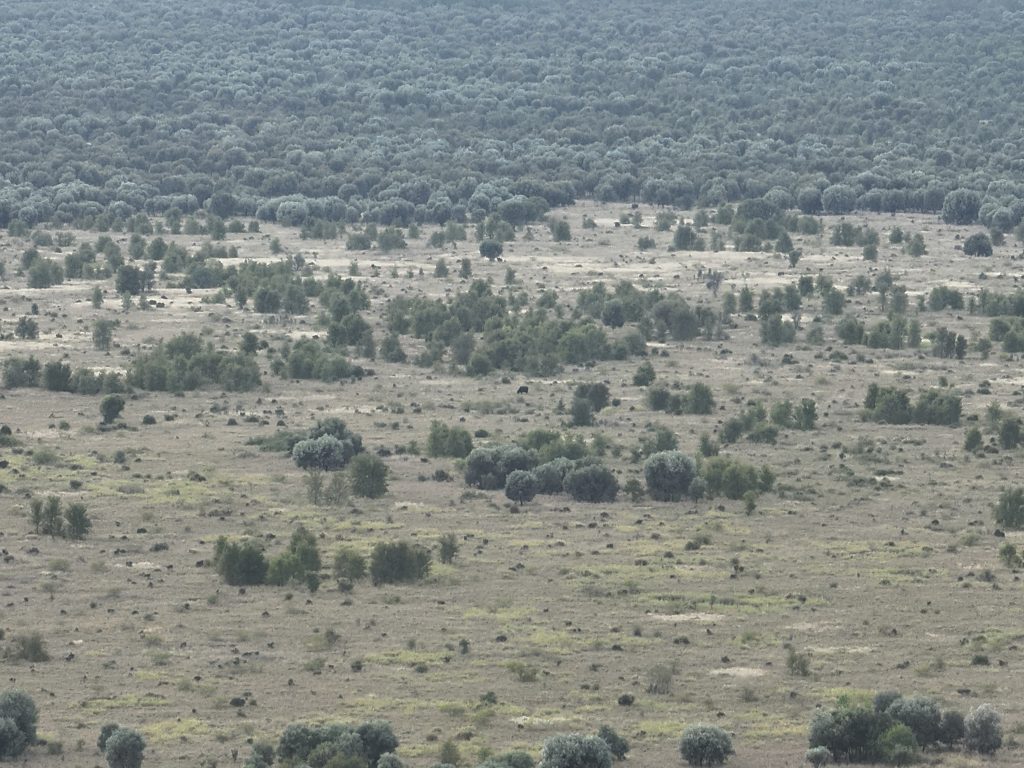
The brigalow regrowth country where the elusive cattle were hiding.
Property manager Alistair Potts said the animals – a mix of black bulls and Brahman-cross – were accustomed to hiding from heli-mustering in vegetation up to four metres high.
“They’re hard to see,” he said. “The black bulls especially, they learn bad habits faster. They get hotter faster, so they stop in the shade. They’ve learned to stand still under a tree and a chopper flies past them.”
Grazing near a mine site made the cattle fairly immune to noise, he said.
“They wouldn’t have known what a drone is.”
Nevertheless, using the drones required the smarts: “The style of beast we were chasing – those old bulls – you’ve only got one go at them or you lose them. They learn pretty quick,” Mr Potts said.
He was surprised by the drone’s range and sensitivity – being able to detect an animal from 120m above ground level. “It’s got a hell of a range – a lot further than what I though Jamie would fly at,” he said.
Mr Potts said the thermal drone had advantages of heli-mustering, notably cheaper costs.
“I reckon for the cost of a chopper, say $500 an hour to go out there and try to find those bulls … I don’t think you’d ever find them.
“The drone can muster the cattle in the dark, so that the horses can pick them up at daylight and get an earlier start. It beats the heat and makes it easier on animals and staff all round.”
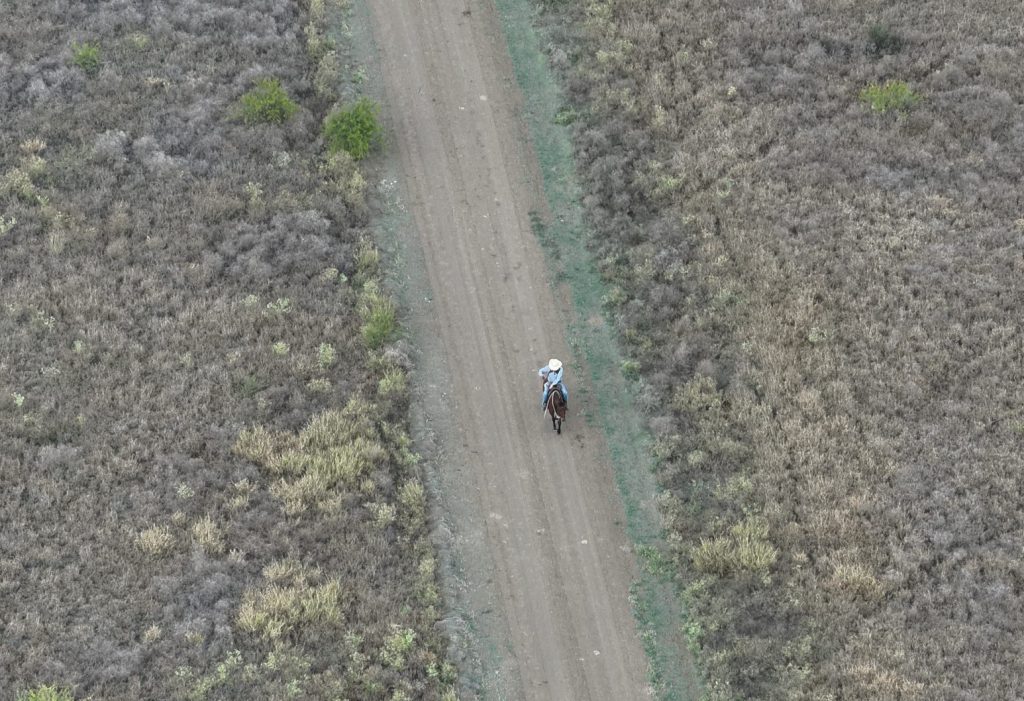
Stockhands (pictured) were directed to the cattle by the drone operator using two-way radio.
WOW !! Well, well, that’s exciting!
So, does this mean no more heading-out with a few good men, a good night-horse, on a clear, cold, yet bright moon-lit night … ropes-n-straps, and a mob of ol’ Coachers etc. … and all the fun and excitement those adventures may entail … ??