
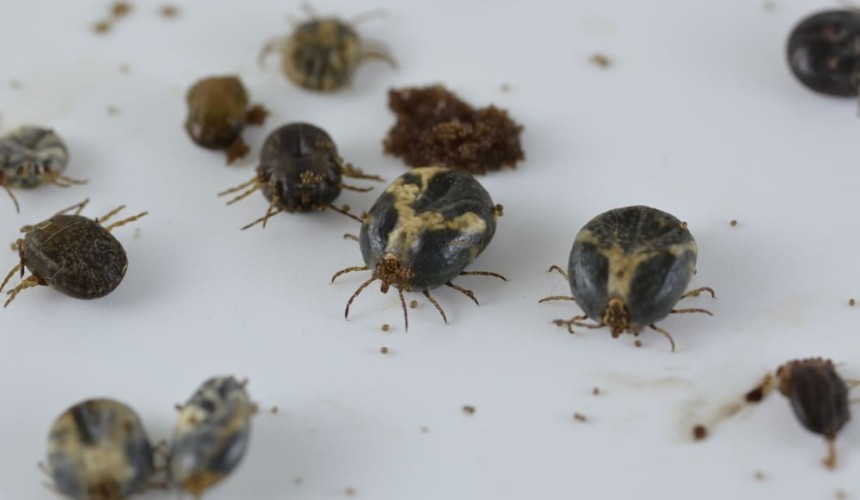
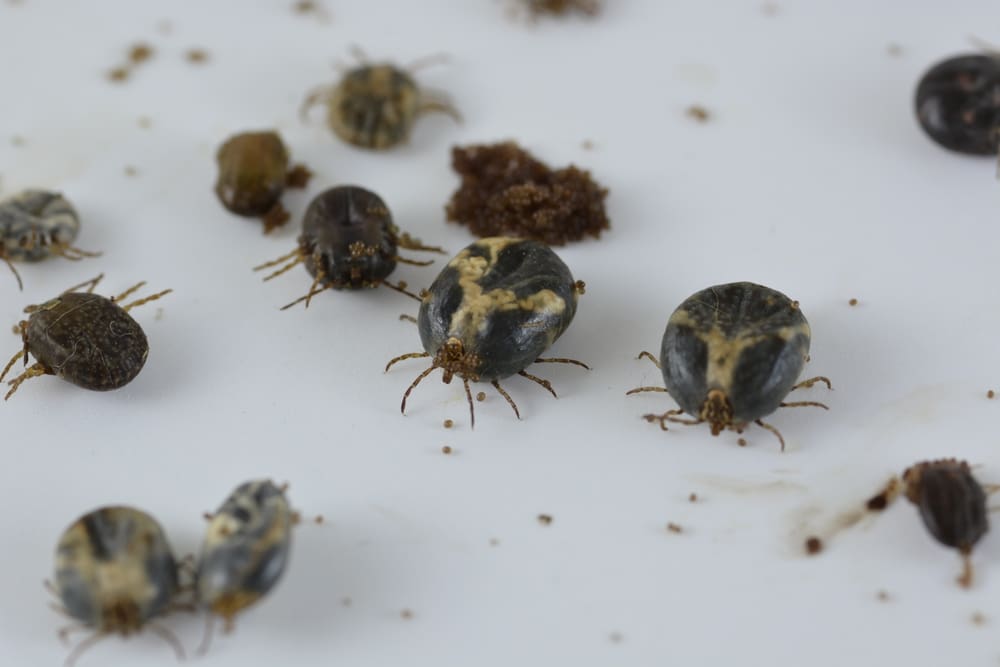
 A QUEENSLAND cattle producer with an interest in cattle tick management has warned producers in the south to keep an eye out for the notifiable pest on cattle from the north now the weather in warming up.
Beef Central has been told there have recently been cases of horses in Victoria with cattle ticks on them after travelling from Qld.
Agriculture Victoria said cattle ticks have occasionally been detected in Vic, most commonly through livestock movement from Qld, and are a notifiable disease under the Livestock Disease Control Act 1994.
“Cattle and horse owners are reminded to be vigilant and should contact their veterinarian or Agriculture Vic if they suspect their animals may be infested with cattle ticks or if they have concerns,” a spokesperson for Agriculture Victoria said.
Cattle are the main host for cattle ticks although they may be found on horses, goats, sheep, deer, camelids and buffalo.
Vic has robust protocols when ticks are detected, which can include quarantine, treating livestock and associated items (e.g. horse rugs) on the property; including pre-emptive treatment of other stock, and property management plans.
Qld has ticks in tick-free zone
The most recent outbreak of cattle ticks in the tick-free zone, that was made public, was the outbreak detected at the Roma Saleyards in November 2024.
At least nine Maranoa properties in the Bymount region were infested as a result of that outbreak.
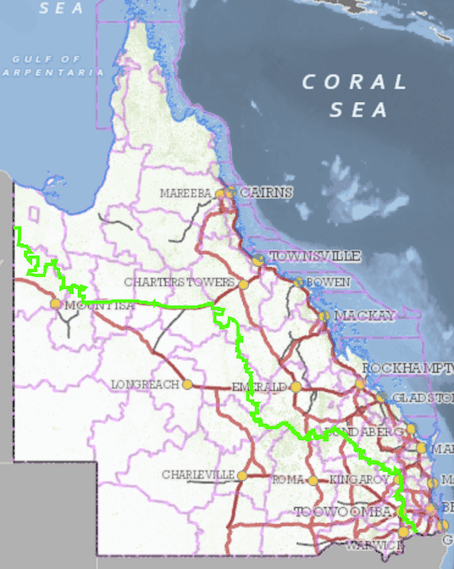
Qld cattle tick line.
When asked how many tick outbreaks there currently are in the cattle tick-free zone of Qld, a spokesperson for the Department of Primary Industries said numbers of infested properties in the tick-free zone are consistent with the seasonal conditions.
“The number of cattle tick-infested places in the tick-free zone varies year-to-year due to several factors such as weather, cattle population and livestock movement trends,” said a DPI spokesperson.
“The DPI recognises the time taken to eradicate cattle tick from infested land and declare properties ‘cattle tick-free’ varies widely due to a range of factors. Tick eradication requires a combination of diligent management and favourable operating conditions.
“As a result, the time taken for properties to return to tick-free status may take a period of months or years.”
Qld’s Assistant Minister for Primary Industry Development, Sean Dillon said the integrity of the tick line is solid but if people are in close proximity to an infected area, they can practice good biosecurity by having protocols in place.
“It is possible for ticks to survive interstate and as we approach the warmer months people need to be vigilant if they are purchasing cattle from the infected area in Qld and follow the protocols or if they have had cattle on agistment it is good to be extra safe and treat cattle which is a relatively simple process,” he said.
Vic unlikely to have ticks long-term
One veterinarian told Beef Central while horses are not the preferred host for cattle ticks, they can still go through a lifecycle coming off a horse, so have the potential to cause an outbreak.
 “The ticks will not be as viable coming off a horse as they would be coming off cattle, but if the horses have moved to Victoria in the spring or are infected over summer there could be a significant outbreak as they need moisture and heat.
“But will it last overtime? Probably not, I would think they would die out over winter in the south.”
Qld protocol for moving livestock
Qld’s DPI said people moving horses interstate must meet all travel requirements for moving horses through Queensland. When moving a horse from the cattle tick-infested zone to the cattle tick-free zone, they must be tick-free.
The requirements for moving livestock, including horses, from Queensland to interstate destinations can be found by contacting the relevant state department or viewing their website. Further information can be found on the Qld Government website.
Some cattle producers and livestock agents in the tick-free zone have told Beef Central they would like to see a control zone or buffer zone reinstated between the free and infested zones expressing that was where the majority of outbreaks stem from.
The control zone was removed in 2016 by the previous state Government.
“I can assure cattle producers, I am taking a keen interest in this issue. The situation hasn’t developed overnight and meeting this challenge will take time,” said Qld’s Minister for Primary Industries Tony Perrett.
“In just two and a half terms under Labor, the biosecurity workforce dropped by 20.2 per cent and there was an $18 million cut from biosecurity in the 2024-2025 budget.
“In the last ten months the Crisafulli Government has committed more than $50 million to deliver an additional 100 biosecurity officers across the state in the next four years.
“Our new Regional Biosecurity Lead for the southern region started work in late June and has already met with graziers in the south Burnett and at other places along the tick line to address concerns about cattle tick management, this work is continuing.”