
NOTHING quite gets the blood flowing like the drop of a hammer. It’s a case of going, going and hopefully, gone.
Property vendors who choose to go to auction expose their assets to competitive tension and the entire market, but they can also maintain control of the process by selling if their reserve price is met.
The property market tends to show cycles, with the auction marketing strategy gaining support at some times, and expression of interest during others.
In this week’s property review, two rural real estate specialists talk about the open and even playing field delivered through the auction system.
Liam Kirkwood, Ray White Rural
Liam Kirkwood is the principal of Ray White Rural Townsville. He said given the current market, North Queensland buyers appreciated the auction process because they knew vendors are keen to get a result.

Liam Kirkwood
“There are many places sitting on the market that haven’t transacted. Some buyers are dubious about whether they are genuine sales, or whether vendors are just testing the market.”
Mr Kirkwood said when it comes to achieving a result, auctions appear to be ringing true for sellers.
“Ray White Rural has always been a big pusher of auctions because at the end of the day, the auction room is the best indication of market price.”
“Paying for an advertising campaign shows a vendor is committed and serious about accepting a market price on the day,” Mr Kirkwood said.
He said there was a perception that properties that haven’t sold as private listings was because they were listed above market expectations.
“Potential buyers fear it is not worth their time and effort to conduct due diligence on these assets because vendors may not budge on price, and the same goes for expressions of interest.”
“In the auction room, buyers know where they stand and more often than not, it achieves the best result on the day,” he said.
Mr Kirkwood identified several types of buyers in the market.
“Most are selective and looking for specific locations. Some are seeking neighbouring properties and if they miss out, don’t look any further. Others are entry-level players or producers looking to expand their existing operation, and if they miss out, will move to the next opportunity.”
He said plenty of producers were looking to expand, however it was not like the COVID era, when hundreds of buyers were waiting in the wings wanting to buy a property.
“Today, there is more choice and buyers have become more measured and selective in their approach.”
Seasonal strategy
While many properties are being held back until the spring because it is seen as a good time to market a holding, Mr Kirkwood said some properties may lose two or three potential buyers who are prepared to transact now.
 “Most buyers are happy to look past seasonal conditions, particularly in Queensland where the winter has been kind. Harsh frosts can impact how a property presents, but that hasn’t been the case this year.”
While talk of falling interest rates has some impact on the property market, Mr Kirkwood said most buyers budgeted on the interest rates at their current level.
“Given the commentary around interest rates, most are happy to act now rather than wait for another rate change. Everyone feels comfortable knowing interest rates are not going to head up, and if they are slashed, that is a bonus. And producers are also comfortable knowing the cattle market has moved in a positive direction.”
Transparency
Mr Kirkwood said at the end of the day, the auction process was a more transparent system.
“Today, people are seeking transparency. Previously, it was overlooked due to a lack of stock on the market. However, with more choice on the market, many buyers are looking beyond expressions of interest campaigns and heading to auctions.”
“When it comes to EOIs, many people approach their banks unable to provide a price guide for a property they are interested in purchasing. Some banks respond saying it is a waste of time conducting pre-approval loans for an unknown sum,” he said.
Mr Kirkwood believes there is a place for EOI campaigns, particularly for unique or diversified farming operations.
“Any properties that stimulate corporate involvement are typically offered by expression of interest, particularly because corporates don’t attend auctions.”
Mr Kirkwood said EOI campaigns could be frustrating if they dragged on for months.
“A buyer who has submitted expressions of interest on a property can’t make an offer on another one because they’re waiting to see if they have been successful.”
“Unfortunately, if they miss out on the first property, they may have also missed out on a second while waiting to hear back about the first. At the end of the day, they have missed out on two properties and that is what can be frustrating.”
He said with an auction process, buyers understood they have a six-week period to inspect the property and get finance organised, and in six weeks’ time, will know whether they have been successful, or whether it is time to move on.
Andrew McCallum, Nutrien Harcourts GDL
Andrew McCallum is the head of Nutrien Harcourts GDL and works with a sales team covering 24 regional locations in Queensland and three in the Northern Territory.
He said the company leans towards the auction process because it creates results and momentum and achieves a fair market price.
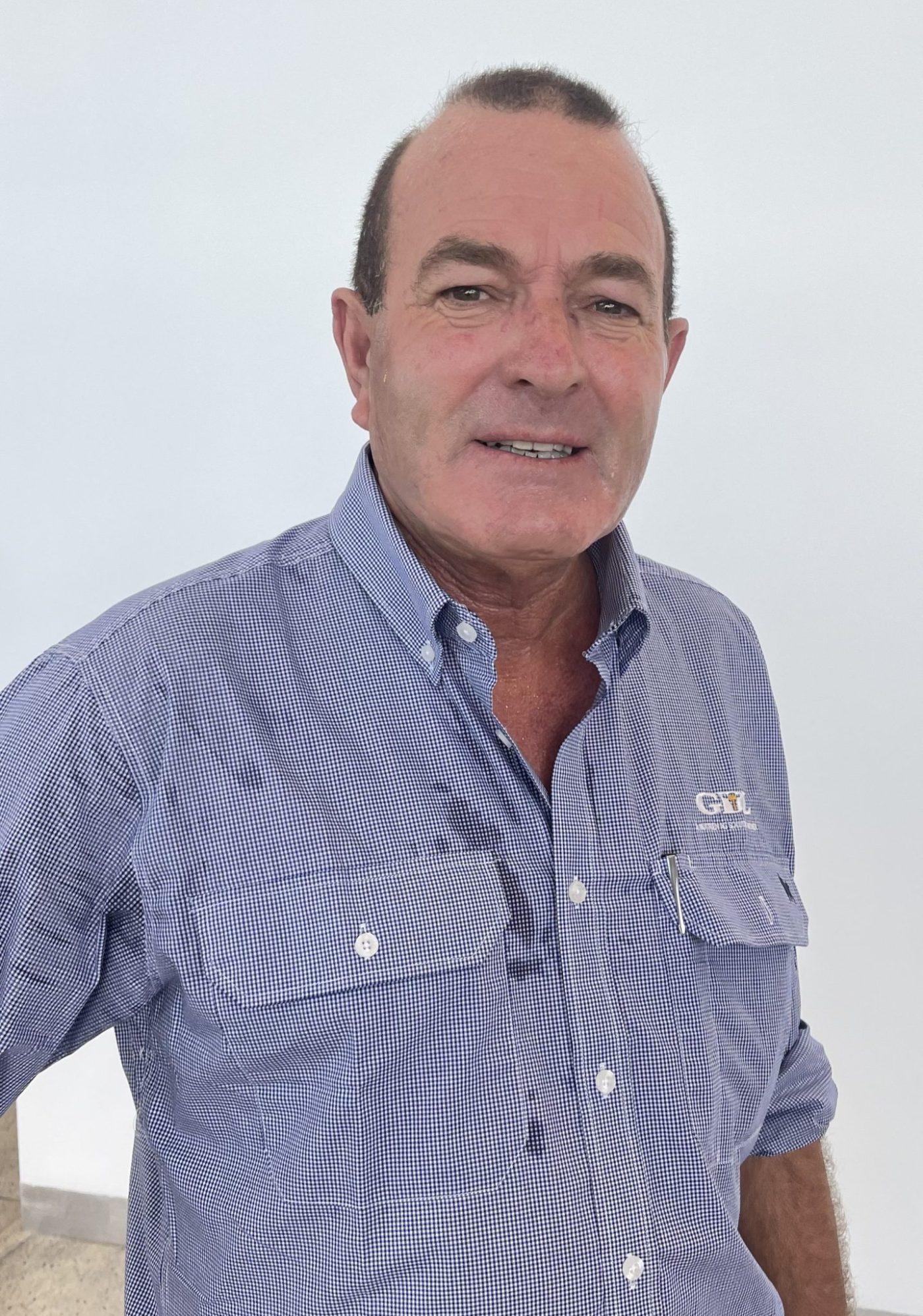
Andrew McCallum, Nutrien Harcourts
“Auctions are a popular selling method. They are an accelerated marketing strategy that generates activity and competition, and a sale date for the vendor. On the auction floor, a sale is unconditional which means the people who are operating have the ability to settle.”
While some vendors preferred auctions, Mr McCallum said others liked expressions of interest campaigns or listing properties with a price.
“In some cases, vendors don’t want to go to auction because they are private and don’t want sale details made public. Others may not like the pressure or possibly haven’t experienced an auction and don’t understand how the system works.”
No ‘one size fits all’
He said every buyer was different and so were their circumstances.
“It is important to consider the current market conditions and the property’s location. No one case fits all. It is a matter of where the vendor is comfortable and where the market is at the time.”
“An EOI process certainly suits properties that are more complex. It depends on the structure of the buyers and whether the asset is aimed at corporate or overseas investors who, typically, can’t operate under auction terms and conditions,” Mr McCallum said.
When a property is listed for private sale, he has noticed potential buyers question the price and sit back, rather than showing early interest.
“Private sales and EOI campaigns can drag on, so, in some circumstances, these sales methods may not be as transparent for the buyer. On the upside, potential buyers who are prepared and ready to make an offer on a property and that miss out, are well positioned to move forward on the next available property.”
Mr McCallum said the auction process was transparent in terms of price and where people perceive market values are currently sitting.
“Personally, I like the auction system because it puts an asset to market and draws interested parties. During an inspection, the buyer is concentrating on the property, not the price. The price becomes a secondary factor. They are considering whether it meets their requirements and evaluate it on their business model.”
“On auction day, those in the room can be confident if they have registered to bid. They watch the sale unfold and can make an informed decision on where they want to start and finish,” he said.
Mr McCallum said while most vendors have a price in mind, auctions determine where market values are at.
“That means at the end of the day, vendors will receive a fair price for their property.”
Recent auction results reported by Beef Central include:
- 21,277ha Brookdale Station in North Queensland sold under the hammer to John and Sue Clarke and family from Almora Station for $14.5 million on a walk-in walk-out basis including around 2754 of cattle.
- North Queensland’s 23,800ha Glencoe Station sold under the hammer for $35.5 million, on a walk-in walk-out basis, including 5000 quality grey Brahman cattle, to Pentland’s Rhett Camm from Lolworth Station.
- Central Queensland’s 993ha Nine Mile West sold under the hammer at auction to neighbours Jeff and Ryan Holzwart for $6.25m ($6294/ha).