
Spring sets the tone for the year ahead – but it also puts pressure on your herd. Forage may look plentiful, yet often lacks the protein and nutrients needed for calving and lactation. Without the right support, cows can fall behind, delaying cycles and costing fertility, kilos, and profit.
Are your cows set up to calve every 12 months?
Spring stress on cows
Green feed doesn’t always equal good feed.
Pastures can be high in fibre but short on protein, leaving cows short of energy just when they need it most.
During calving and early lactation, this nutritional stress can delay cows cycling again, which reduces conception rates.
Variable spring weather, from cold snaps to dry spells, puts pressure on fertility and herd condition.
Research from Oklahoma State University found that cows maintaining body condition after calving achieved a rebreeding rate of 94%, compared to just 73% in cows that lost condition.
Therefore, even short-term nutritional gaps in spring can have long-term impacts on fertility and productivity.
The true cost of deficiencies
If cows fall short nutritionally in spring, the impact can be costly. Missed cycles mean fewer calves on the ground and lower weaning weights next season. Deficient cows are also slower to recover after calving, more prone to weight loss, and less resilient to disease.
Even short-term nutrient gaps around calving can drastically reduce colostrum yield – by up to 18% in cattle and 52% in sheep – and severely compromise passive immunity transfer[1]
In northern and dry tropical systems, inadequate colostrum and immunity often result in calf mortality exceeding 10%[2], posing an unsustainable toll on herd productivity.
The bottom line: Lost fertility, lost kilos, and lost profit right when your herd should be building momentum.
Bridging the nutritional gap
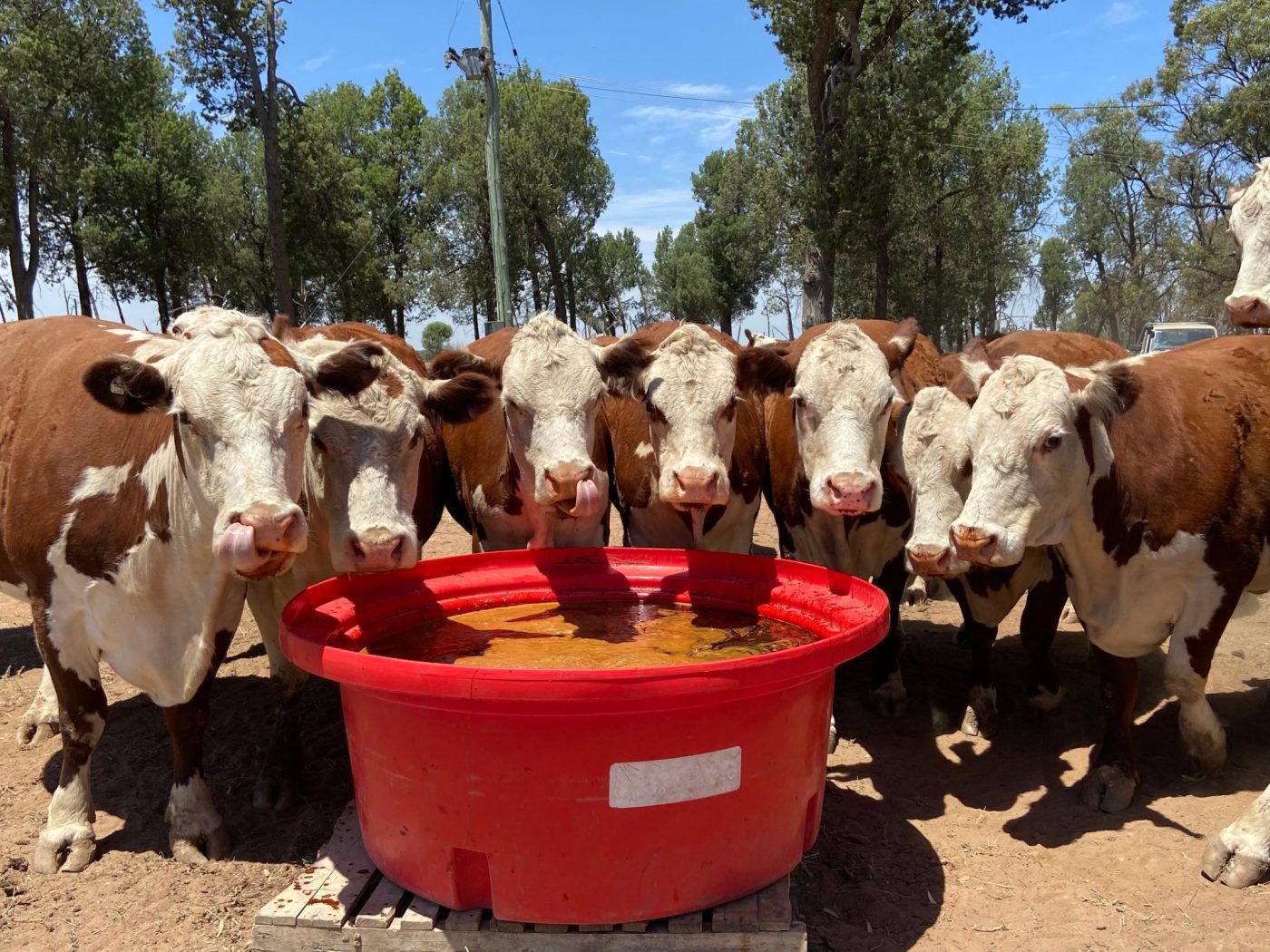
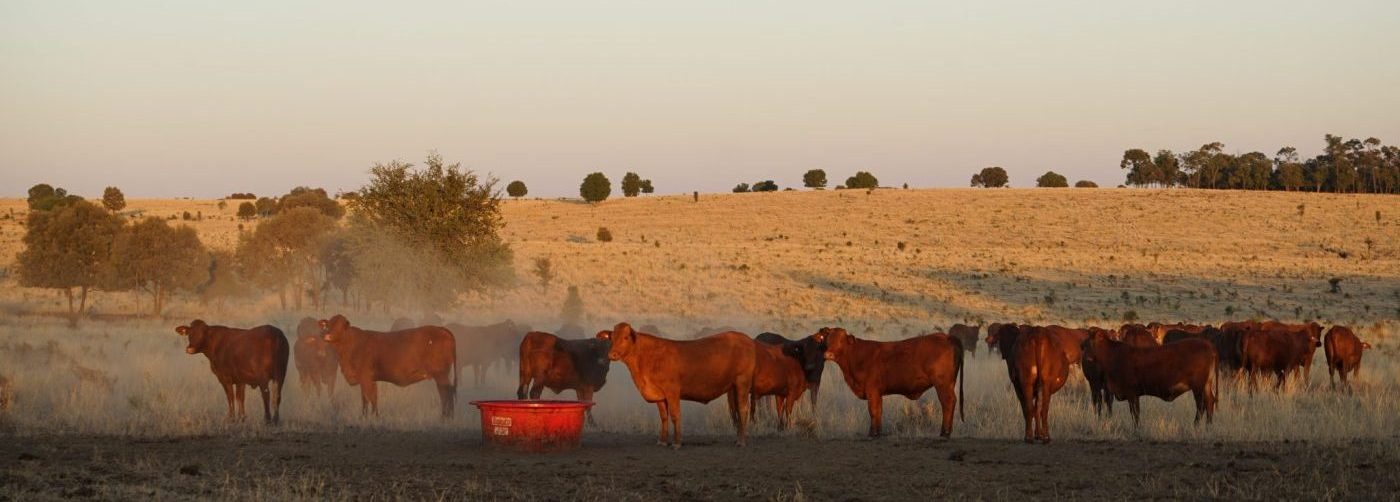
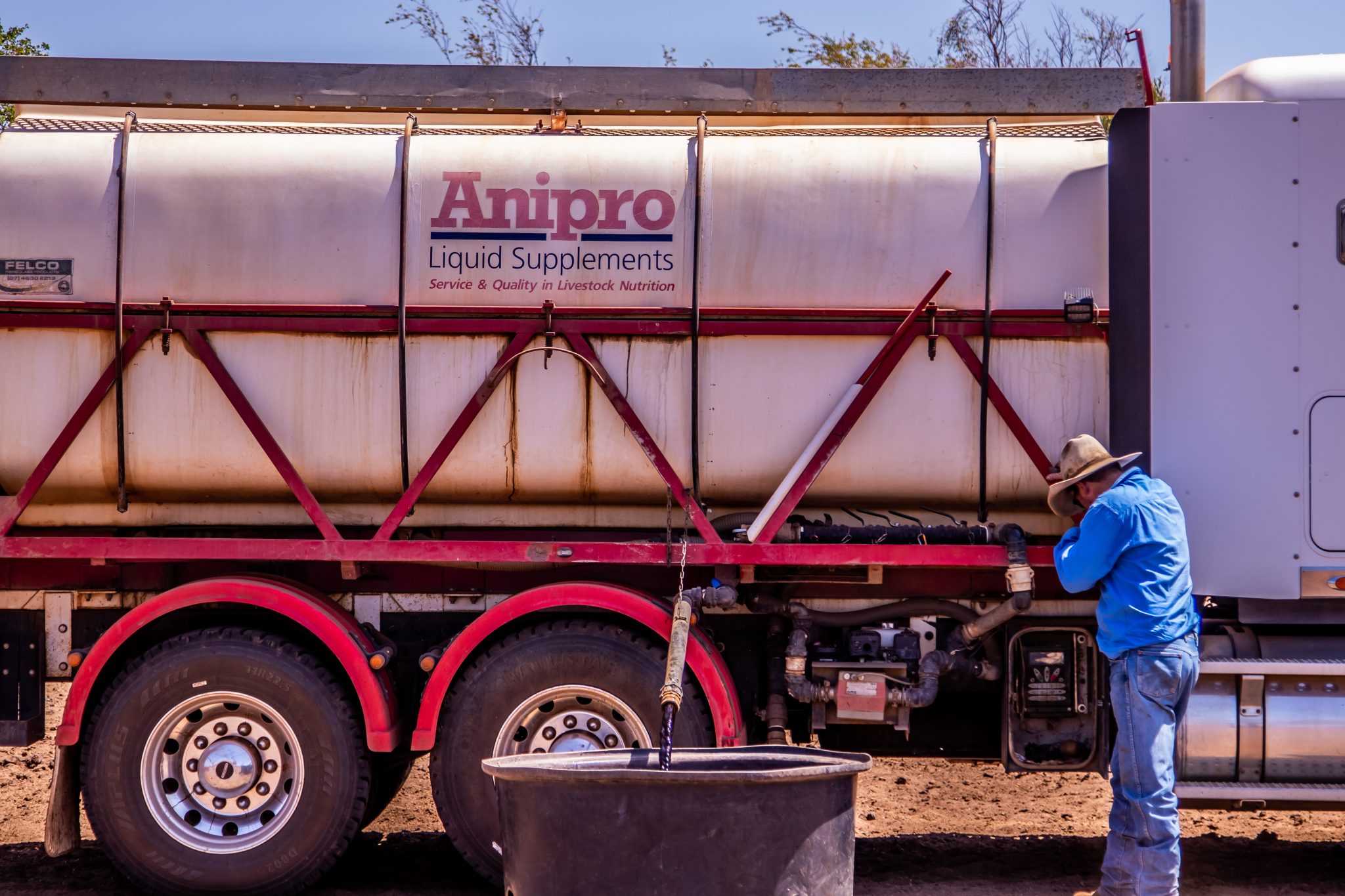
Proven supplements like Anipro can help bridge the spring nutritional gap by providing protein, minerals and vitamins in a highly consistent liquid form.
With a steady nutrient release that improves forage intake and digestion by up to 30%, Anipro helps cows maintain condition through calving and return to cycle sooner – supporting reliable fertility outcomes for years to come.
The benefits of using Anipro is mainly the conception and calving rates. We run at a 98% conception rate which is amazing.
Phillip Marheine, ‘Joselands’ Willow Tree, NSW
Consistency is key
Experienced producers know that spring performance sets the tone for the year ahead. That’s why strategic supplementation isn’t just about production boosts – it’s about protecting fertility.
Tailored to the needs of your herd and local conditions, products like Anipro provide the consistency that pasture alone can’t deliver, keeping cows in optimal condition before, during and after spring calving.
The result? A healthier, more productive herd and a higher likelihood of a calf every 12 months – season after season.
Ready to set your herd up for year-on-year success? Speak with your local Anipro Nutrition Specialist to plan how to protect fertility this spring: Learn more
[1] Silva L. F. P., Coimbra L. G. S., Eyre K. (2023) Malnutrition of pregnant beef cows and the impact on passive immunity transfer to calves. Animal Production Science 63, 1970-1982.
[2] Silva L. F. P., Coimbra L. G. S., Eyre K. (2023) Malnutrition of pregnant beef cows and the impact on passive immunity transfer to calves. Animal Production Science 63, 1970-1982.
Seasonal joining and strategic (early) weaning are the keys to enhancing cow body condition, and thus pregnancy rates. This is old technology.
good information for us farmers