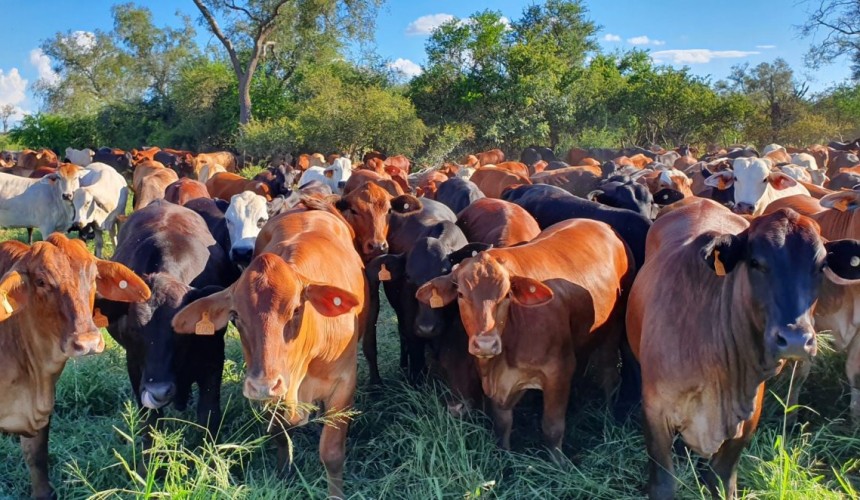
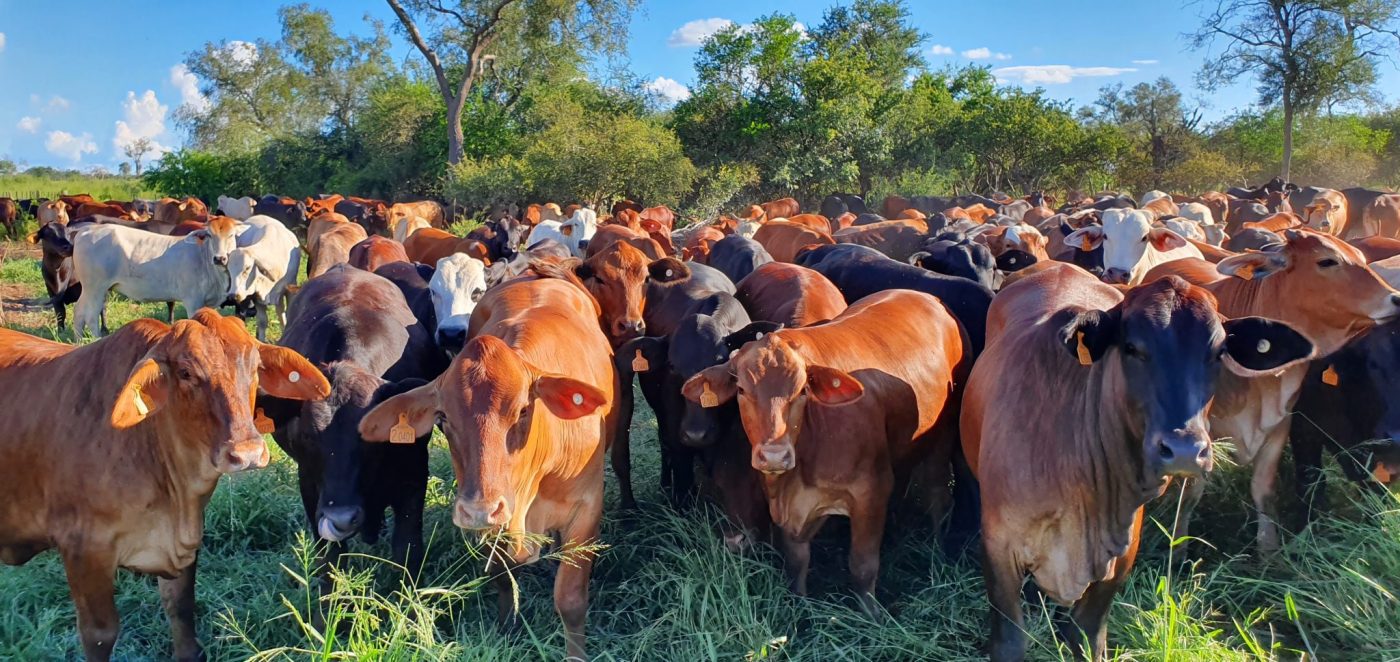
Current stock numbers are about 49,000 head of predominantly high-quality Brangus cattle.
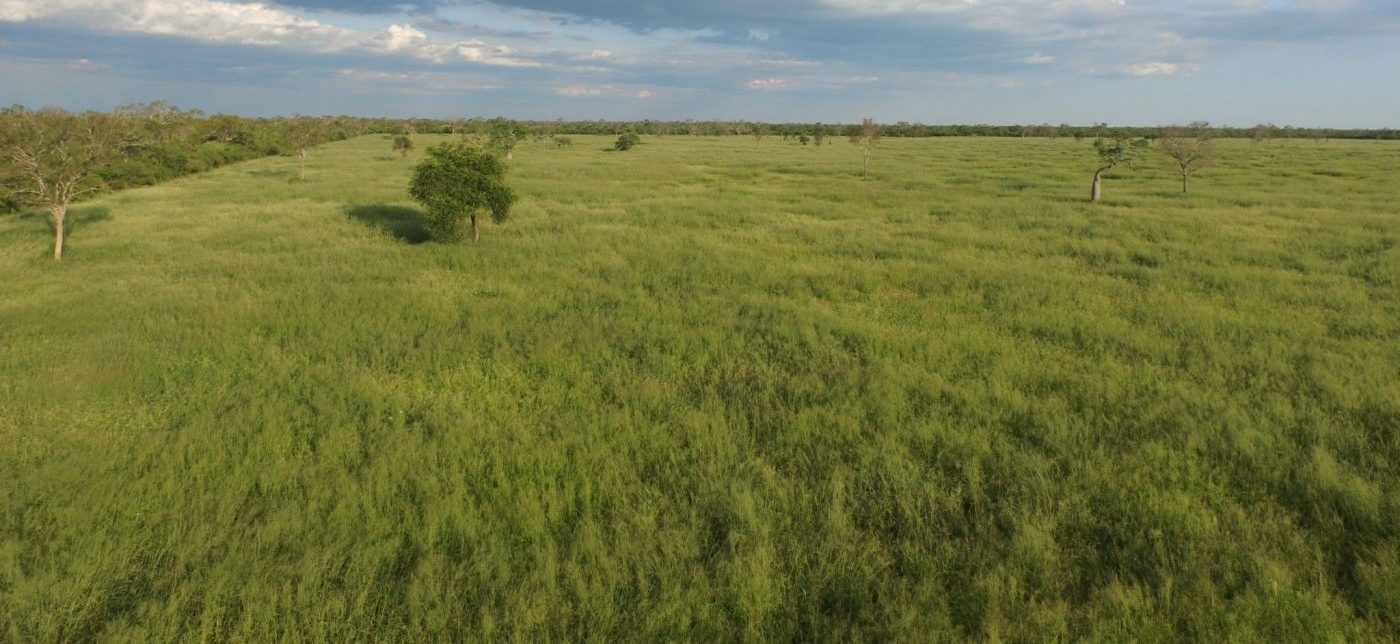
A unique large-scale cattle investment opportunity is available in Paraguay, with an institutional quality 44,000ha Freehold, premier grassfed beef breeding and fattening operation in the heart of the Gran Chaco region.
Beef industry booming in Paraguay
The beef industry in Paraguay has surged ahead in recent years.
Paraguay surpassed US$2 billion in beef export revenues for the first time in 2025, exporting about 355,000 tonnes (excluding offal).
Agriculture plays a central role in the nation’s economy, serving as a major source of GDP, employment, and export revenue. Beef and soy dominate this agricultural engine: Paraguay ranks among the world’s leading exporters of beef and top global producers of soybeans, driving sustained demand for pasture and high-quality cropland.
The cattle sector has benefited from rising global beef prices, with yearly-average export prices reaching US$3.97/kg in 2025, up from US$3.26/kg in 2024, a 21 percent increase, and half the price and cost of the US and EU ex-farm market values.
New trade agreements are further expanding the reach of Paraguayan agricultural exports, including a trade deal with the United States and more recently, improved access to the European Union market through the potential Mercosur trade deal.
Production costs and farmland prices remain significantly lower in Paraguay than in neighbouring countries and far below comparable land in developed markets, even though Paraguay offers favourable climate conditions, fertile soils, and efficient large-scale farming potential. This combination suggests farmland is undervalued relative to its productive capacity and global competitiveness.
At the same time, Paraguay offers a stable and investor-friendly environment. Macro-economic stability, pro-market policies, and strong protections for foreign investors support long-term capital deployment.
During the year 2025 S&P upgraded its previous rating of BB+ to BBB-. Moody’s also upgraded its ratings from Ba1 in 2022 to Baa3 in 2024, Paraguay retained its BB+ from Fitch and was updated with a “Positive” Outlook in 2025.
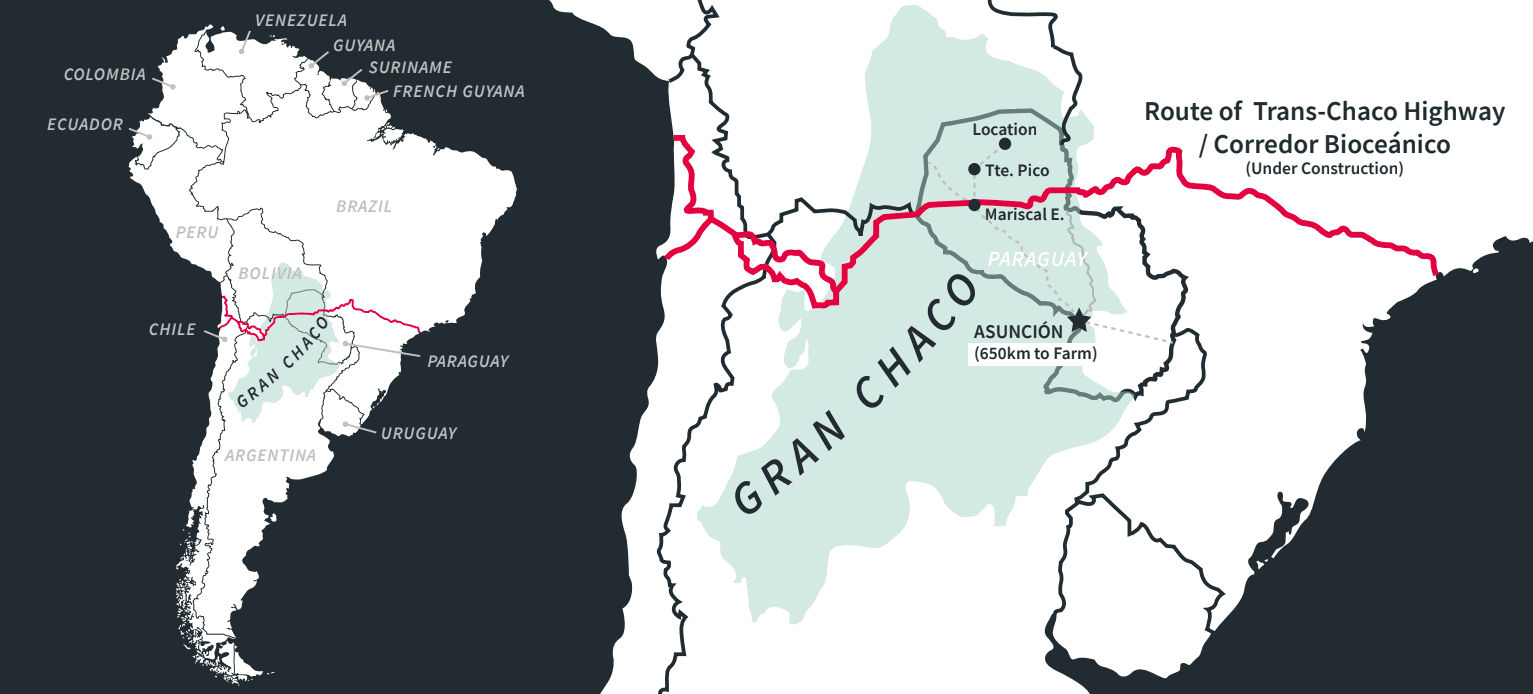
The current government actively promotes foreign investment and infrastructure development, most notably through major highway projects such as the Bioceanic Corridor, which will transform Paraguay’s access to Atlantic and Pacific ports and sharply reduce logistics costs for exports. Expanding export markets, cheap hydroelectric energy, and trade integration through Mercosur further reinforce Paraguay’s position as an increasingly strategic hub for agricultural and farmland investment.
Institutional quality agribusiness opportunity
As value continues to build in Paraguay, Brown&Co is continuing to market the large-scale, institutional quality agribusiness in the Paraguayan Chaco, “La Huella.”
With continued growth and development since its initial acquisition in 2008, the business has developed into one of the premier beef operations of its kind in the country. Carrying capacity has continually improved and current stock numbers (both on the main holding and leased land) are currently circa 49,000 head of predominantly high-quality Brangus cattle.
Charles Whitaker, Managing Partner of Brown&Co, said: “The scale this opportunity presents is rare in the current climate, particularly in an operating environment where freehold land ownership is possible – combined with a low cost, low carbon operation that has proved immune to grain price volatility and energy cost rises.
“Our view is this is a unique opportunity in a rapidly developing part of the world which both food security mandates, beef supply chain and institutional investors are finding increasingly compelling.”
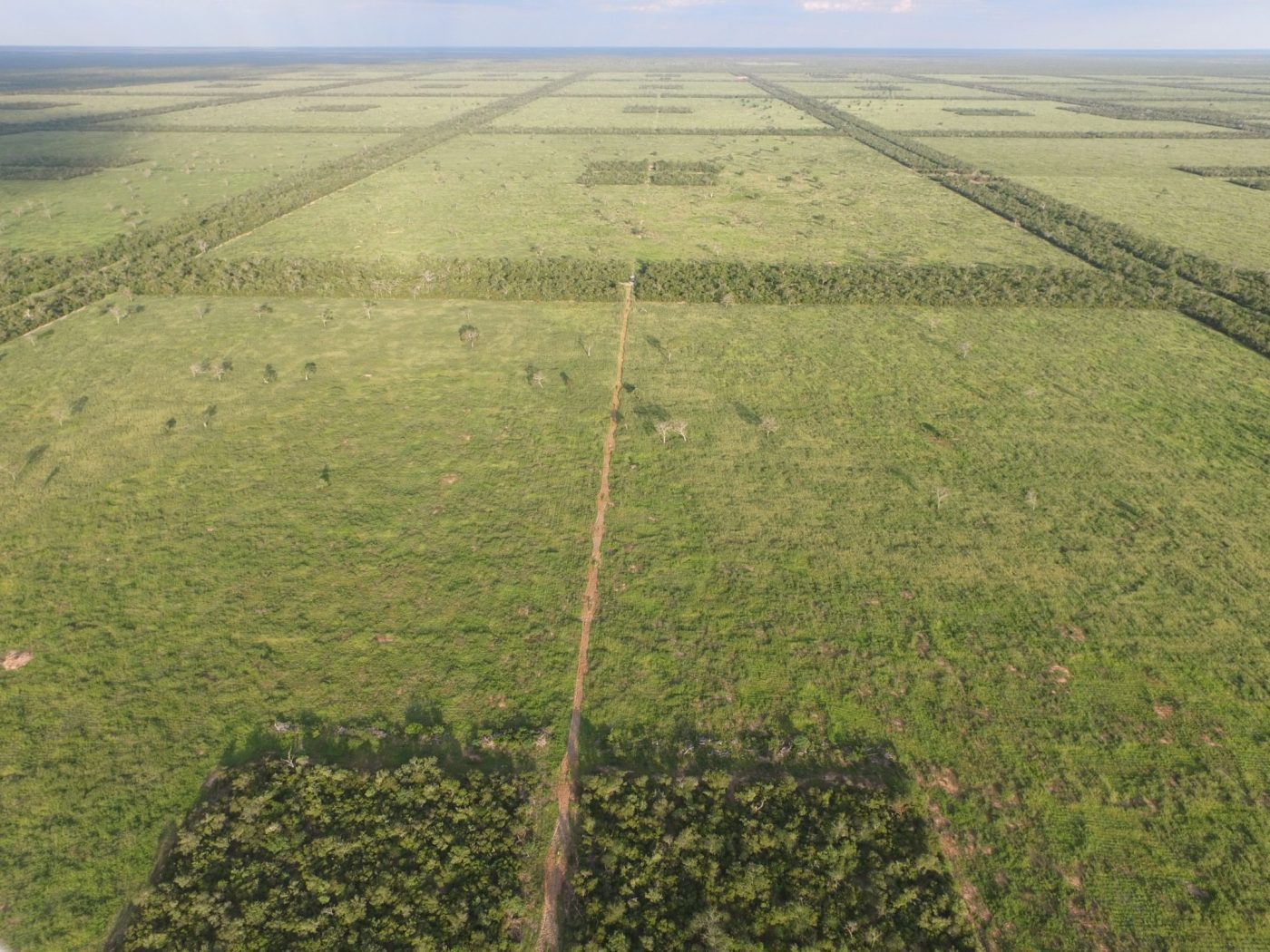
In addition to 44,000 ha of freehold land – there is a further 16,000 ha of leasehold land together with established and profitable share farming operations. The business has a successful track record of establishing, operating and managing 49,000 head of cattle across a fast-growing pasture and cell grazing platform with adoption of leading innovation, technology and genetics at the core of the operation.
“The investment environment for those seeking long term, scalable investments is positive and stable and consistent ongoing investment is improving the outlook for logistics and access to markets,” Mr Whitaker said.
“A good example of this is the Bioceanic highway currently under construction which will link the Pacific and Atlantic coasts and reduce logistics costs, further improving the competitiveness of the region.
“Over the medium and longer term we expect this to open up the Gran Chaco to significant development in the same way that we have seen in other parts of the world that have seen investments in infrastructure and logistics.”
Map of the Corredor Bioceánico
ESG, Carbon and Biodiversity
With about 18,500ha of forest reserve (within the 44,000ha freehold land), the business is well positioned to maintain and build on strong ESG practices including animal welfare, low carbon impact, high efficiency water capture and use, active wildlife and biodiversity nature conservation programmes and potential for carbon sequestration alongside efficient cell grazing practices.
Water & Infrastructure
A comprehensive water and infrastructure investment program has been implemented on the aggregation, together with an innovative, digital, patent-pending water monitoring and control system.
Eighty percent of the water required by the holding is derived from dam collected rainwater in the summer rainy season (November to April) and stored in large gravity-fed collection dams before being solar-pumped up to Australian-made tanks. Each dam and tank is supported by a borehole and solar pump for additional capacity in the dry season.
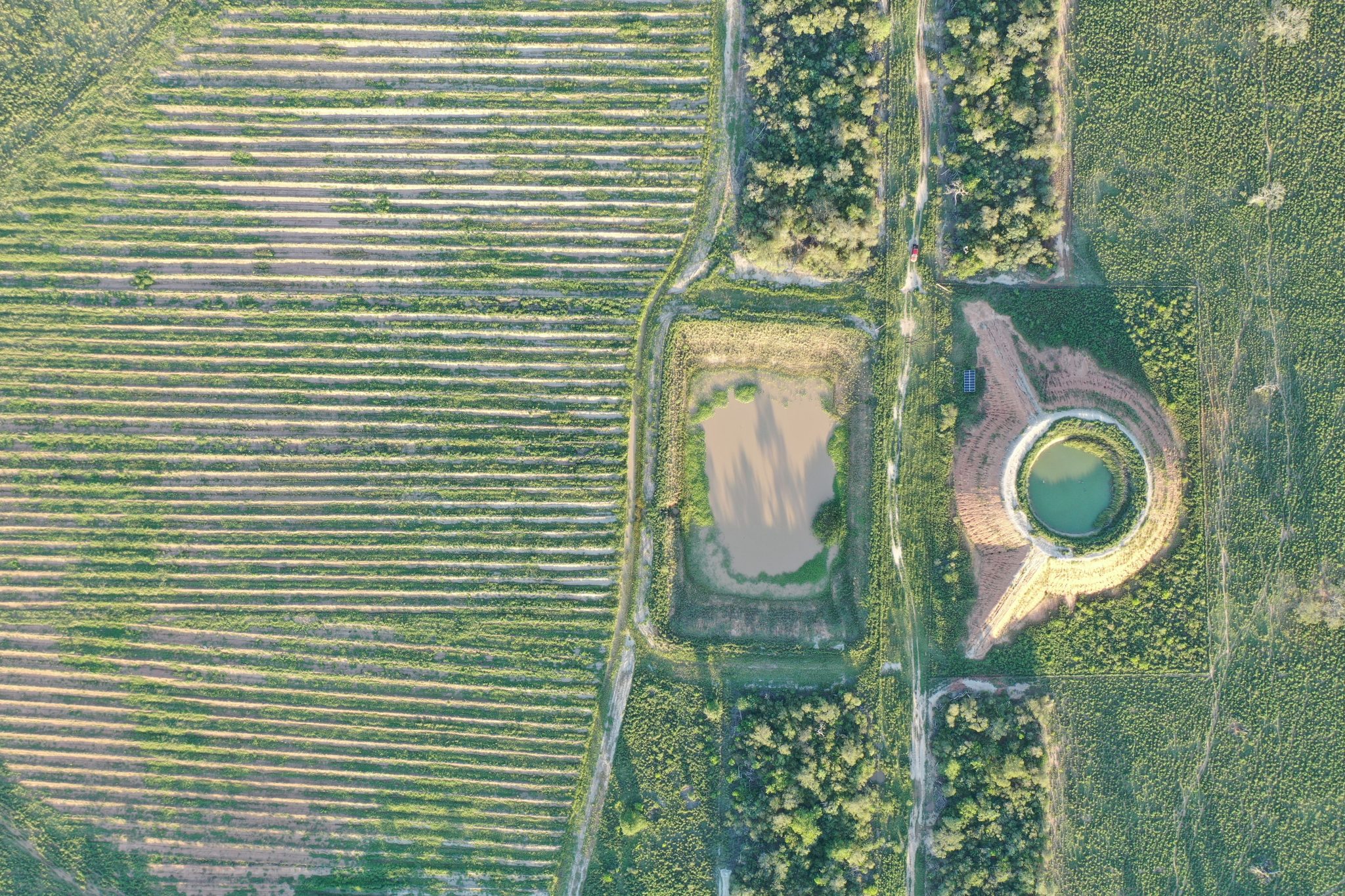
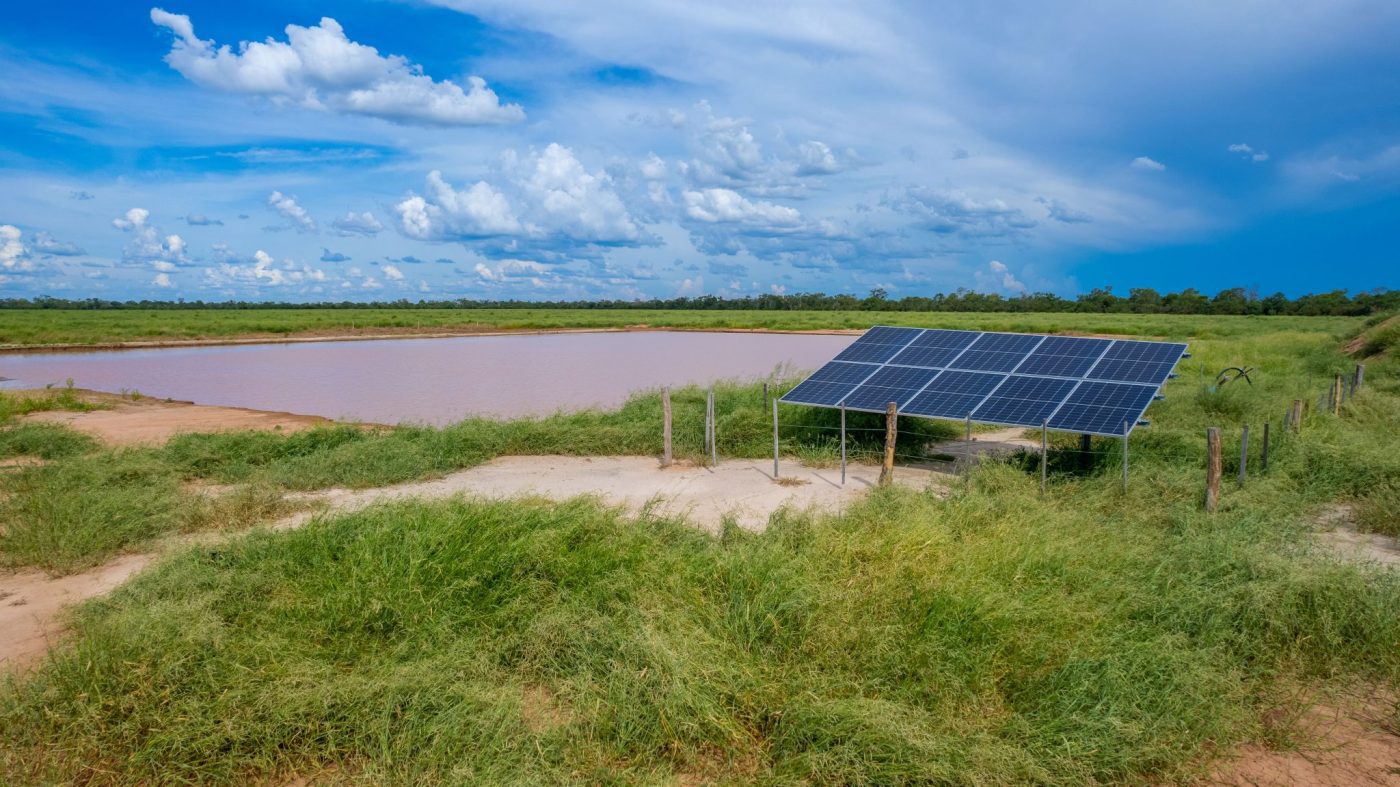
The property has 27 tanks, boreholes and dams, and 279 drinking troughs. Click on images for a larger view.
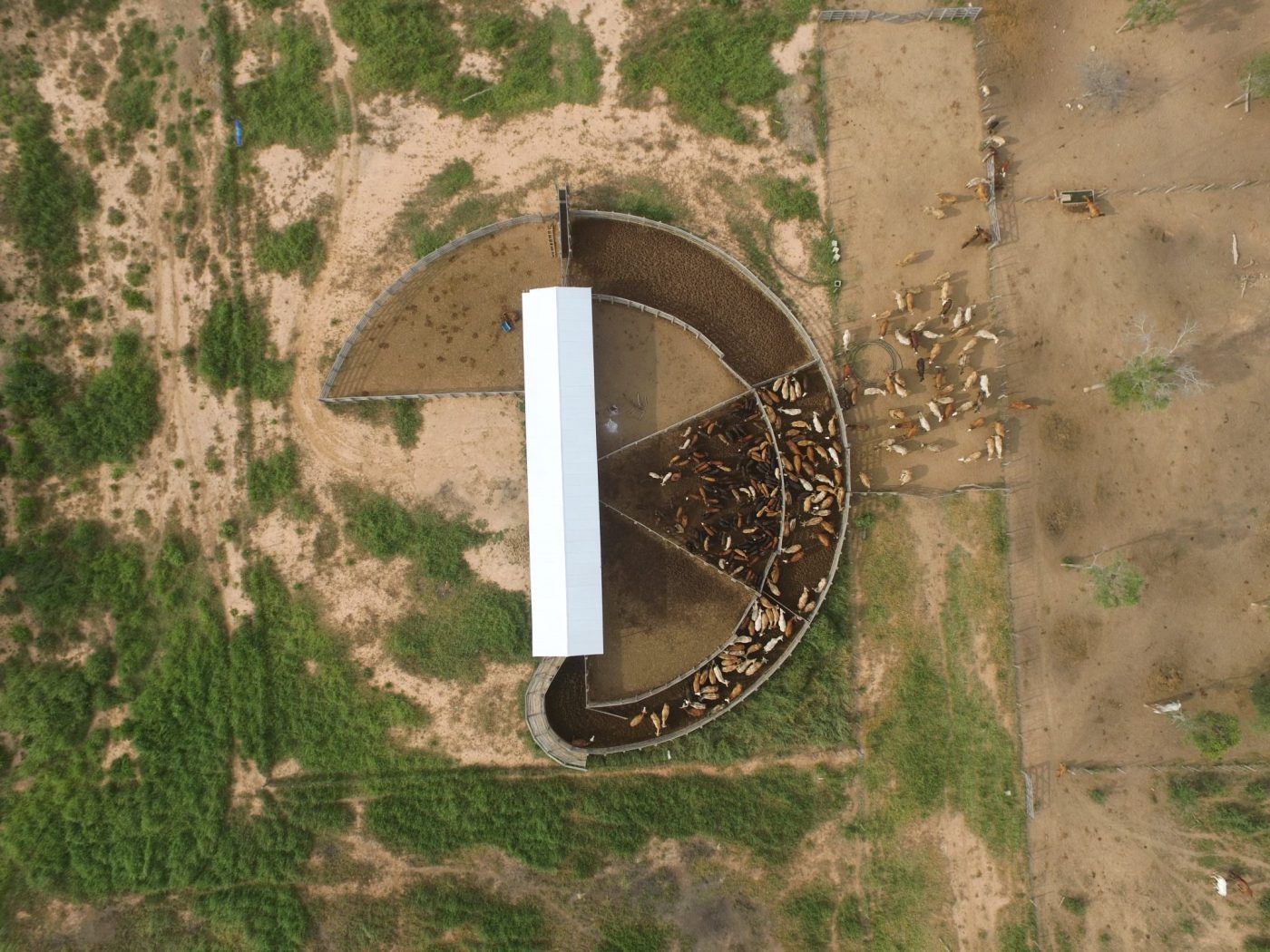
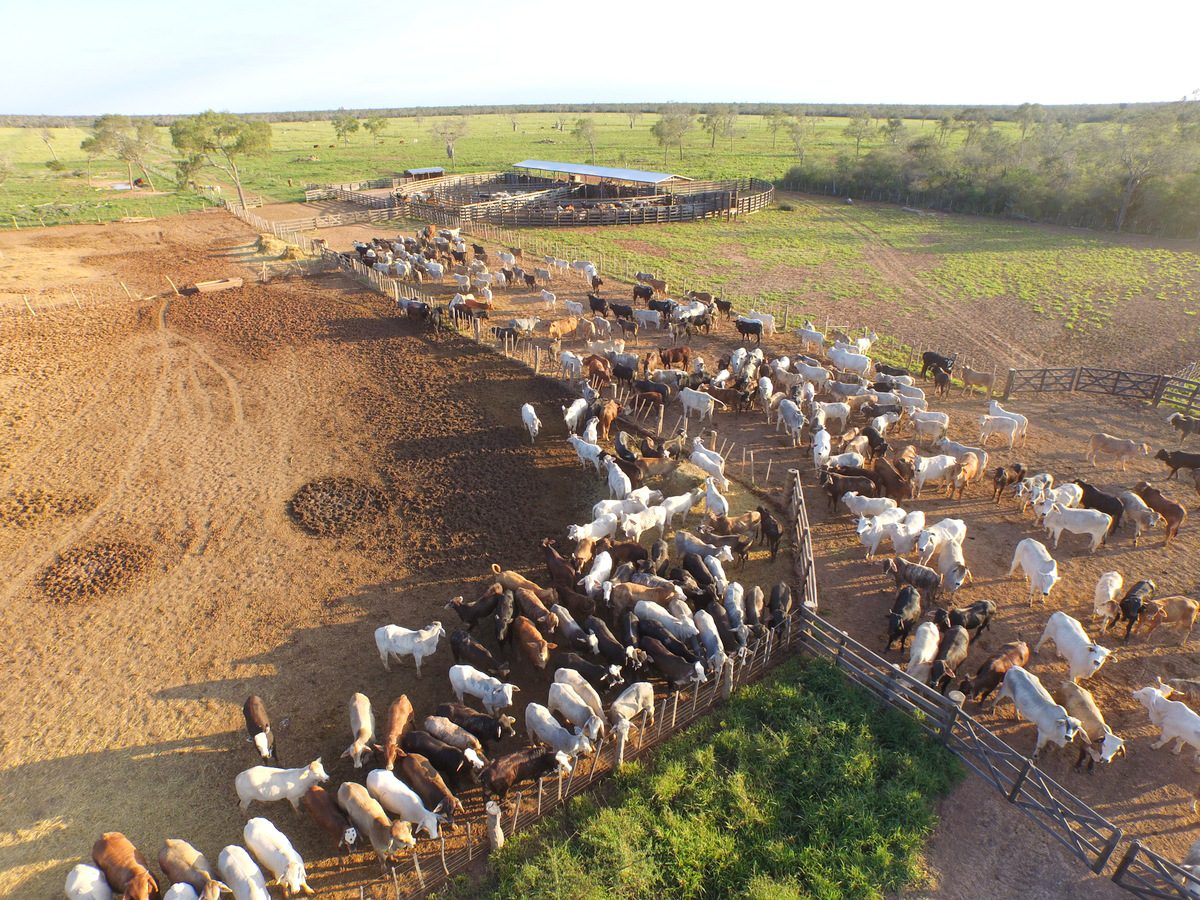
The holding includes 11 cattle handling facilities. Click on images for a larger view.
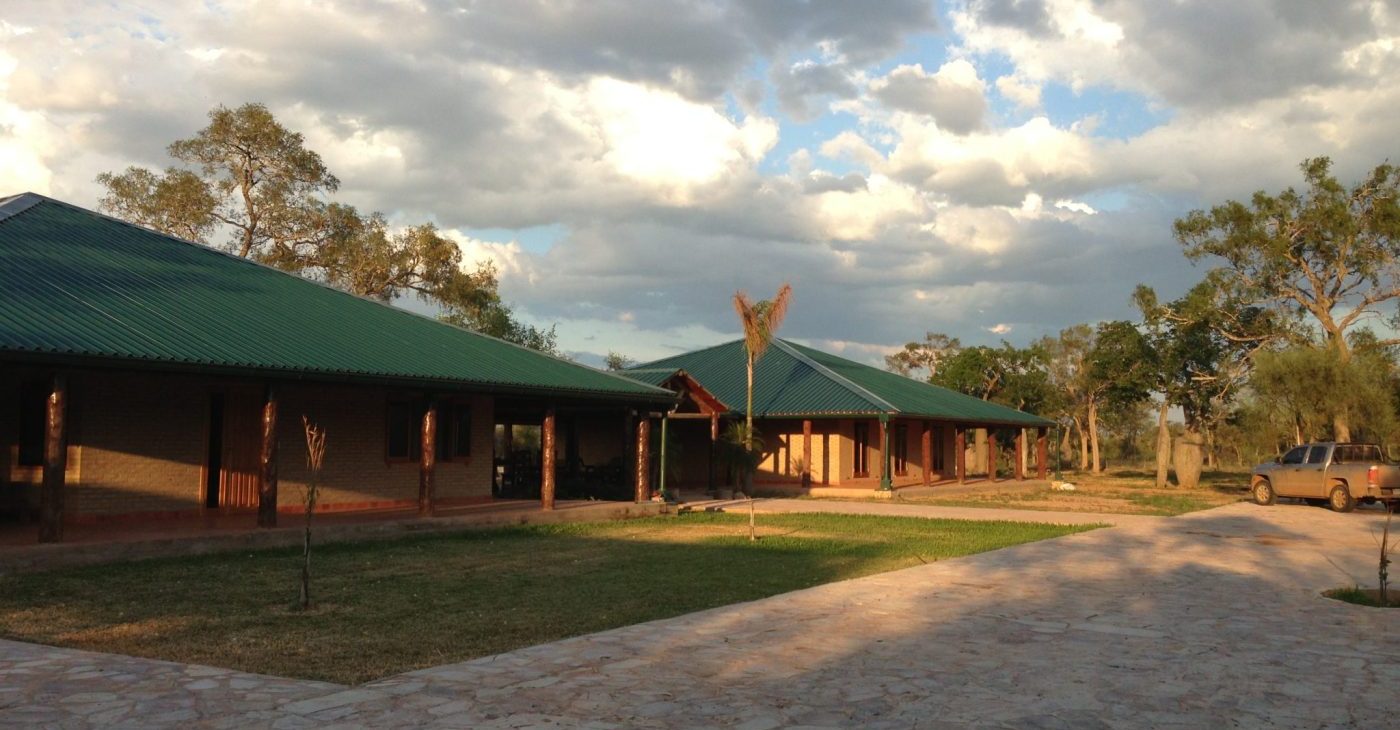
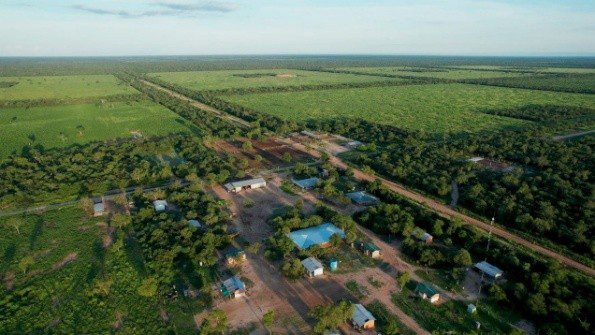
The property has a principal homestead, 30 staff houses and ten storage buildings and offices. Click on images for a larger view.
Brown&Co’s Charles Whitaker said: “I believe any party seeking a large scale, low cost, sustainable grass-fed beef opportunity should be looking at this asset.
“The quality of the management team together with investments made into infrastructure, water and genetics means this is an opportunity that is ready for an investor seeking best-in-class management and a growth platform from a large-scale, cash producing, premium business.
“We suggest the asset would suit institutional investors, or family offices demanding agricultural assets in the greater than US$90m market segment with good cash yields and positive prospect for land appreciation combining to deliver 10pc+ IRR returns.
“We believe $1500 per hectare and over 100kg beef production per hectare per annum to be globally competitive and attractive to those in large scale beef supply chains seeking a lowest cost scalable production platform.”