
A NEW wave of concern is sweeping the Australian cattle industry as the damaging impact of continuing to use single active drenches on cattle growth comes to light.
Industry urges shift to combination drenches
Single active drenches are alarmingly ineffective, leaving a staggering 40 percent of worms untouched1-7. Despite this, they still dominate treatment against cattle worms, accounting for 80pc of all drenches administered in Australia – a colossal 25 million doses annually8 .
Industry analysis estimates that the continued use of single active drenches results in a 72,000 tonne shortfall in national beef production, translating to a staggering $250 million in lost revenue for Australian cattle producers10,11.
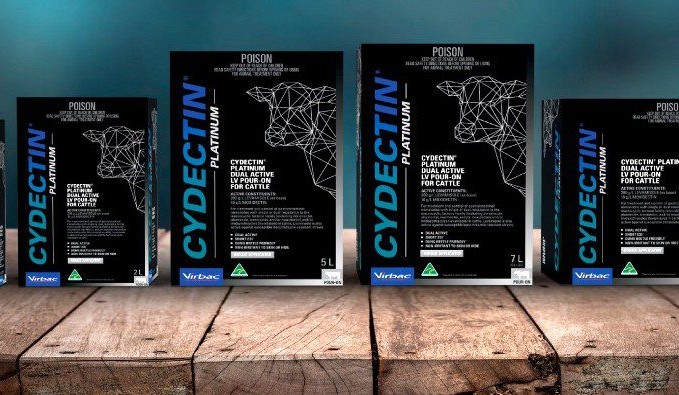
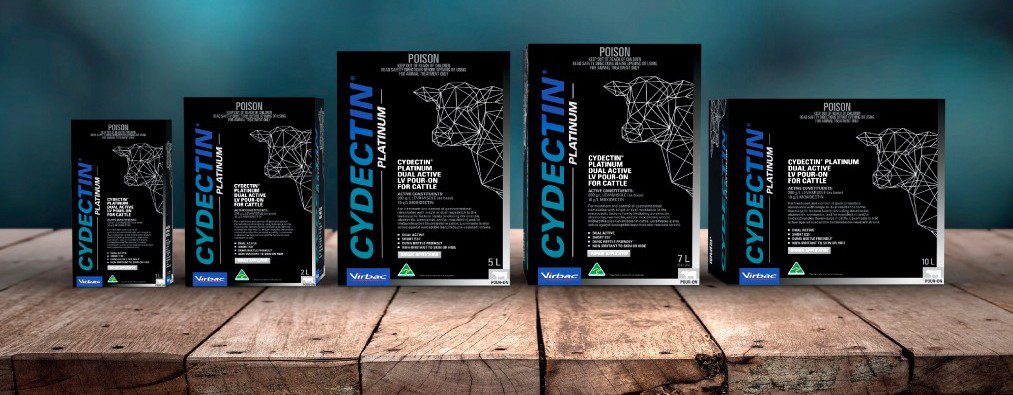
In stark contrast, combination drenches have proven to be 99-100pc effective against key cattle worms, significantly maximising cattle growth1.7. These innovative therapies can increase weight gain in growing cattle by up to 29kg over 50 days10,14.Farmers and the industry must transition to combination drenches as the new standard of care to safeguard cattle growth and profitability.
The consequences of widespread reliance on outdated technology are dire
On some occasions, cattle are becoming sick or dying due to blood loss and/or diarrhoea from uncontrolled worm burdens9. More commonly, recent research has shown that continuing to rely on single active drenches will impact cattle growth, leading to significant economic loss.
The industry asks for a paradigm shift, urging producers to embrace the new standard of combination drenches
These innovative therapies, formulated with multiple active ingredients, have proven to be 99-100% effective against key cattle worms, significantly maximising cattle growth1,10, 12-14. For example, use of a combination drench can increase weight gain in growing cattle by up to 29kg over 50 days10,14. By killing more worms, including those resistant to single active drenches, combination drenches not only enhance treatment efficacy but also play a crucial role in delaying the development of drench resistance, a growing threat to sustainable livestock production.
“Single active drenches are simply no longer an acceptable option for worm control in cattle,’ ‘The data is clear: these outdated treatments are failing our animals and undermining the profitability of our industry. We must transition to combination drenches as the new standard of care, prioritising animal health and maximising production efficiency” – cattle veterinarian Dr Matt Ball.
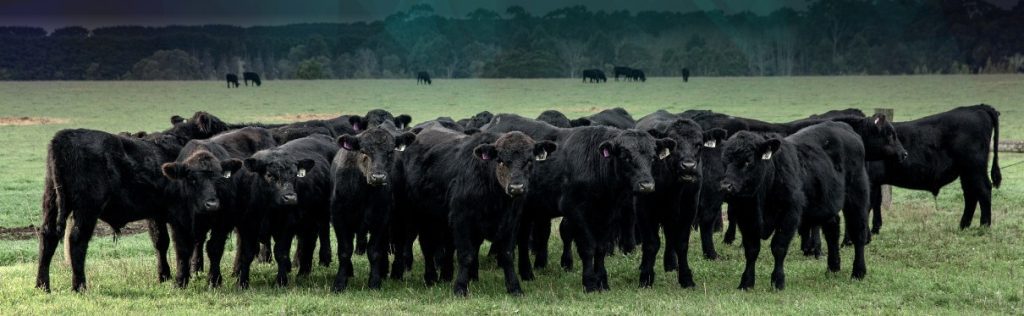
The message Is clear: The era of single active drenches must come to an end
By embracing the new standard of combination drenches, Australian cattle producers can safeguard their investment, enhance their profitability, and also help the long-term sustainability of the industry.
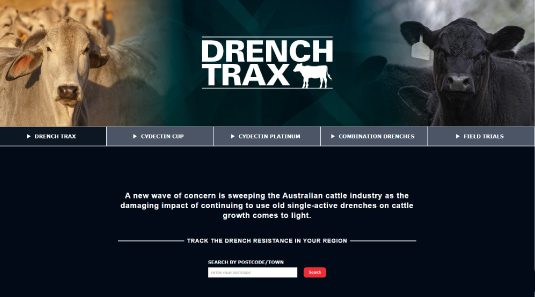
Want to see what drenches are working in your region?
Virbac has the largest collection of cattle drench resistance data that has been sourced by Virbac and from other pharmaceutical companies, universities, Local Land Services and private veterinarians, and can be sorted by post code to ensure you are viewing the most relevant data. Visit https://au.virbac.com/cydectin-platinum/drench-trax to find out more
More information:
Website: au.virbac.com/platinum | 1800 242 100
Always consult with a qualified veterinarian.
References:
1 Ball & Gibbison (2021) Resistance pattern to avermectins and milbemycins in current strains of Australian cattle nematodes, ACV Journal
2 Kotz & Hunt (2023) Current status and outlook for insecticide, acaricide and anthelmintic resistances across the Australian ruminant livestock industries, Australian Veterinary Journal
3 Woodgate et al (2017) Occurrence, Measurement and Clinical Perspectives of Drug Resistance in Important Parasitic Helminths of Livestock. Antimicrobial Drug Resistance.
4 Lyndal-Murphy et al (2010) Reduced efficacy of macrocyclic lactone treatments in controlling gastrointestinal nematode infections of weaner dairy calves in subtropical eastern Australia. Vet Parasitology.
5 Bullen, Beggs, Mansell, Runciman, Malmo, Playford, Pyman (2016), Anthelmintic resistance in gastrointestinal nematodes of dairy cattle in the Macalister Irrigation District of Victoria, Australian Veterinary Journal
6 Mauger et al (2022) Anthelmintic resistance of gastrointestinal nematodes in dairy calves within a pasture-based production system of South West Western Australia. Australian Veterinary Journal.
7 Ball (2024) Australian Cattle Drench FECRT Database – Virbac Data on File
8 Barons Data MAT June 2024- Virbac Data on File. Private Label and Generic data are not included in the data analysis.
9 Fatal Haemonchosis Beef Heifers North Coast of NSW, Flock & Herd March 2023. Retrieved https://www.flockandherd.net.au/cattle/ireader/haemonchosis.html
10 NSW DPI (2020) Duck Creek Endoparasite Trial (Data on File)
11 Based on ABS Livestock Data_Barons Data MAT June 2024 and price per kg retrieved from MLA Nov 2024
12 Canton et al (2019) Impact on beef cattle productivity of infection with anthelmintic-resistant nematodes, New Zealand Veterinary Journal
13 NSW DPI (2024) Worm control affects heifer fertility on NSW North Coast. Trial Summary – Virbac on File.
14 Virbac (2022) Comparative worm/tick counts and productivity in QLD cattle following Mox/Lev or Doramectin PO- Study 620-21- Data on File. Weight Gain is not a Cydectin Platinum registered claim.