
The hidden drain on productivity
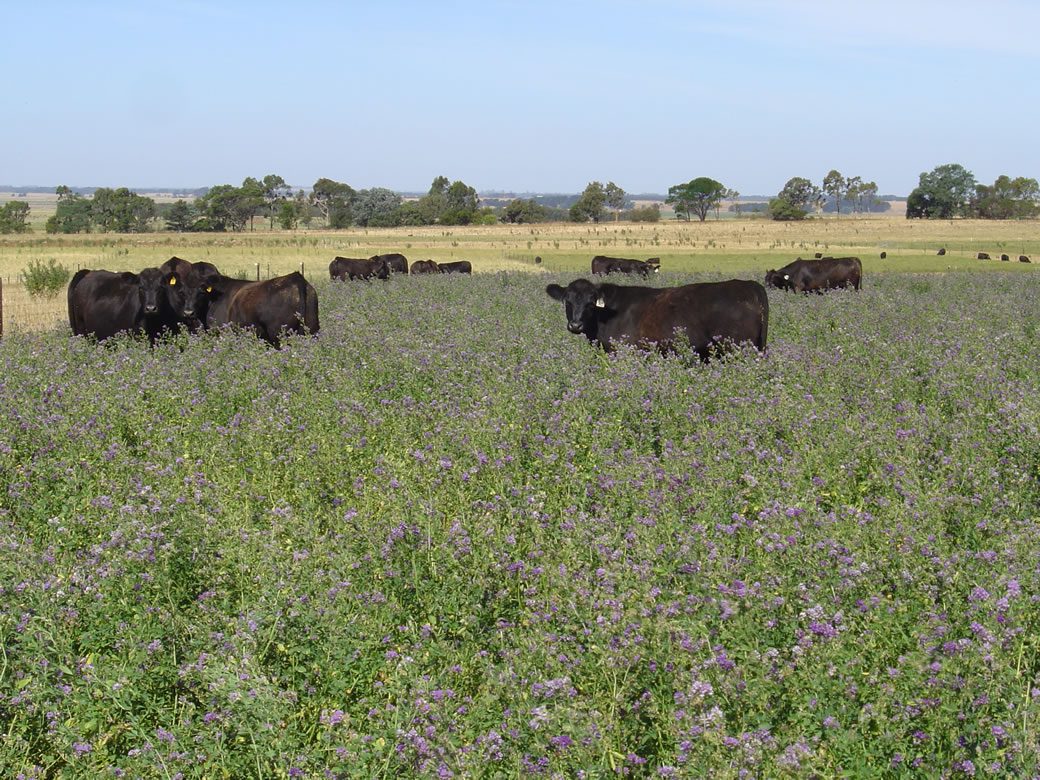
LEGUME growth is in full swing: pastures flush from hidden reserves, and hungry cattle willingly graze. But while the lushness may seem merciful, the season comes with a lethal catch—bloat.
In past seasons, frothy ruminal tympany has stung Australian beef industries to the tune of AU$80 million in a single year (Source https://www.mla.com.au/research-and-development/reports/2024/p.psh.1329—rumensin-capsules-for-bloat-control-and-sustainability.)
Worse still, in feedlot trials, up to 20 percent of affected cattle have died in just a few hours, despite intervention. (Source https://www.msdvetmanual.com/digestive-system/diseases-of-the-ruminant-forestomach/bloat-in-ruminants)
These statistics aren’t just numbers – they reflect missed livelihoods, lost pregnancies, reduced milk yield, delayed sales and emotional toll. Simple management oversights can turn a promising season into a crisis.
What is bloat, exactly? And why it moves so fast
Also known as ruminal tympany, bloat occurs when fermentation gases—primarily methane and carbon dioxide—are trapped in the rumen and cannot escape naturally. Cattle normally eliminate gas by belching. But when fine bubbles coalesce into a stable froth, they coat the rumen contents and block the oesophageal passage.
This is frothy bloat (also known as primary bloat): a condition most commonly triggered by grazing on legume-rich paddocks. Free‑gas bloat, by contrast, involves physical obstruction or slowed rumen motility—but is less sudden. Either way, fatality can occur within 1–4 hours, leaving little time for intervention.
Major risk factors:
- High-soluble protein and low fibre diets (e.g. lush young clover or lucerne)
- Rapid appetite response atop hungry stock entering fresh flush
- Moist conditions—early morning dew or post-rain high sugar pastures
Australia’s MLA states that bloat can strike within the first hour of entry into high-risk pastures—making urgent early detection critical. (Source https://mbfp.mla.com.au/herd-health-and-welfare/tool-6.07cattle-disease-guide/bloat/)
Reading the signs before it’s too late
Tips to spot bloat early:
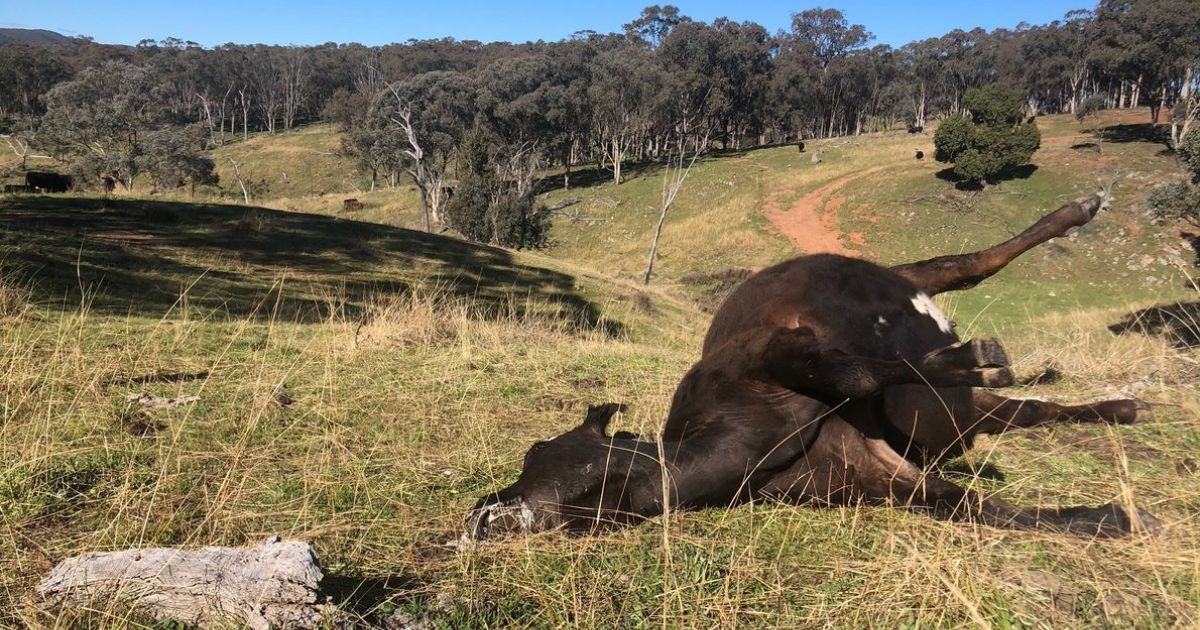
- Distended left flank—the classic “drum effect” as the rumen expands.
- Rapid, shallow breathing; open mouth, tongue out. Struggling to catch breath indicates rising intra‑thoracic pressure.
- Restlessness—kicking sides, shifting positions, standing and lying repeatedly.
- Lethargy—gut pause in chewing, slowing of rumination.
- Collapse within the mob—often isolated as others still graze.
Impact beyond death: sub‑lethal bloat depresses appetite, affects weight gain and fertility, and suppresses daily weight targets by 5–10 % across vulnerable mobs. Monitoring remains the only defence during risk peaking periods.
Seasonal timing: Know your “Bloat Window”
Bloat isn’t equally dangerous all year round. In southern Australia, the highest risk window generally spans from late winter through early spring, peaking during active vegetative legume flushes. Wet winters or spring storms exacerbate the risk by sustaining green cover longer into warmer months.
MLA recommends that bloat vigilance continue weeks after the initial high-risk outbreak, because green regrowth can persist even as temperatures rise, catching unwary producers off‑guard. (Source https://www.mla.com.au/news-and-events/industry-news/bloat-risk-increased-with-improved-seasonal-conditions/.)
Multi‑layered prevention is key
Experts agree: no single tool will solve bloat. A layered approach works:
- Grazing management:
- Avoid turning hungry animals into fresh clover dense paddocks.
- Introduce onto the pasture slowly, ideally in the afternoon post dew‑drying.
- Strip‑graze to limit exposure to the youngest, most fermentable leaf tips.
- Fibre feeding:
- Provide hay or straw before entry—ruminants will eat hay then graze clover, reducing froth buildup.
- Saliva from chew helps buffer and dilute soluble protein.
- Pasture mixes:
- Avoid paddocks dominated by >50 % legumes.
- Antifoaming agents:
- Bloat oils, soluble detergents in water troughs, or free‑choice blocks can disrupt foam formation.
- Animal monitoring:
- Check mobs first 1–2 hours after pasture entry.
- Check for early distension every day.
With good planning and strategic feeding, the incidence can often fall below 1 %—but even then, a single case may spell disaster for high-value stock.
Agricon Bloat Ade: Science-backed, hassle-free protection
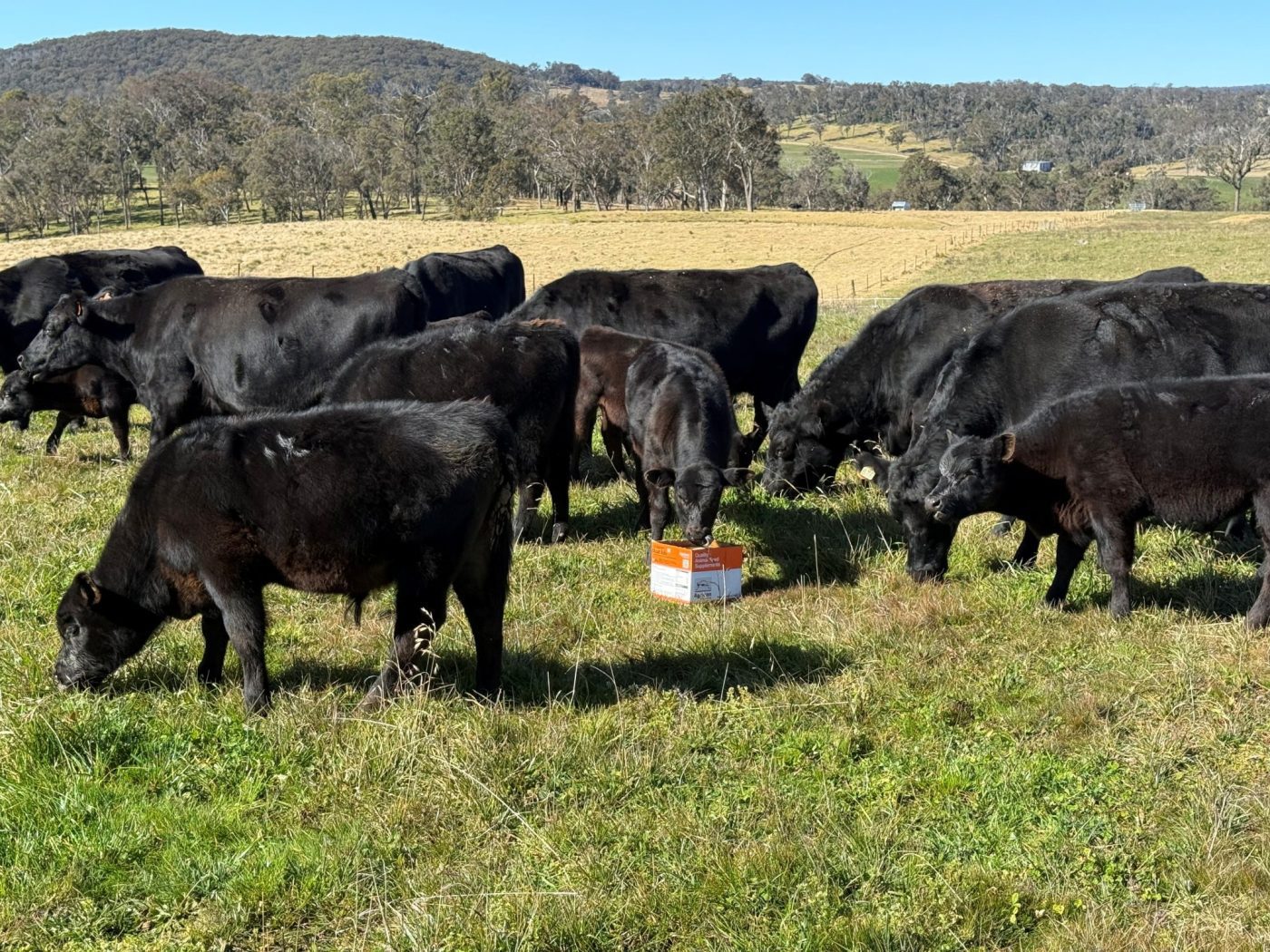
Available in 18 kg and 40 kg molasses blocks, Agricon Bloat Ade contains 10 % alcohol ethoxylate 12A23—a proven surfactant that destabilises rumen foam. At 5.84 MJ/kg DM and carefully balanced for calcium (3.95 %), phosphorus (1.7 %) and magnesium (2.67 %), it’s safe and registered in Australia (APVMA No. 58042/1203).
Each block is highly palatable and weatherproof, allowing controlled intake of the antifoaming agent—free-ranging, no fuss, no injectable drench required.
How Bloat Ade works
Alcohol ethoxylate is the active – a non‑ionic surfactant that weakens surface tension between gas bubbles and rumen solids, allowing small bubbles to merge into larger sizes that can escape via eructation. With a steady intake of ~100 g/head/day, foamy traps break before they become lethal.
Simple Dosage, Big Results
Timely deployment and compliance are key:
|
Parameter |
Recommendation |
| Timing | Place blocks at least 10–14 days before the expected peak of bloat risk to cultivate voluntary intake. |
| Stocking | Up to 10 cattle per block; each about 100 g/day so an 18 kg block lasts ~18 days for 10-head group. |
| Placement | Near feeding areas, yards or water troughs; multiple blocks in large paddocks to reduce competition. |
| Storage | Store in a cool, dry place (<30 °C); any unused blocks are still effective next season. No withholding period. |
Compared to other techniques
- Bloat drenching: Accurate early dose can save individuals—but labour-intensive, stressful and impractical across large mobs.
- Pasture oil spray: Temporary (2–4 hours protection only), expensive and only works if strip‑grazed or mechanically applied daily.
By contrast, Agricon Bloat Ade is:
- Animal-friendly: No restraint, highly palatable and well-tolerated as a lick.
- Labour-light: Simply place blocks into paddock; monitor intake; replace when needed.
- Reliable: Research-backed alcohol ethoxylate dose, repeatable absorption.
Economic impact: Big protection at low cost
Let’s illustrate with weaners on legume pasture:
- Herd of 30 weaners, each ~350 kg, grazing high-risk ryegrass–clover.
- Place 3 x 18 kg Bloat Ade blocks (good for ~180 days coverage at 100 g/day).
- At cost of ~$55 per block (example), three blocks cost ~$165.
- Bloat protection cost per head per day ≈ $0.30.
- Avoiding just one death at weaner value of $1890 (plus reduced daily gain) easily offsets block cost.
- Add intangible gains: better weight gain, intact fertility, less labour costs.
Buddy System: Bloat with herd health
Don’t silo bloat management—integrate into herd primary health:
- Ensure 5-in-1 clostridial vaccinations are current (pulpy‑kidney deaths sometimes masked as suspected bloat).
- Include magnesium supplementation (e.g. Agricon’s Magfertet) to prevent grass tetany, which can co-occur and complicate diagnosis.
- Monitor body condition scoring, especially in cows—under-condition stock show reduced saliva buffering (another foam safeguard).
- Evaluate paddock habit: plan a yearly pasture audit to map high-risk areas and graze accordingly.
Your pre‑season bloat checklist
- Mid‑winter: Identify paddocks with >30 % legumes. Schedule grazing before or after flush.
- Before August: Order enough Agricon Bloat Ade blocks to cover risk phase.
- Pre: Start feeding hay a week before entering high-risk pasture.
- Days 10–15: Move into target paddocks; check blocks daily for intake and stock appeal.
- Daily monitoring: Walk mobs daily—observe rumens, breathing, behaviour.
- If bloat appears: Remove the animal, move rest of herd to low-risk sward, feed straw or hay, and if necessary allow walking to encourage gas release.
- Post-season: Store any unused blocks in cool dry environment (<30 °C).
Respecting the risk, mastering the response
Bloat seasons can have major impacts on spring plans—but predictability and prevention is achievable. Replacing fear with foresight avoids financial, emotional, and biological toll.
Agricon Bloat Ade offers a simple, well-tested foam breaker that fits neatly into a layered approach: pasture selection, fibre feeding, consistent surveillance and stock monitoring.
Consider it the season’s safety net—not a magic bullet, but a steady bloat prevention partner.
When pastures are green and your cattle get hungry, you have a choice: let nature gamble your season—or stay ahead with a clear plan.
Agricon Bloat Ade doesn’t replace farm management—but it amplifies its strength with passive prevention: a molasses-based buffer between maintenance, growth and loss. Combine awareness, pasture planning and the Bloat Ade block strategy – and this bloat season, watch your herd—and your profit—stay whole.
Beyond Bloat Ade, Agricon offers an expansive suite of supplements that support cattle, sheep, goats and equine health—from purpose‑formulated molasses blocks and dry lick supplements through to premixes and liquid feeders. The portfolio includes calcium‑rich blocks like Calcifort and Optiphos, protein‑boosted options such as Content, Prosup and Newe Tra Lamb, forage energy aids like Wetphos and Supersulf, magnesium‑rich Magfertet, and the high‑efficiency feedlot premixes Supermix, Lotmix and Super AgPlus. For horses, tailored equine products include Endurance, Biopep, Shine, Restoralyte and hoof‑care blends like Hoofpep and Fortamin Hoof Care.
Whether you farm on a small scale or run a major pastoral operation, Agricon’s diversified range delivers targeted nutritional support across all livestock systems, backed by decades of experience and more than 400 stockists nationwide.
This is an editorial-style overview—not veterinary advice. Always consult your veterinarian or nutritionist before starting any supplementation program.