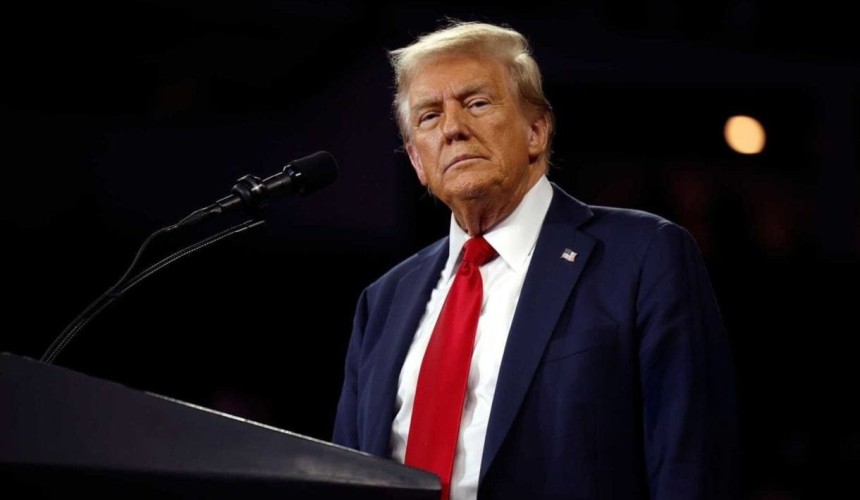
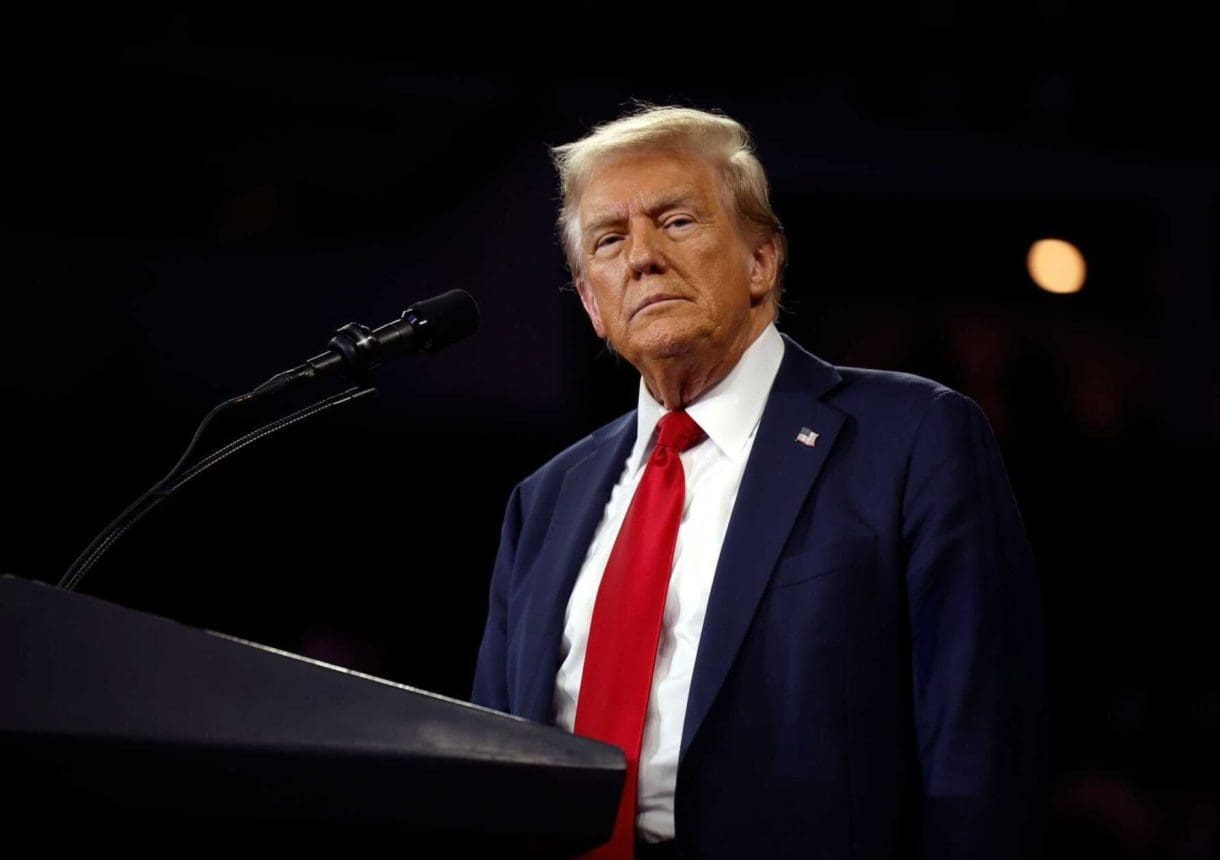
The Australian beef industry is still waiting for confirmation on how its exports to the United States will be tariffed, after US President Donald Trump this week signalled a potentially significant shift from the tariff regime Australia had been expecting.
Initial indications were that Australian beef exports would face a minimum 10 percent baseline tariff under President Trump’s so-called “Liberation Day” tariffs outlined in early April.
However, that expectation was cast into dissarray this week when President Trump told a press conference he is now considering increasing the baseline tariff to between 15 and 20 percent.
“We’re going to be setting a tariff for essentially the rest of the world, and that is what they’re going to pay if they want to do business in the United States,” he said. “I would say in the range of 15 to 20 percent.”
Countries that have not finalised individual trade deals with the United States are due to have previously announced reciprocal tariffs take effect from this Friday, August 1.
Australia has not yet struck such a deal, while others such as the United Kingdom (which secured a 10 percent rate in an early deal struck in May), and Japan and the European Union (15 percent each) have already done so.
Under the previously expected 10 percent baseline, Australia was seen as having achieved a relatively favourable outcome compared to many other nations.
However, if it is imposed, a 15–20 percent tariff would erode most or all of that competitive advantage.
 One reason Australia was initially expected to receive a lower tariff rate is its significant trade deficit with the US. President Trump’s tariff regime has largely targeted countries running trade surpluses with America. Australia currently runs a $74.4 billion deficit in two-way trade with the US.
Meanwhile, the US beef industry is trumpeting what it sees as a number of trade wins in key export markets that are also vital to Australia’s export-reliant beef sector, as the Trump administration continues to pressure countries to sign new trade agreements.
In addition to regaining access to Australia’s beef import market—a move US cattle groups are hailing as a “big win” despite clear signs trade volumes will be minimal —Washington has also signed new trade deals with key beef import markets Japan and South Korea.
Under the Japan agreement, tariffs on US chilled and frozen beef currently stand at 21.6 percent and will phase down to 9 percent by 2033, under a deal negotiated by President Trump in his first term in office, bringing it into parity with Australia’s tariff regime in Japan. The US beef industry has said it hopes the Trump administration will negotiate that figure down to zero.
US beef producers are also pushing for a deal with South Korea to eliminate remaining BSE (bovine spongiform encephalopathy) restrictions that have been in place since the US regained market access in 2008.
However, South Korean media reports indicate Seoul has ruled out such concessions for beef and rice, citing concerns over food safety and agricultural security.
Last week, the US also struck a deal granting zero-tariff access for its products into Indonesia.
Australia came unstuck with China with all its eggs in one basket.Australia should have learned from that .Under Trump we should concider America an unfriendly trading nation ,urgently open up up new international markets for all exports
Ozzie here. we have so much cheap, good quality beef. why would you export to Oz when your dollar is so strong. makes no sense.