
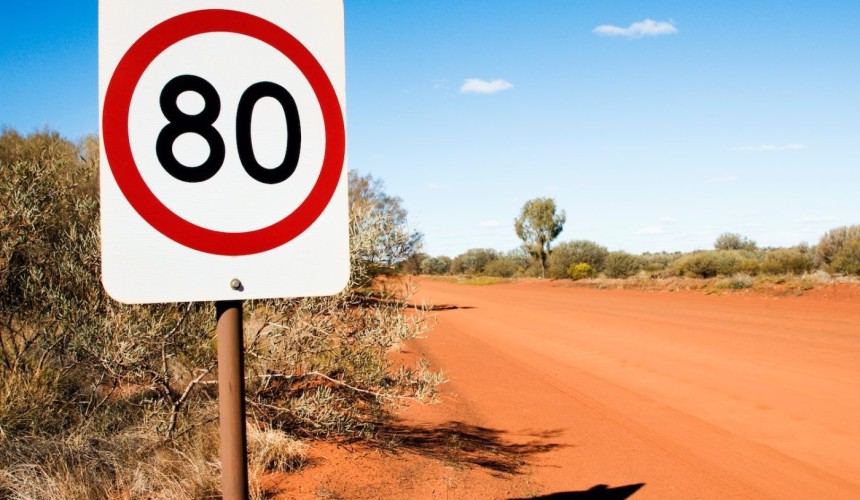
Australia’s transport ministers have halted work on reducing rural speed limits.
In September, the Australian Government infrastructure department issued a consultation paper on reducing default speed limits outside built-up areas.
The preferred option in the paper was to reduce the speed limit where there are no signs to 80 km/h. In most states, the default speed limit outside built-up areas is 100 km/h.
Transport ministers considered rural speed limits at their meeting on Friday 21 November.
“Ministers noted recent feedback from consultation on open road default speed limits that has been in the National Road Safety Strategy since 2018,” their meeting communiqué said.
“No further work is being undertaken on open road default speed limits,” it said.
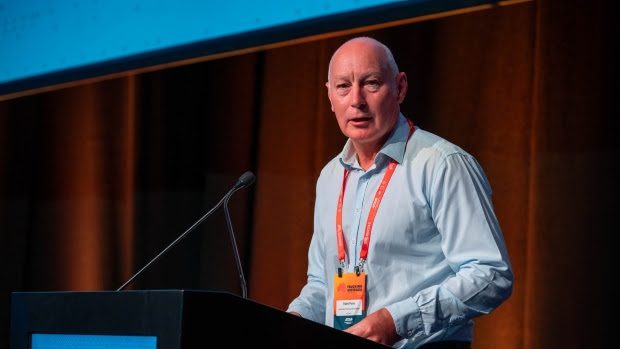
Australian Trucking Association chair Mark Parry thanked transport ministers, including federal transport minister Catherine King, for listening to the industry’s views.
“Working together with our member associations, we made a strong, evidence-based case for leaving rural speed limits alone,” Mark said.
Mark said the ATA submission argued that there were more effective ways to improve road safety.
“According to the consultation paper, reducing speed limits would have generated $2.20 in benefits for every dollar it would have cost,” Mark said.
“For the same dollar, we could get $9.60 in benefits by placing more warning signs at dangerous locations on rural roads or $6.60 in benefits through line marking.”
Mark said the Australian Government should spend more on road upgrades and maintenance.
“Maintaining non-urban roads better and upgrading them would support the industry’s productivity, reduce maintenance costs and improve the resilience of the road system,” he said.
Source: ATA
Based on this decision I can only assume the state ministers have never had a family member or friend killed or seriously injured by a vehicle collision on a 100km/h default speed limit local council managed road shared by pedestrians and cyclists from a nearby town. Perhaps the ministers just don't care about the consequences of not adhering to their own state road safety strategies, Safe System Speeds and Vision Zero 2050 because these local residents don't have the political voice of commercial organisations.