
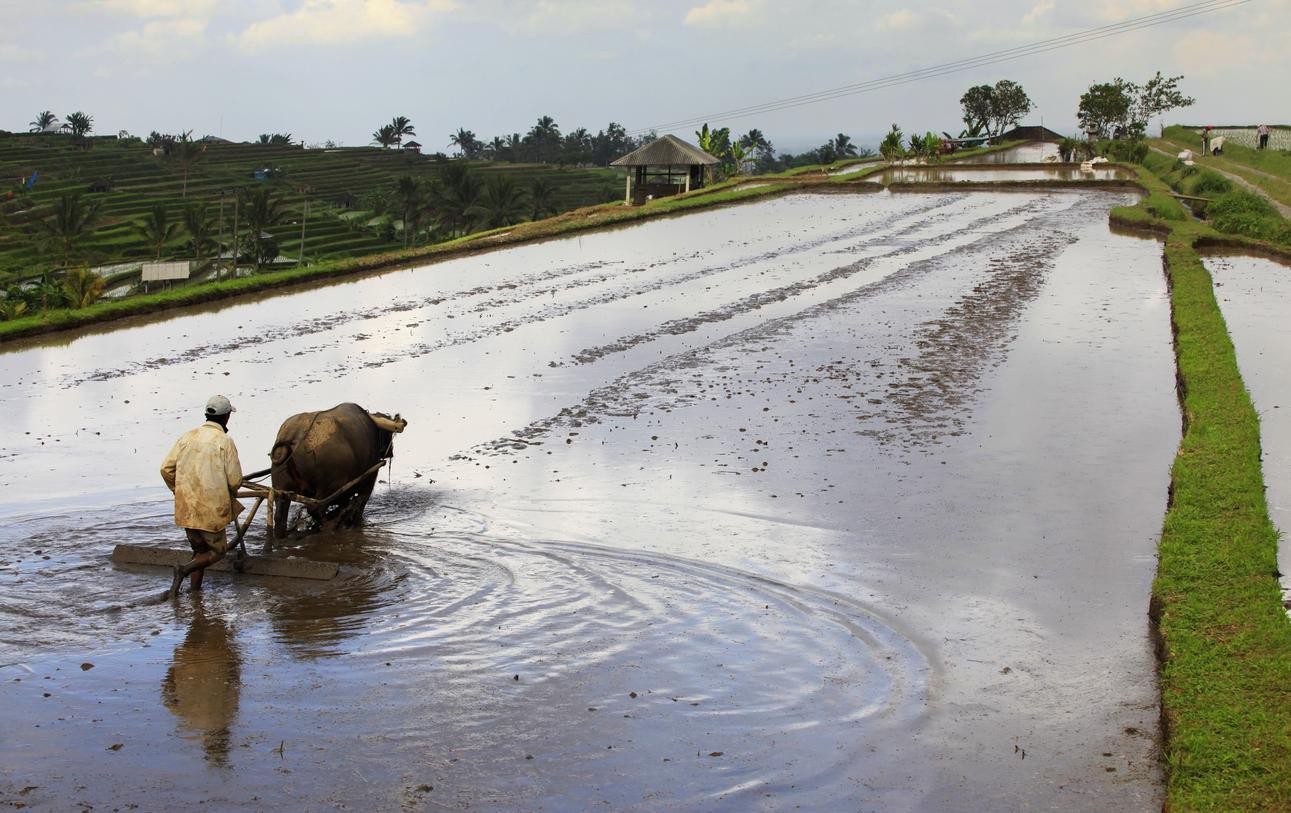
Photos: Farmer and a buffalo work on rice terraces on Bali
INDONESIAN authorities have now officially confirmed Lumpy Skin Disease in Bali, with local government in Jembrana Regency responding by banning all cattle movements in and out of the district. This is the first time the presence of LSD on the island has been formally acknowledged, despite months of unofficial reports and clinical signs suggesting it was already circulating.
Local media reports show the ban applies to all forms of cattle transport and is being enforced by provincial livestock officers. Infected animals are being isolated, with follow-up surveillance and vaccination targeted in affected areas. Officials have described the move as temporary but haven’t given a clear timeline or thresholds for lifting the ban.
This isn’t a surprise. The surprise is that it has taken so long. The virus has been moving east across Java since early 2022 and Bali was always going to be next. Ross Ainsworth has been talking about this risk for years and said at the time that the presence of LSD in Bali would raise the stakes significantly for Australia.
Bali has high livestock density, plenty of inter-island movement, and heavy tourist traffic into Australia. Vector transmission is a known risk but human-assisted spread is just as real, especially where biosecurity controls are patchy. Some reports also indicate water buffalo have been affected, though the primary focus remains on cattle. With Jembrana now officially on the record, the likelihood of undetected spread across other regencies is high.
LSD is edging closer to our northern coastline and the confirmation in Bali means less buffer and less ambiguity. Australia hasn’t had this disease, and we’ve been preparing for years under a National Lumpy Skin Disease Action Plan that was agreed in late 2022 and continues to be implemented with industry and government partners. That plan explicitly recognises the changed risk profile from LSD’s spread through South-East Asia and sets out national priorities for surveillance, diagnostics, border biosecurity and response readiness. It also includes targeted work on understanding non-regulated pathways such as windborne insect vectors that could carry virus north from the region. Australia’s preparations aren’t new and we have frameworks and exercises in place to detect and respond rapidly if LSD ever arrived here. Bali’s confirmation sharpens the risk profile again. LSD is entrenched in the region and now just 1,200 kilometres from Australia’s northern coastline.