
Image: Shutterstock
THE Federal Government has announced the formation of two new savanna burning carbon farming methodologies, alongside the remaking of the beef herd methodology it cancelled last year.
Since coming into office, Labor has announced a series of reviews for the carbon market after some of the main methodologies came under criticism.
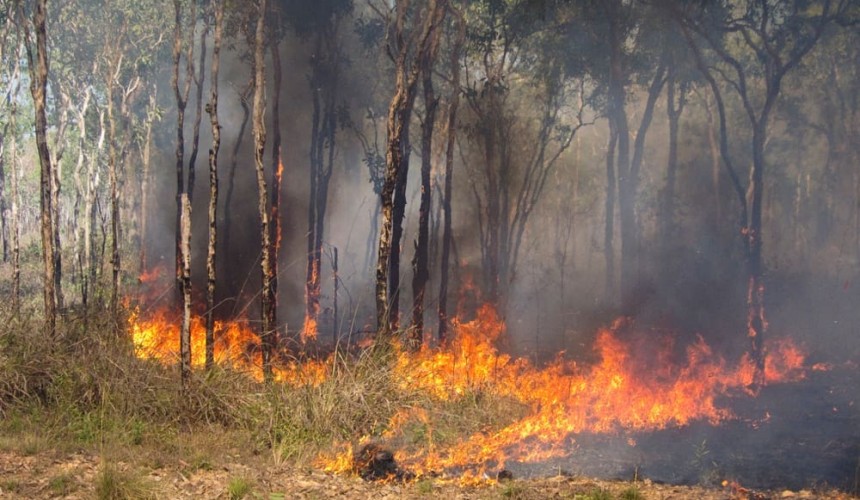
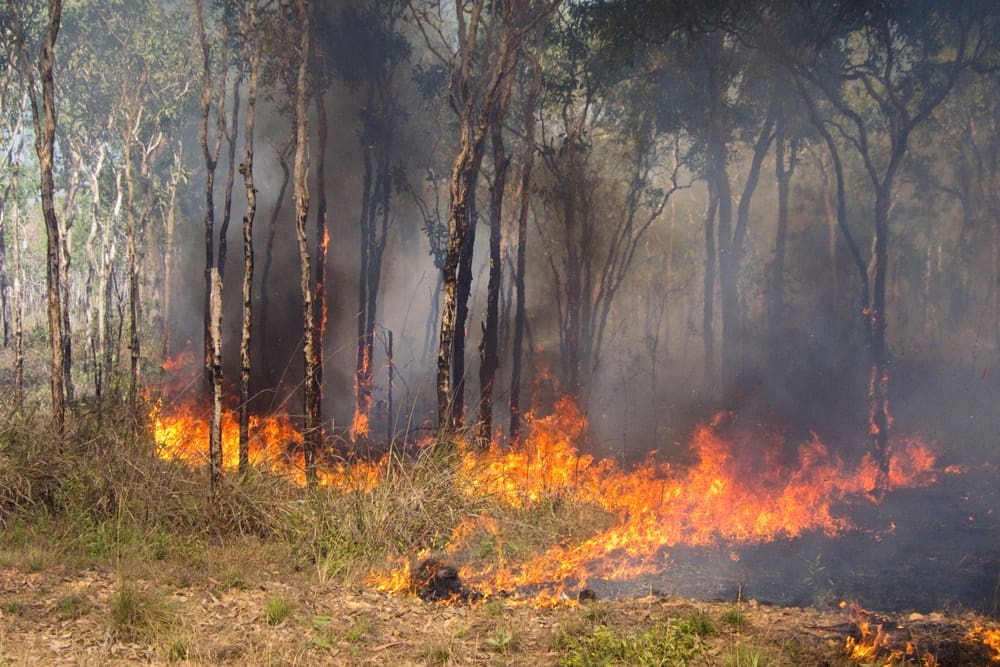
In today’s announcement by Energy Minister Chris Bowen, the Government announced two new savanna burning methodologies to replace old methods. It incentivises early dry season burning to reduce big fires later in the year.
He also formally announced that Meat & Livestock Australia had been commissioned to rebuild the beef herd management methodology, which credits reductions in methane emissions. The announcement said that may also include the use of feed additives.
“It’s great to see two new ACCU methods that account for the huge scope of carbon retained by careful savanna fire management,” Minister Bowen said.
“I’m also pleased to see industry taking the lead to revise and remake two older methods to encompass new scientific developments in livestock and waste management.
“All four methods are about creating new economic opportunities that will deliver real cuts to Australia’s emissions and open new pathways to net zero by 2050.”
Carbon industry welcomes announcement
The carbon industry has welcomed the announcement with Corporate Carbon managing director Gary Wyatt saying the remaking of savanna burning was an important step forward.
“This is about strengthening what is already one of the most established and scaled methods in the ACCU scheme,” Wyatt said.
“Savanna fire management has been delivering emissions reductions and land management outcomes across millions of hectares for more than a decade. These updates improve the integrity of the practice and provide greater confidence in the outcomes being generated.”
Janet Hallows from the Carbon Market Institute said:
“Savanna fire management projects are among the most successful examples of carbon markets delivering real climate action while supporting jobs, cultural outcomes and economic development in regional and remote communities.”
“These reforms demonstrate how the ACCU Scheme can continue to innovate—supporting Indigenous-led projects, improving environmental outcomes, and attracting investment into nature-based climate solutions.”