
Image: SAILS
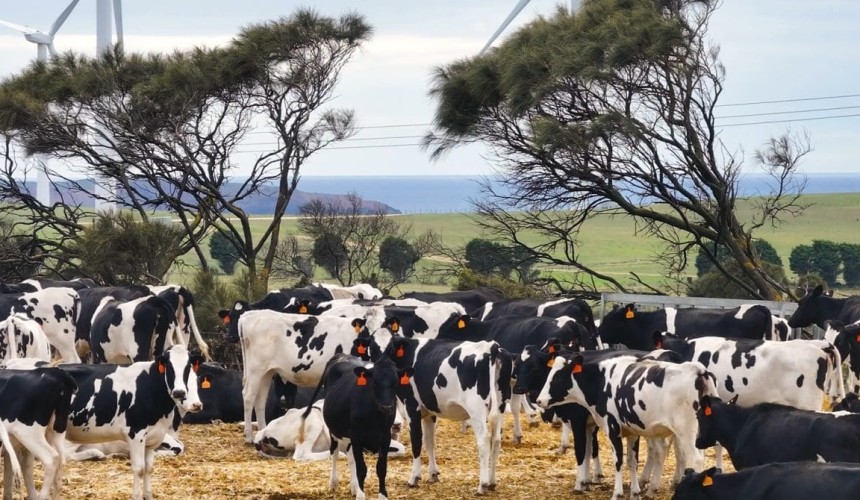
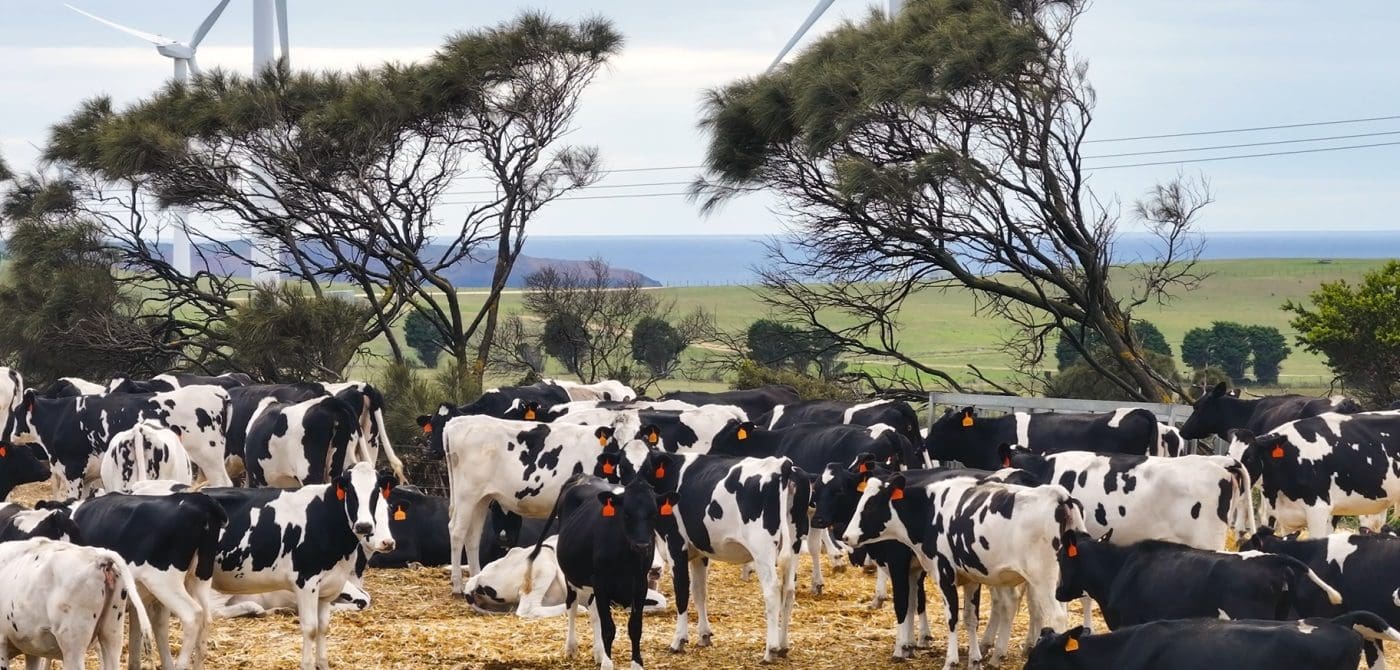
THE dairy industry has always produced beef.
Dairy cows themselves inevitably find their way into the meat industry, if only for manufacturing beef, and for many years it has not been unusual to see a beef bull, representing a range of breeds, used over older dairy cattle. This was followed by bulls with accurate EBVs used over first-calf cows and occasionally heifers.
Either way the result has always been calves entering the beef supply chain. What is changing now is the scale, intent, and the sophistication of what the market expects from those animals.
This change has been most visible in the United States, where market reporting service CattleFax estimates crossbred calf production from beef-on-dairy matings rose from around 50,000 head in 2014 to 3.22 million in 2024.
Sexed semen impact
That growth has been driven by the adoption of sexed semen, allowing dairy producers to target dairy replacement heifers from their best cows while directing lower-performing animals to beef genetics.
Around 72 percent of US dairy farms are now incorporating beef genetics into their breeding programs. And the sheer size of the US dairy industry means there’s a lot of calves involved. The result is a category of purpose-bred dairy-beef animals that feedlots and processors have come to rely on.
Australian dairy producers are increasingly adopting a similar approach.
The dairy regions of southern Australia, such as Gippsland, southwest Victoria, the Riverina, parts of South Australia and southwest Western Australia have become a significant market for beef genetics specifically selected for dairy-cross performance.
The value of this market has been recognised with industry focusing on development and messaging through projects such as the Growing Beef from Dairy. This project, jointly funded 50/50 by Meat & Livestock Australia and Dairy Australia over five years, aims to increase adoption of economically sustainable dairy beef production as an alternative to early life slaughter of surplus calves, covering everything from breeding and genetics to nutrition, market alignment and meat quality.
Estimates from the National Herd Improvement Association of Australia and Dairy Australia put around 16pc of calves born in dairy herds as having beef sires, from a national dairy herd where only 37pc of cattle are bred for replacements.
The conservative estimate of surplus calves is between 500,000 and 600,000 head annually.
Research scientist at Agriculture Victoria, Dr Jo Newton, spent three months in 2023 on an international study tour across North America and Europe examining the use of beef sires over dairy cows, conducted through ICAR’s Brian Wickham Young Person Exchange Program.
She presented her findings at an ICAR webinar in 2023 and again at the Genetics Australia 2024 conference. Her conclusion was that more data is still needed to identify bulls capable of performing across the entire supply chain, and that opportunities exist to expand Australia’s dairy-beef progeny data to validate existing tools or determine whether new tools need to be developed for local conditions.
Angus on Dairy Research Index
Angus Australia took a significant step in late 2024 with the release of the Angus on Dairy Research Index, known as the $AxD. The index is designed specifically for situations where Angus bulls are used as terminal sires over milking dairy cows, with all progeny headed for slaughter.
The Index prioritises calving ease, growth, carcase yield and eating quality, with no emphasis on fertility or maternal traits because daughters are not retained for breeding. Selecting from the top 10pc of the $AxD delivers sires with 1.1kg lighter birthweight EBV and 13.4kg higher 400-day weight EBV than the breed average.
The practical implication for beef seedstock producers is straightforward. The $AxD is not selecting for the traits that dominate most commercial beef breeding programs. A bull that ranks well on a self-replacing index may rank poorly on $AxD, and vice versa. Dairy producers using this tool will be looking for something quite specific, and breeders who want to supply that market need to understand what they are being asked to deliver.
A Gippsland dairy producer profiled through the MLA Growing Beef from Dairy project has been supplying directly to Victorian beef processor HW Greenham, finishing steers to around 650kg liveweight and heifers to about 600kg, with 698 head processed in one financial year at an average carcase weight of 301kg.
That scale of supply, hitting consistent processor specifications, reflects how seriously the better-managed dairy beef enterprises are now treating this as a production system rather than a by-product.
Dairy producers using beef genetics today have clear expectations. Sires need to be easy-calving, their progeny need to grow well under calf rearer management, and the end product needs to meet MSA and processor specifications.
That is a different ask from most beef seedstock programs, and breeders looking to supply this market need to understand that before they start.
Southern Australia is well placed to respond. The dairy regions of Gippsland, southwest Victoria, the Riverina and parts of South Australia sit alongside some of the country’s strongest seedstock operations.
The $AxD gives Angus breeders a starting point for sire selection. The MLA-Dairy Australia collaboration, Agriculture Victoria’s research and Angus Australia’s index development are building the framework to better assist breeders and dairy producers wanting to maximise their contribution to the supply chain.
There will be more opportunity for seedstock producers who collect data and breed specifically for this market rather than assuming existing genetics are close enough.
 Alastair Rayner is the Strategic Account Manager for Southern Australia with Vytelle and Principal of RaynerAg. He has over 30 years’ experience advising beef producers and graziers across Australia. Alastair can be contacted here or through his website: www.raynerag.com.au