
THIS autumn the beef industry was characterised by a lot of uncertainty. Aside from the seasonal conditions, producers have been focussed on the Middle East conflict, tariffs and other export trade barriers, and their flow-on effects for agriculture.
The large sell-off of cattle from central and northern New South Wales has also been a key feature at the end of autumn.
Collectively, these events have influenced the bull purchase decisions for many beef producers. However despite this, the autumn sales could be considered to have been a generally positive result for most seedstock producers.
Autumn sales are traditionally dominated by southern states, with a few individual exceptions in Queensland.
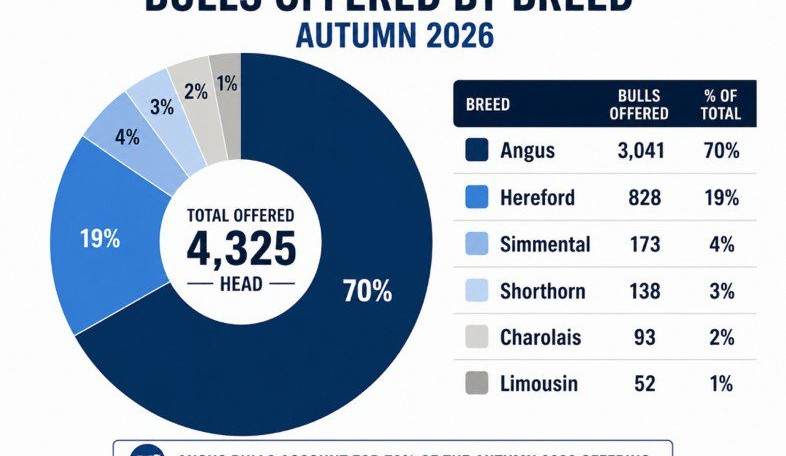
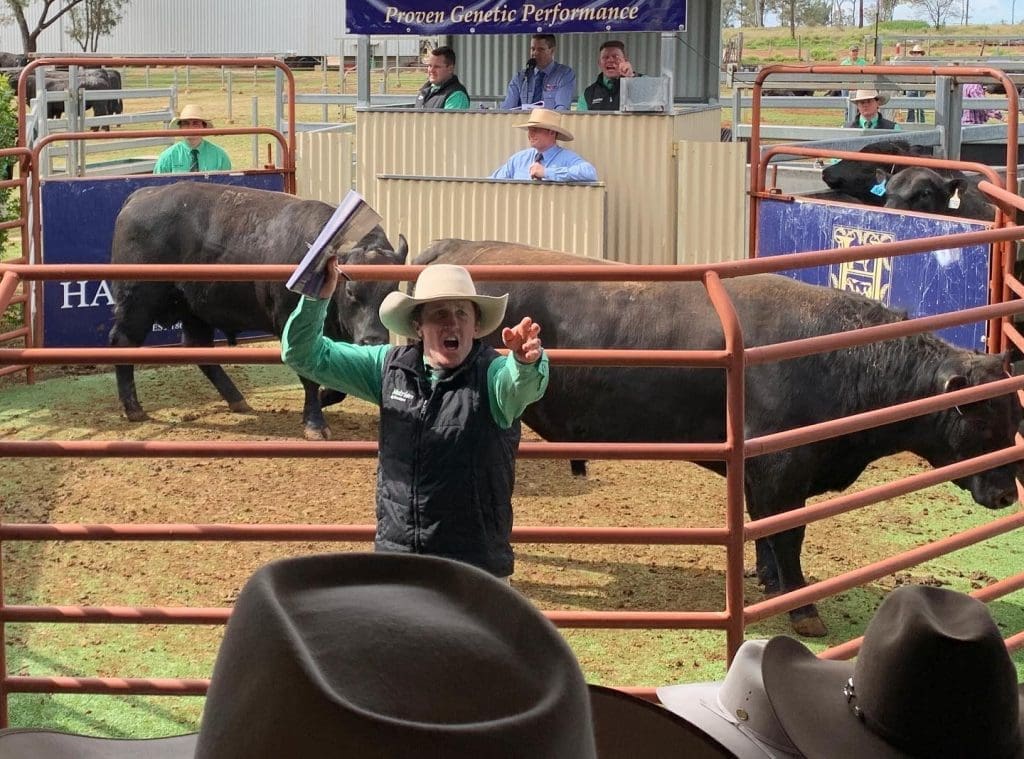
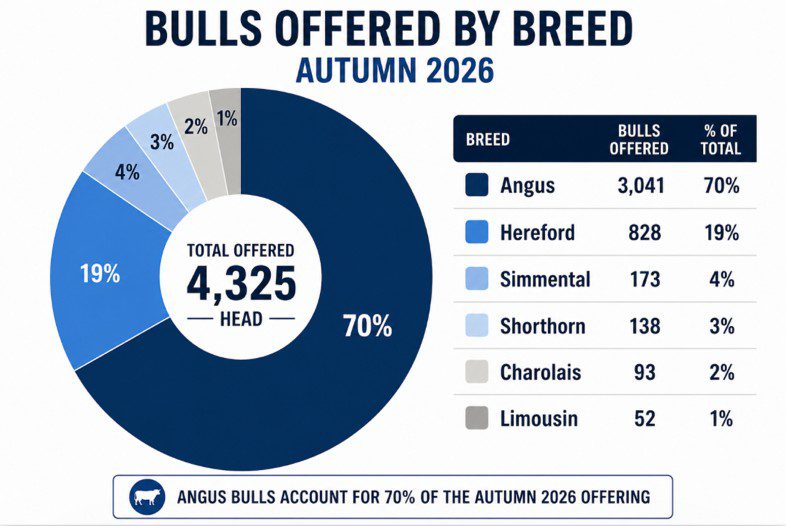
This autumn, based on our records, 4325 bulls were offered for auction across major breeds with a clearance rate of 91 percent.
This does suggest a strong demand for bulls, however there were some sales that did struggle with clearances. Some of these were in areas that are still impacted by the season or still in seasonal recovery, suggesting that local demand was perhaps more subdued. This impacted individuals rather than the overall trends.
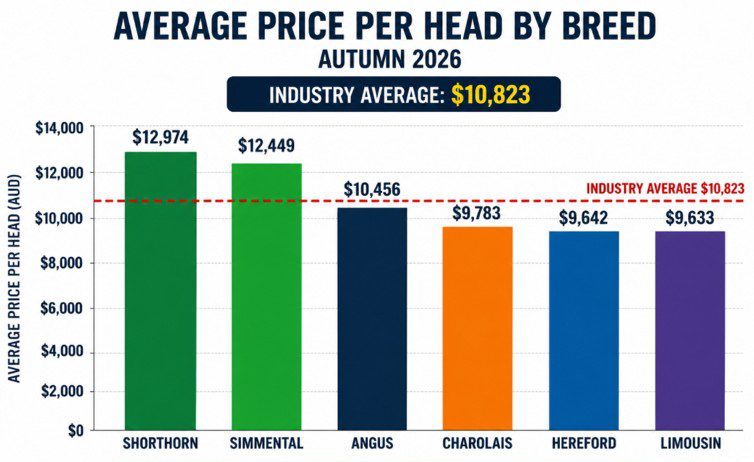
Across the major breeds that conducted autumn sales this year, the per head averages remained strong at $10,823 while the average top price across the breeds was $30,228.
Southern sales are largely dominated by British and European breeds, so it is not surprising that Angus sales were predominant in autumn. Seventy percent of bulls sold were Angus (3041), while Herefords continue to have a strong market share (828 bulls, or 19pc).
Angus averages were slightly below the broader autumn average, suggesting that while supply was very strong, demand was tempered by producers looking more carefully and discerningly at the bulls they were after. Also, it could be argued that Angus was the breed most directly exposed to desperately dry conditions on the NSW New England and Northern Tablelands. Competition is more likely driven by genetics and phenotype rather than price.
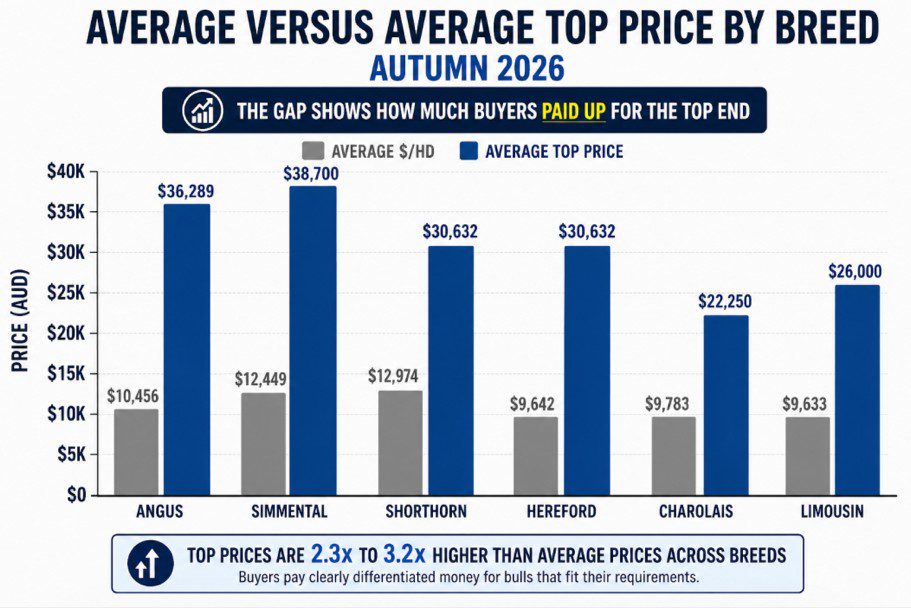
There was also a significant gap between averages and top prices. Granite Ridge Angus topped the autumn circuit at $235,000, with Alpine Angus making $120,000 and Quamby Plains Herefords at $102,000. Other highlights included Banquet Angus’ average of $18,873 across 79 bulls and Woonallee Simmentals’ average of $17,659 across 22 traditional coloured bulls.
Strong sales at these locations suggest demand for leading genetics to return to seedstock production systems.
Multi-tiered market
The size of these top prices is worth considering more closely. Bulls making $100,000 and above are not commercial purchases. They are seedstock investments, with buyers backing genetics they believe will lift the performance of their own breeding herd and the bulls they take to market in coming years.
 The continued presence of these results across the autumn run suggests that confidence at the seedstock level remains intact, even with the broader uncertainty in the industry.
It also reinforces the view that the bull market is not a single tier. The commercial buyer paying around the average and the seedstock buyer paying multiples of it are operating in different parts of the same sale ring, with different objectives.
For a commercial producer reading these numbers, there are a few practical points worth noting.
Bulls with clear performance data and clearly meeting a defined breeding objective found buyers across the autumn sales. Bulls without that clarity were more likely to be passed in or sold at the lower end of the range.
Average prices alone are a poor guide to what a producer should expect to pay for a bull that meets their specification. The spread within most breeds is wide and the bulls that often fit a defined breeding objective may well tend to sit closer to the upper end of the prices offered.
Looking ahead to this year’s spring sales, the autumn results provide a reasonable base to work from – however buyers should not assume the firm autumn averages will translate directly into spring catalogues.
Spring tends to bring larger offerings and a different mix of buyers, and the seasonal picture across the southern states will continue to shape local demand.
What the autumn does suggest is that producers prepared to commit to genetics with clear data and demonstrated performance will continue to find sellers willing to meet them.
The discipline buyers showed across autumn, walking past bulls without clear merit, is likely to carry into spring.
Final autumn season genetics column for 2026
Tonight’s column marks the last in the Autumn 2026 series by genetics editor Al Rayner. The popular weekly reviews will now go into a short recess, returning for the spring bull selling season in June.
In the meantime, research will soon get underway to compile our Spring 2026 bull sales directory, listing upcoming bull sales being held across Australia for all popular beef breeds between June and November. Once we have completed published the entries, we will ask studmasters to check their entry for omissions, date changes or other details. Beef Central advertisers’ listings include additional information, including links to stud websites or sale pages. The list will be completed during the first week of June.
Spaces are already filling fast for bull sale advertising on Beef Central for the Spring period. If you are interested in talking to someone about promoting your Spring 2026 bull sale via Beef Central, contact nikki@beefcentral.com
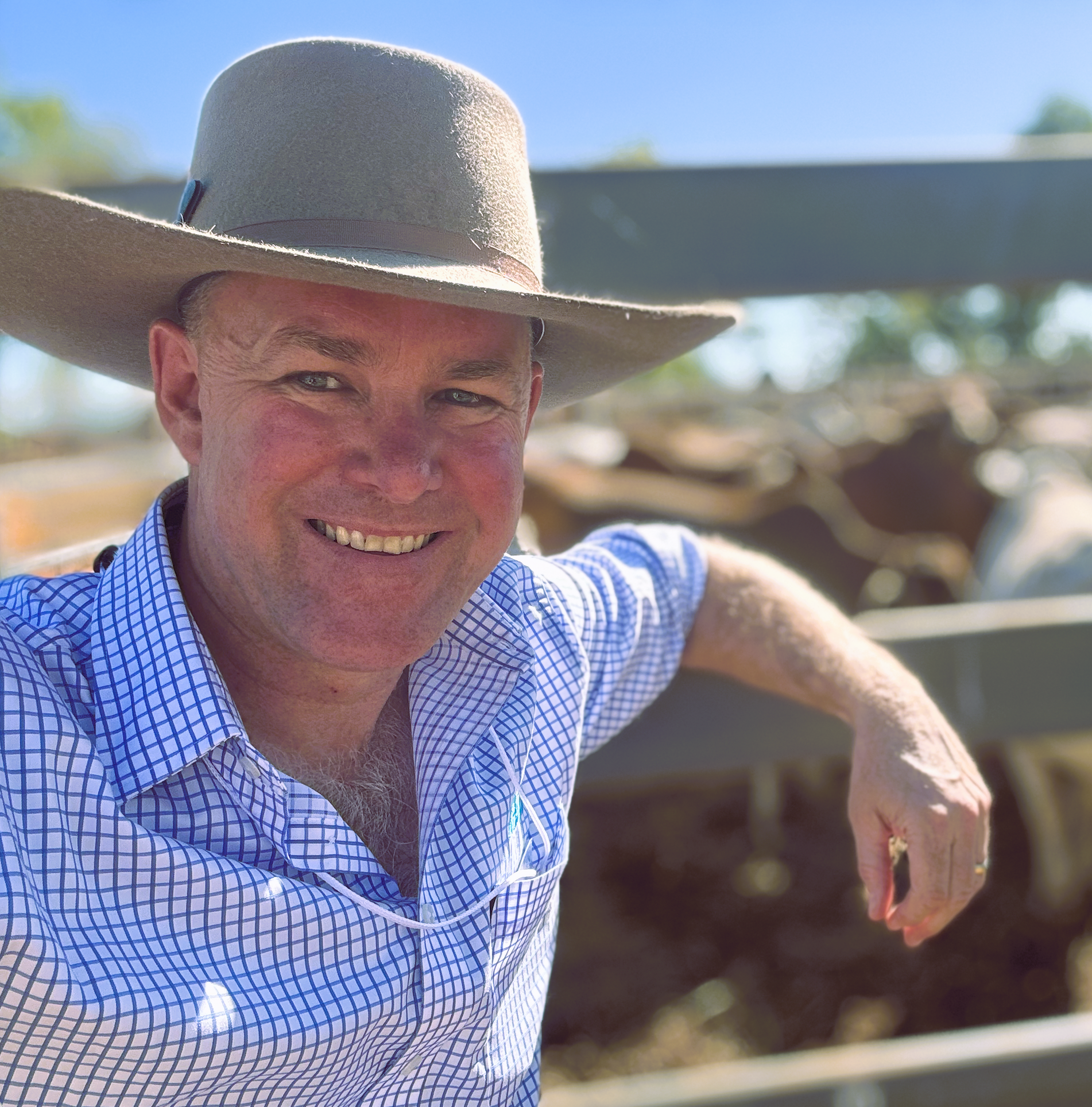 Alastair Rayner is the Strategic Account Manager for Southern Australia with Vytelle and Principal of RaynerAg. He has over 30 years’ experience advising beef producers and graziers across Australia. Alastair can be contacted here or through his website: www.raynerag.com.au