
“WE’RE like a pup with a foot through its collar,” was how one northern stock agent colourfully summed up the state of play in the northern cattle industry this week. “All dressed up and nowhere to go”.
It’s a great line, but one that also captures the frustration being felt across the north.
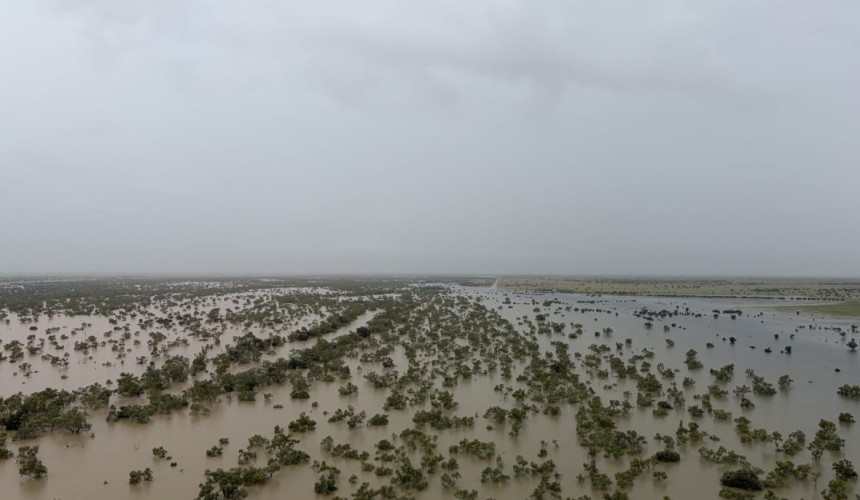
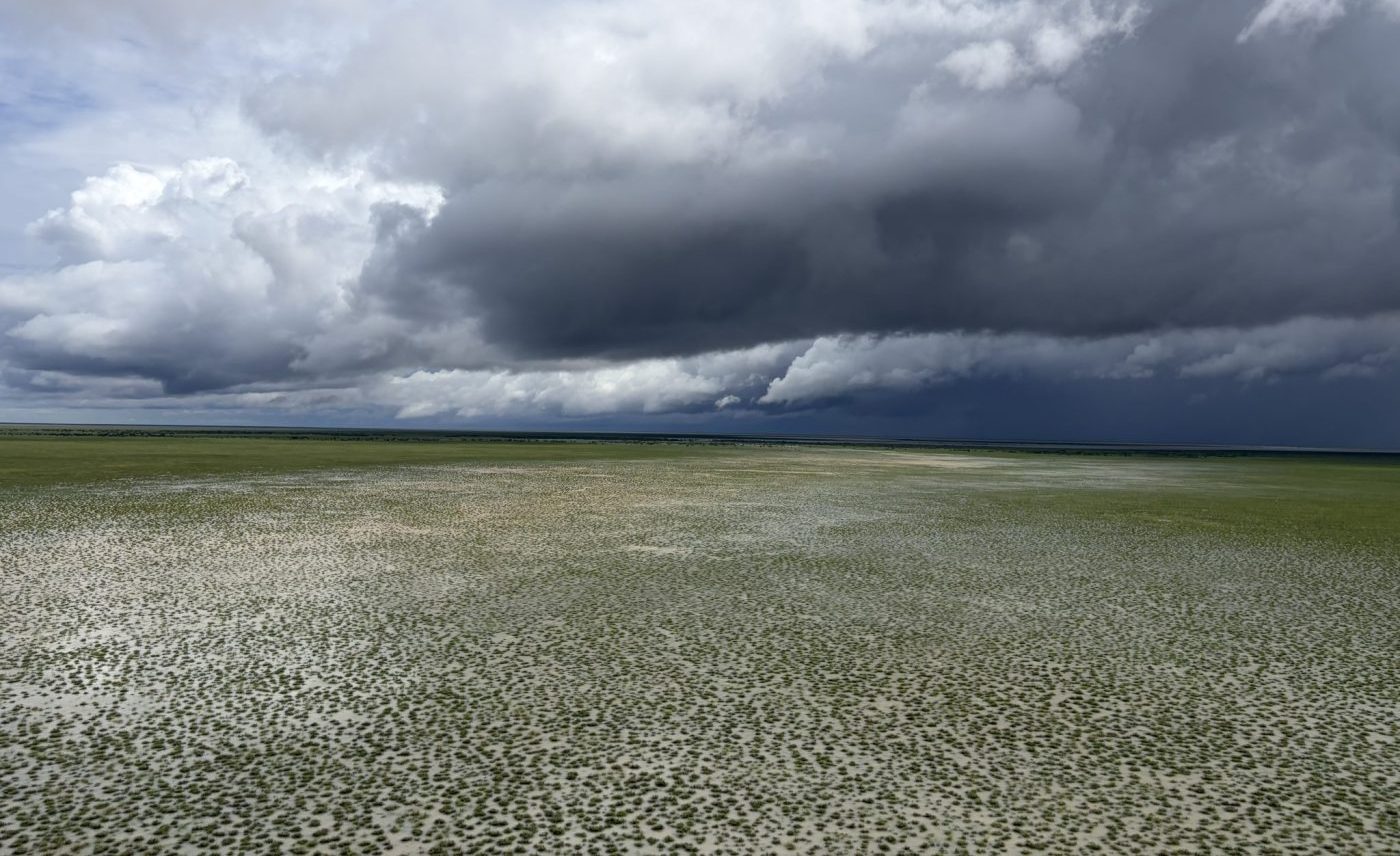
Three months into the year many northern stations remain stuck at the gate with mustering teams ready to go but a prolonged wet season preventing them from moving as the annual mustering season arrives.
Easter normally signals the start of dry season mustering programs in the Northern Territory, but wet paddocks mean it could still be some weeks before many stations are able to get cattle moving.
One benefit has been that stations have avoided burning diesel during the recent period of soaring fuel prices due to the Middle East conflict.
However, depending on the outcome of today’s ceasefire and Iran’s pledge to reopen the Strait of Hormuz for two weeks, high prices are still likely to await once mustering programs get underway in earnest.
Some movements despite wet
Exporters have been able to seize brief windows of opportunity to ship cattle despite the wet conditions, with two vessels slipping out of Broome in recent weeks and a handful of shipments departing from Townsville. Beef Central understands Consolidated Pastoral Company (CPC) has also been able to send six shipments to its Indonesian joint venture partner feedlots PT Juang Jaya Abdi Alam (PT JJAA) from Darwin and Wyndham since late January.
While large swathes of northern Australia are still too wet to move cattle, North Queensland has emerged from weather constraints more quickly, with mustering programs now ramping up.
New shipments filling quickly
One agent noted that many producers have not received a cheque since their last cattle sales prior to the wet season in October last year, and are eager sellers with any shipments that become available filling very quickly in recent weeks.
Prices traditionally come under pressure at this time of year as the large inflow of new-season supply hits the market, but this year additional factors are weighing on the equation, including the soaring cost of fuel and currency movements.
Exporters have incurred a sea freight increase of 30 percent effective from April 1, with potential for more increases in May, June and July subject to the unfolding Middle East situation.
On the currency front, this time last year live export steers shipped from Darwin were priced at around $3.60/kg liveweight, with an AUD/USD exchange rate of 68c.
Conversations with buyers this week suggest prices ex-Darwin have slipped from around $4.40/kg in recent weeks to lower levels, with offers in the range of $4.10–$4.20/kg for delivery later this month.
This comes as the AUD/USD exchange rate has crept higher to around 71c, while on the buy side the Indonesian currency has weakened against the US dollar, effectively making Australian cattle more expensive in relative terms for Indonesian importers compared with the same time last year.
New export orders testing price levels
Export orders are now starting to test where new season prices will settle.
In Queensland, a new export order released last Friday for high-grade Brahman steers for delivery to Charters Towers offered a price 40c/kg lower than the previous shipment from Townsville ($3.80/kg liveweight compared with $4.20/kg for an order a few weeks earlier).
The order is a test of the willingness of producers to accept lower prices in response to increasing cattle availability in Queensland, the impact of currency movements on Indonesian buyers and rising fuel costs across the supply chain.
As at the time of publishing this article, Beef Central has been told the order released last Friday has now been fully subscribed.
As usual, prices quoted in our live export market articles should be treated more as a guide than a precise market point, with a range of price levels discussed in conversations Beef Central has had with producers, agents and exporters this week.
Demand front solid
Demand from Indonesian feedlots is said to be solid, with many looking to back-fill after strong sales during the recent Lebaran/Ramadan period – provided cattle can be secured at an “agreeable price”.
Looking ahead, a key factor to watch will be how the backlog of cattle, which continues to build due to wet weather constraints on mustering, impacts market conditions once supply begins to flow more freely.
The stage looks to be set for a surge in numbers of cattle from the Northern Territory in late April/early May with producers now commencing marketing for that period in anticipation of paddocks drying out.
At the same time, a number of vessels have been drawn away from Australia into alternative markets including China, Turkey and the Middle East over the past year, raising questions about the trade’s ability to catch up on volumes once supply lifts.