
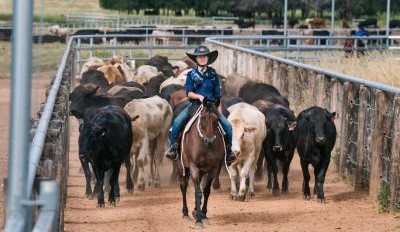
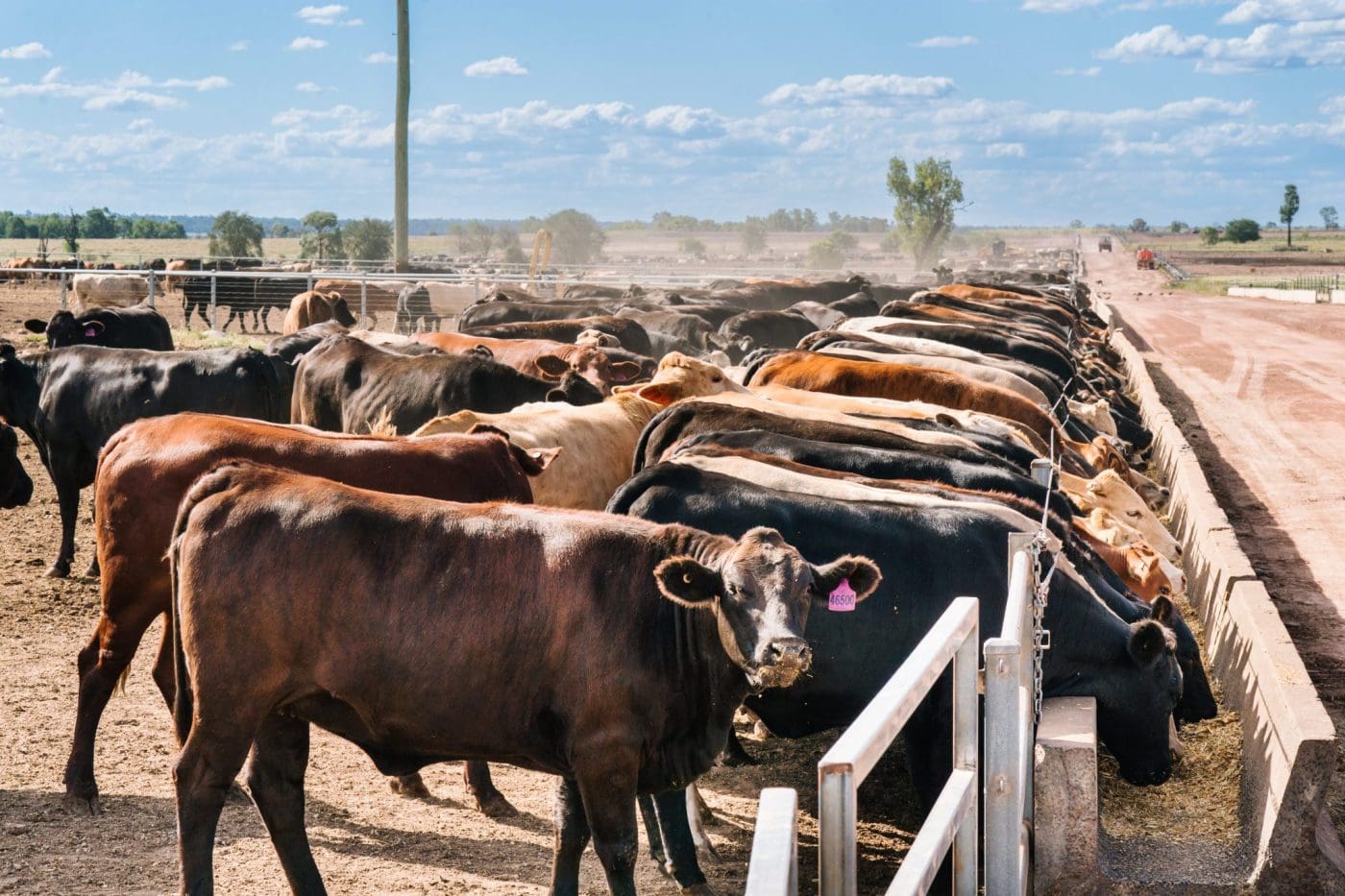
Image Source: ALFA
A NEW report has highlighted the significant strengthening in Australia’s emergency animal disease (EAD) preparedness as regional neighbours deal with disease outbreaks and increased threats.
The recent confirmed discovery of Lumpy Skin Disease in Bali highlights the progression of this disease through the broader region and increased risk of LSD spreading to Australia.
The Australian Lot Feeders’ Association (ALFA) in partnership with Meat & Livestock Australia (MLA) have created new national biosecurity training, improved practical operational tools, and updated industry guidelines, behind a major uplift in capability across the sector.
These are the key findings of a new industry report – ALFA’s EAD Biosecurity Project: Strengthening Australia’s Readiness for Emergency Animal Disease – released today.
The report details strong progress made since 2022, including publication of the updated AUSVETPLAN Enterprise Manual for Beef Cattle Feedlots, development of seven new operational biosecurity resources, delivery of training to nearly 250 participants, and increased understanding of EAD frameworks among operators and service providers.
A key outcome of the project has been the launch of the ALFA Biosecurity Hub, which provides a central access point for feedlot operators and service providers to biosecurity resources, guidance and training materials.
To embed Biosecurity best practice in the feedlot sector the project has included updates to the Feedlot industry’s Quality Assurance requirements under the National Feedlot Accreditation Scheme (NFAS).
These enhancements relate to Emergency Animal Disease Planning, Destruction, Disposal & Decontamination Planning, and Visitor Register & Feedlot zones.
The comprehensive biosecurity strategy was endorsed by the ALFA Board in August 2022, following the outbreak of Foot and Mouth Disease (FMD) and LSD in Indonesia, with MLA investing $500,000 through grain fed levies to support delivery.
ALFA president Grant Garey said the report demonstrates the industry’s strong commitment to preparing for emerging disease risks.
“The progress we’ve made reflects the willingness of feedlot operators and service providers to lift capability quickly and consistently,” he said.
“The practical tools and training delivered through this project have helped operators embed strong day-to-day biosecurity behaviours that protect individual enterprises.
“Collectively, the measures strengthen the resilience of our entire sector.”
MLA managing director Michael Crowley said MLA’s partnership with ALFA ensures levy investment delivers practical, on-feedlot benefits.
“Biosecurity is fundamental to our productivity, profitability and market access as a red meat industry,” he said.
“This project has built real world capability within feedlots and across their support networks.
“These improvements help ensure the industry is better placed to prevent, detect and respond to an EAD incursion, and to recover more quickly if one occurs.”
Extension activities to support and encourage adoption
A national training program supported adoption of the new resources and NFAS enhancements through ten face-to-face workshops across major feedlot regions, a targeted service-provider webinar and collaboration with AUS-MEAT to align auditor requirements.
These activities were designed to improve awareness, build practical capability and enable peer-to-peer learning, and were well attended, with 29 service delivery personnel participating in the webinar and 220 participants attending workshops representing 859,921 head of cattle.
Participant surveys were used to assess attitudes toward biosecurity before and after attendance at the ALFA EAD Biosecurity Workshops.
Prior to the workshops, 61.33 percent of participants already rated biosecurity as highly important and a further 37.33pc increased their rating from important to very important.
The survey also explored which aspects of biosecurity participants found most challenging to inform future training priorities.
Destruction, disposal and decontamination (DDD) emerged as the primary challenge, with just over half of participants identifying the DDD process as the most difficult, reflecting the complexity and logistical demands involved.
These insights have informed ongoing ALFA priorities and future R&D priorities, including the DDD plan template on the Biosecurity Hub.
Well planned biosecurity could save billions
The ALFA Emergency Animal Disease (EAD) Biosecurity Project was designed to be more than just biosecurity training – it was developed to strengthen emergency animal disease prevention and preparedness.
Through the adoption of best-practice biosecurity measures and more robust planning arrangements, the project reduces biosecurity risk and improves the industry’s ability to both prevent disease entry and respond effectively to an EAD incursion, supporting faster recovery while maintaining strong day-to-day biosecurity.
Early and targeted planning for destruction, disposal and decontamination (DDD) enhances response capability by identifying logistical constraints and alternative disposal options in advance, shortening response timeframes and improving coordination with state biosecurity authorities.
Modelling indicates that reducing an FMD response by six months through well-planned DDD arrangements could return approximately $1.6 billion to the cattle sector and $2.6 billion across other livestock industries.
More broadly, the development of industry-specific EAD preparedness frameworks provides transferable benefits to the wider red meat supply chain, including the sheep and goat sectors.
Next round of training
While ALFA’s EAD Biosecurity Project has concluded ALFA will continue to support feedlot operators build their biosecurity capability – registrations are now open for ALFA’s Entry–Exit Training workshop series to be conducted regionally through April and May.
Entry-Exit Training is designed to be highly practical and immediately applicable, supporting feedlots to strengthen preparedness, protect animal health and reduce biosecurity risk associated with everyday movements on and off site.
Feedlot operators and staff can register here to attend.