
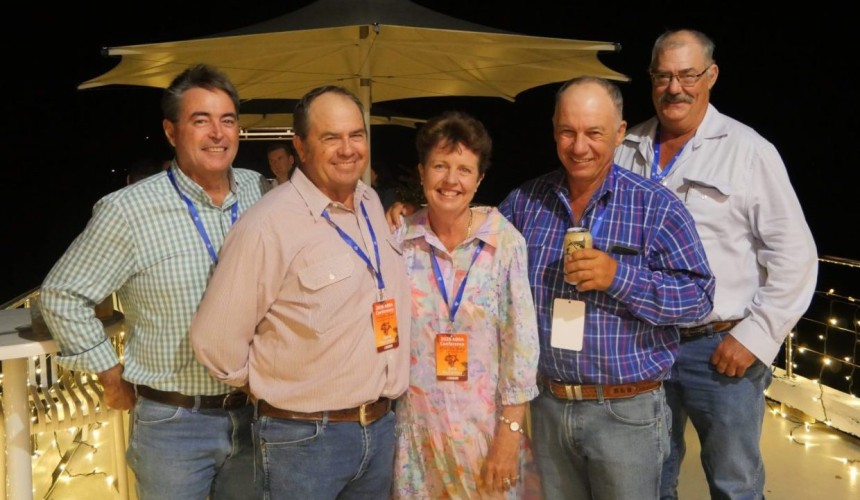
John Creedon ‘Leajohn Park’ Middlemount; David and Julie McCamley, Palmal Brahmans, Dingo; Shane Bishop, Garglen Brahmans, Moura; Matthew Noakes, President of the Australian Brahman Breeders Association.
BRAHMANS have been the preferred breed of cattle for Indonesian feedlots for over 35 years and will continue to be, the Australian Brahman Breeders Association (ABBA) conference has been told today.
The breed’s fifth annual conference, held in Airlie Beach, has bought together producers from across Queensland, New South Wales and the Northern Territory as well as industry participants to explore the breed’s production and genetic gains along with challenges.
“When the going gets tough, the Brahman gets going – but that’s got nothing to do with meat quality,” Matthew Noakes, ABBA President opened the conference with.
While there has been a lot of discussion about adding cross breeding Brahmans to improve different traits – the discussion at the ABBA conference has focused on the genetic and productivity improvements within the breed.
For Australia’s largest live export market – Indonesia – Brahmans remain the preferred breed the room of breeders was told today.
 In 2025, Australia live exported over 1.1 million head by sea and air, a trade worth $1.03 billion, with Indonesia taking almost 80pc of the cattle.
Dudy Wirawan and Muhammad Isnan Musrian from CPC’s North Sumatera Feedlot highlighted low fat content and tropical adaptability remain the two key qualities Indonesian lotfeeders are looking for.
“Australian Brahman cattle are known for their high-quality genetics, the best in the world,” Mr Wirawan said.
“We want cattle with high growth potential, disease resistance and superior meat quality and Australian Brahmans offer that. Brahmans show remarkable adaptability to tropical dry feed and we have seen great average daily gains in the Brahmans as we feed for 100-120 days before processing.
“We want low fat content for our Bakso balls and Rendang.”
On average Indonesians consumer 2.5 kilograms of beef per year, compared to Australians who consume 35kg of beef per year, however Indonesia’s population is more than 280 million people.
MSA wins with Bos Indicus
Sarah Strachan, General Manager of Research Development and Adoption at Meat and Livestock Australia highlighted the MSA wins for Bos Indicus cattle.
Of the 4 million carcases graded in Australia, 115,000 carcases had 130mm+ hump.
“If we use hump height as an indicator of tropical breed content and work with an MSA index of above or below 53, which is reflective of northern processor grids as to what fits in there specifications or not, there is two big drivers.
“Those that are hitting the mark of 53 or above it is about marbling and growth. With marbling it is not about having high Wagyu marbling, but there is less than 100 MSA marbling points in it and is something genetics can absolutely help.
“With growth it is about turning those animals off at the same weight but a younger age and again it is not a big difference between those hitting above 53 or below. So it is about these small adjustments that are getting animals across the line and having really big wins in MSA and getting price premiums.
“There are so many wins for high tropical breed content cattle for MSA and we have so much data to back this up now.”
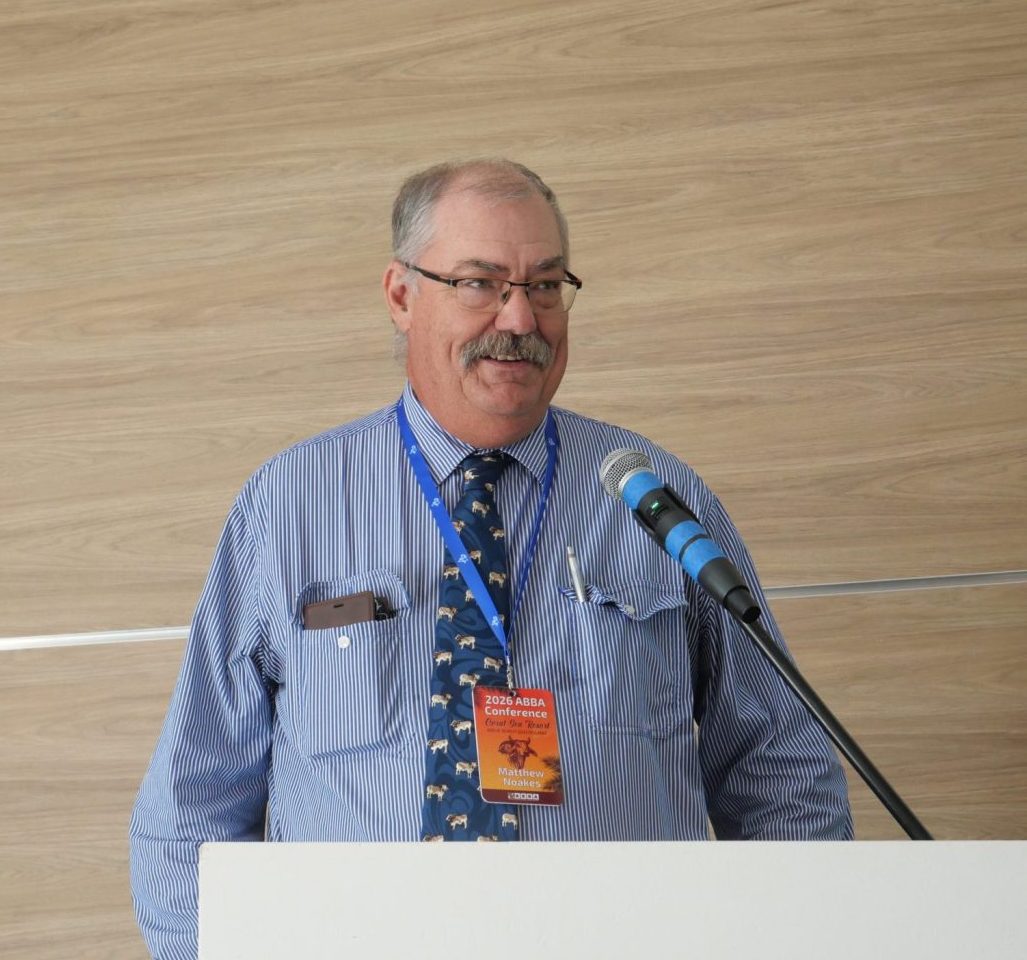
Matthew Noakes, President of the Australian Brahman Breeders Association.
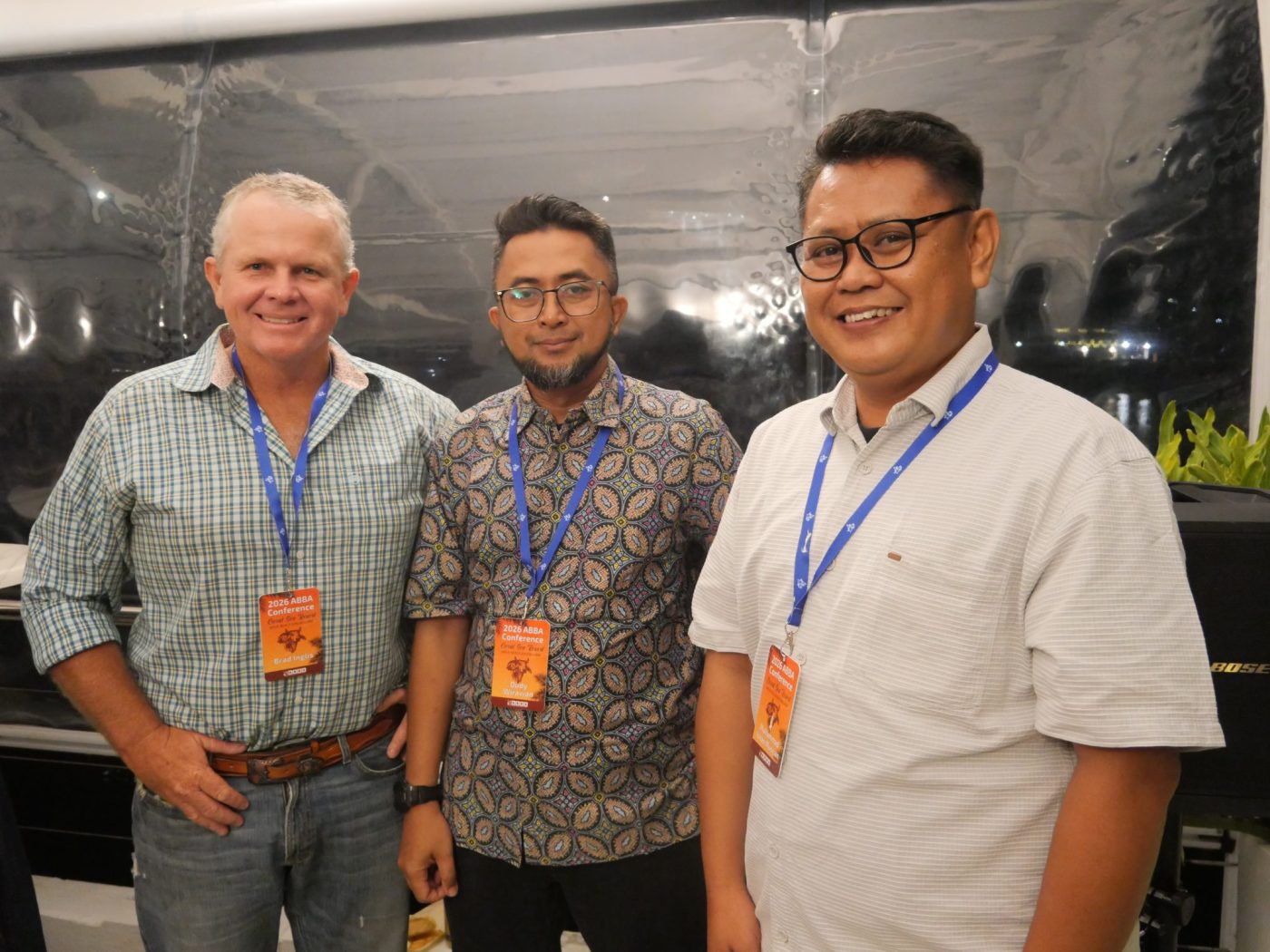
Brad Inglis, ‘Sturt Plains’ Katherine; Dudy Wirawan and Muhammad Isnan Musrian from CPC’s feedlot in Indonesia.
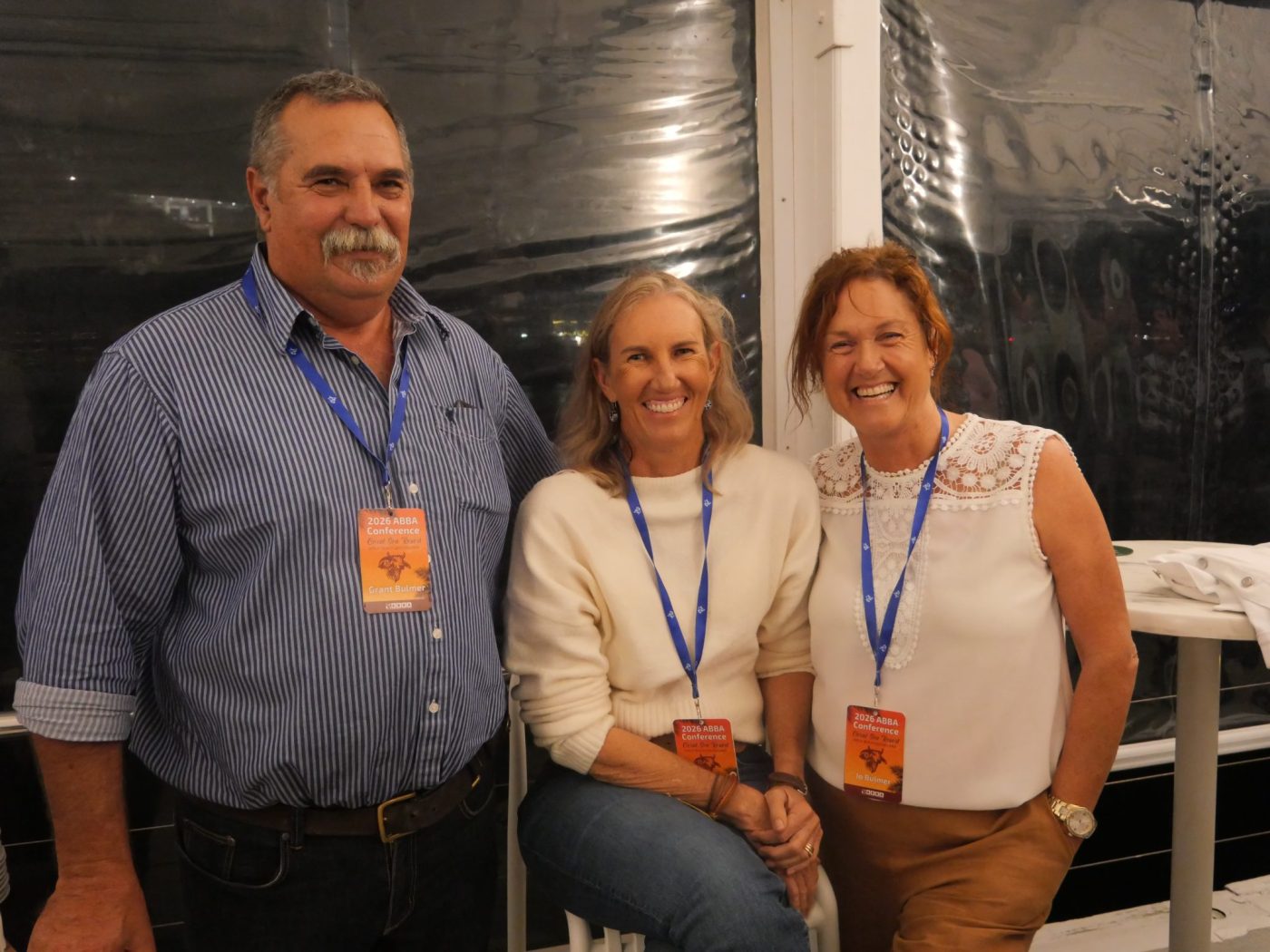
Grant Bulmer, Kyogle; Kerry Wallace, Wallace Cattle Co, Clarke Creek; Jo Bulmer, Kyogle.
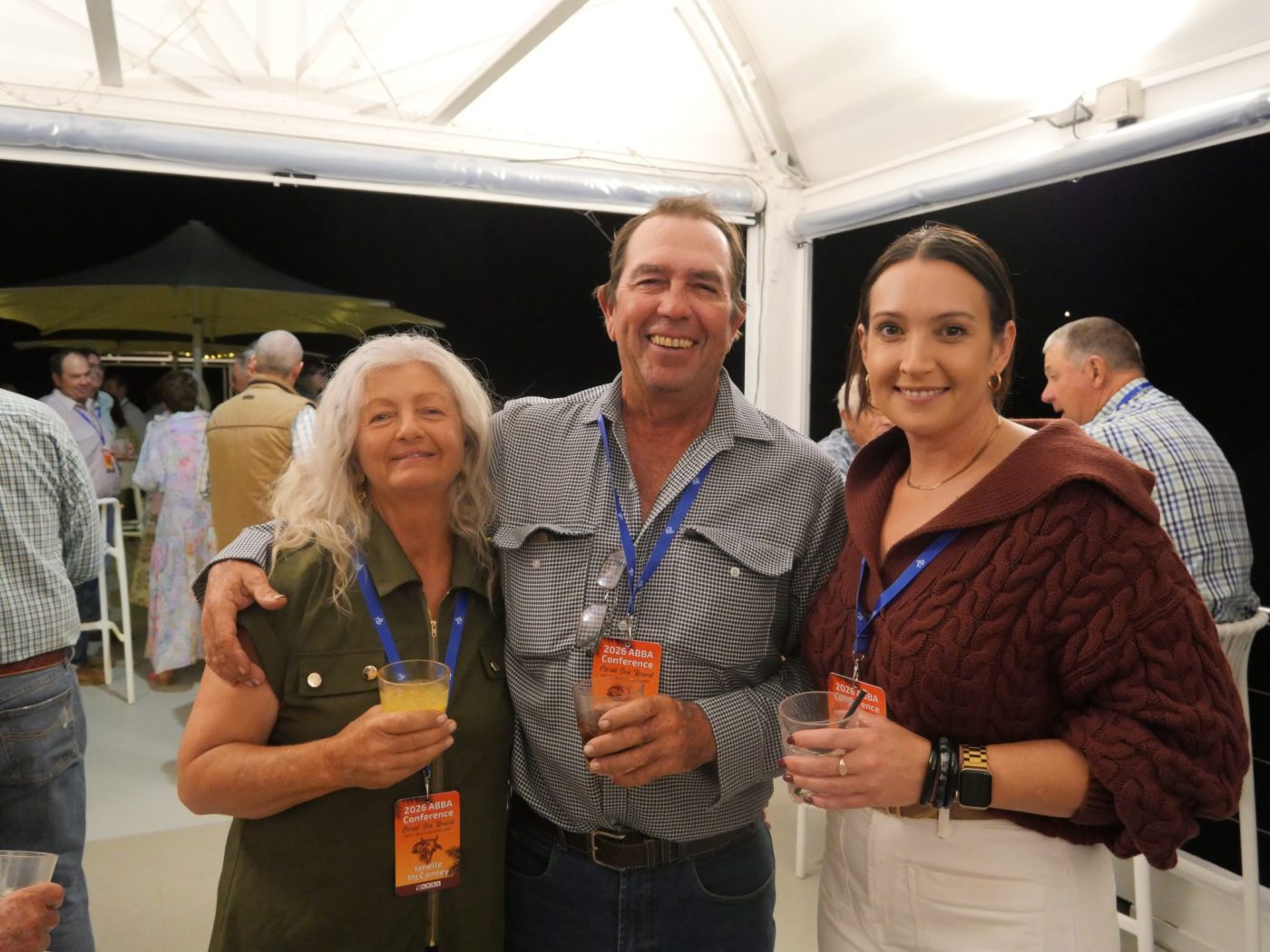
Janelle and Matthew McCamley, Lancefield M Brahmans with Jane Armstrong, Insight Repro.
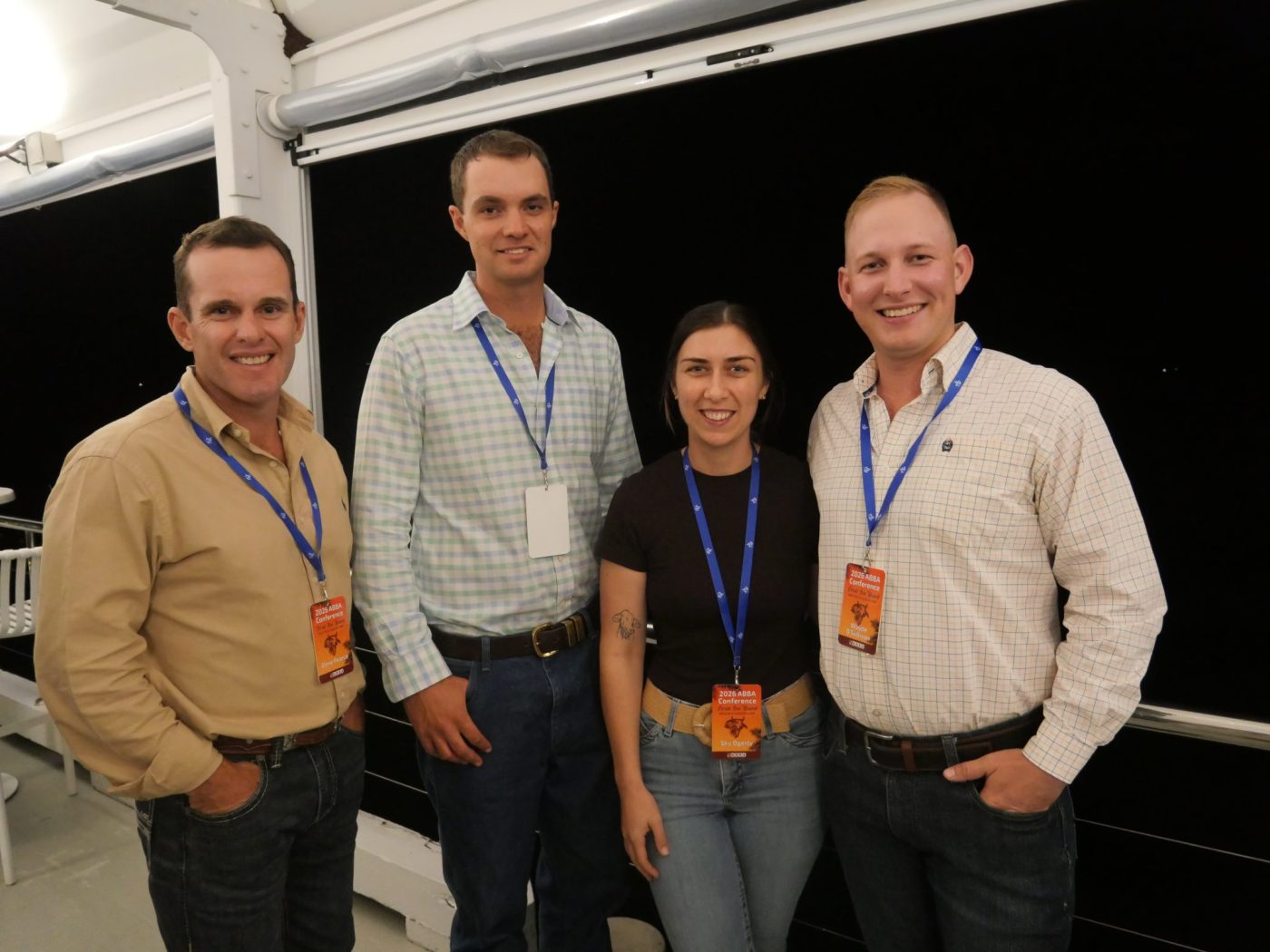
Dane Pearce, Nutrien Rockhampton; Henry Sinnamon, Nutrien Wandoan; Sky Ogerly and Wayde O’Sullivan from Nutrien Rockhampton.
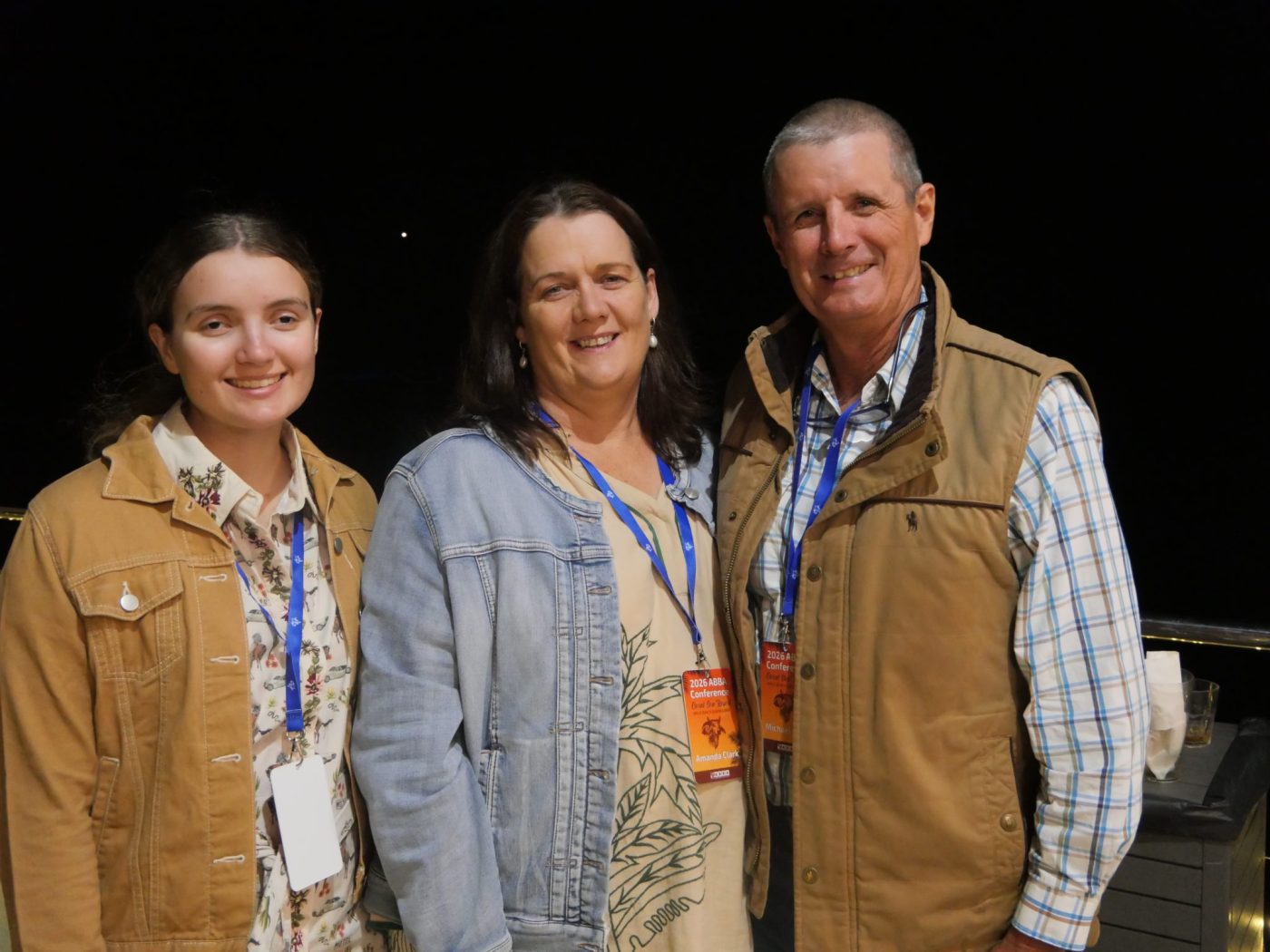
Geena, Amanda and Mick Clark from Ibis Creek Station, Mt Coolon.
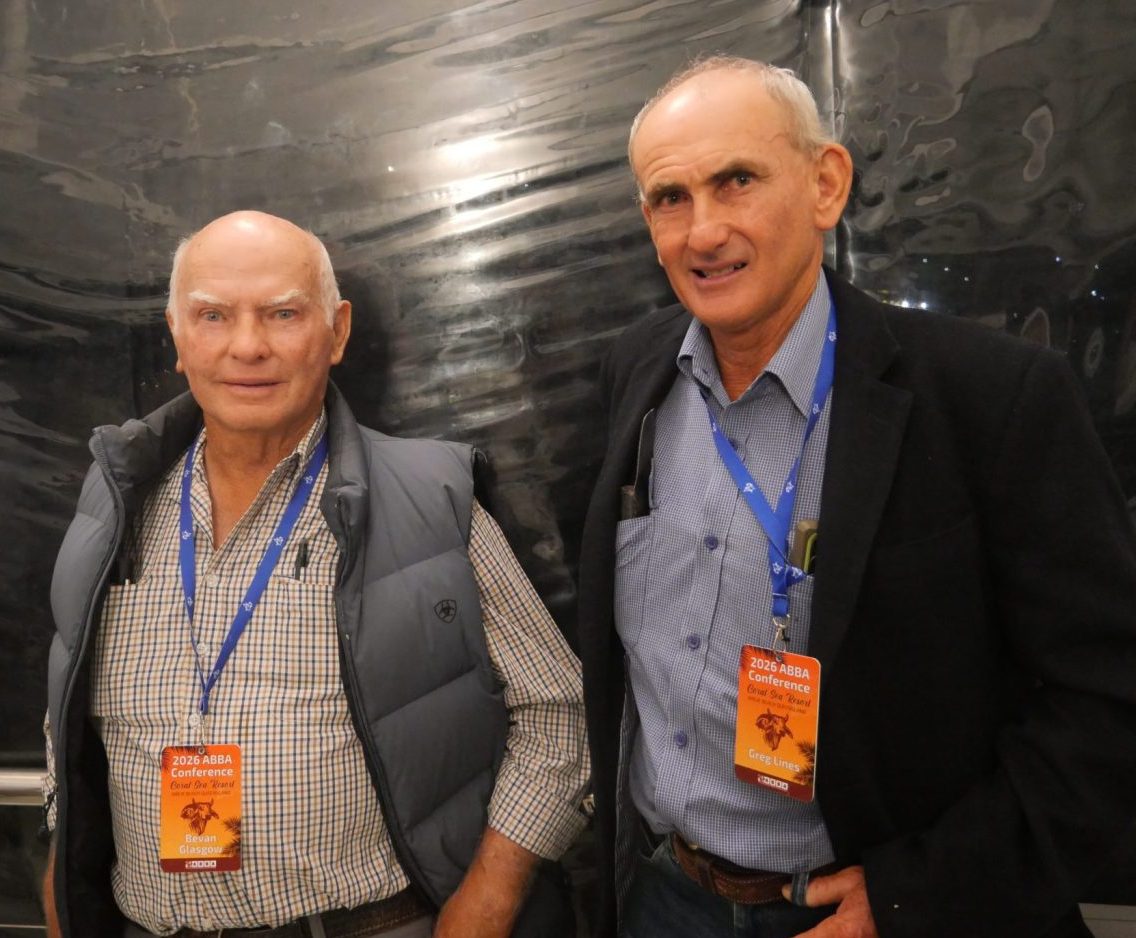
Bevan Glasgow, Riuna Red Brahmans Bundaberg and Greg Lines, Myee Red Brahmans South Kolan.
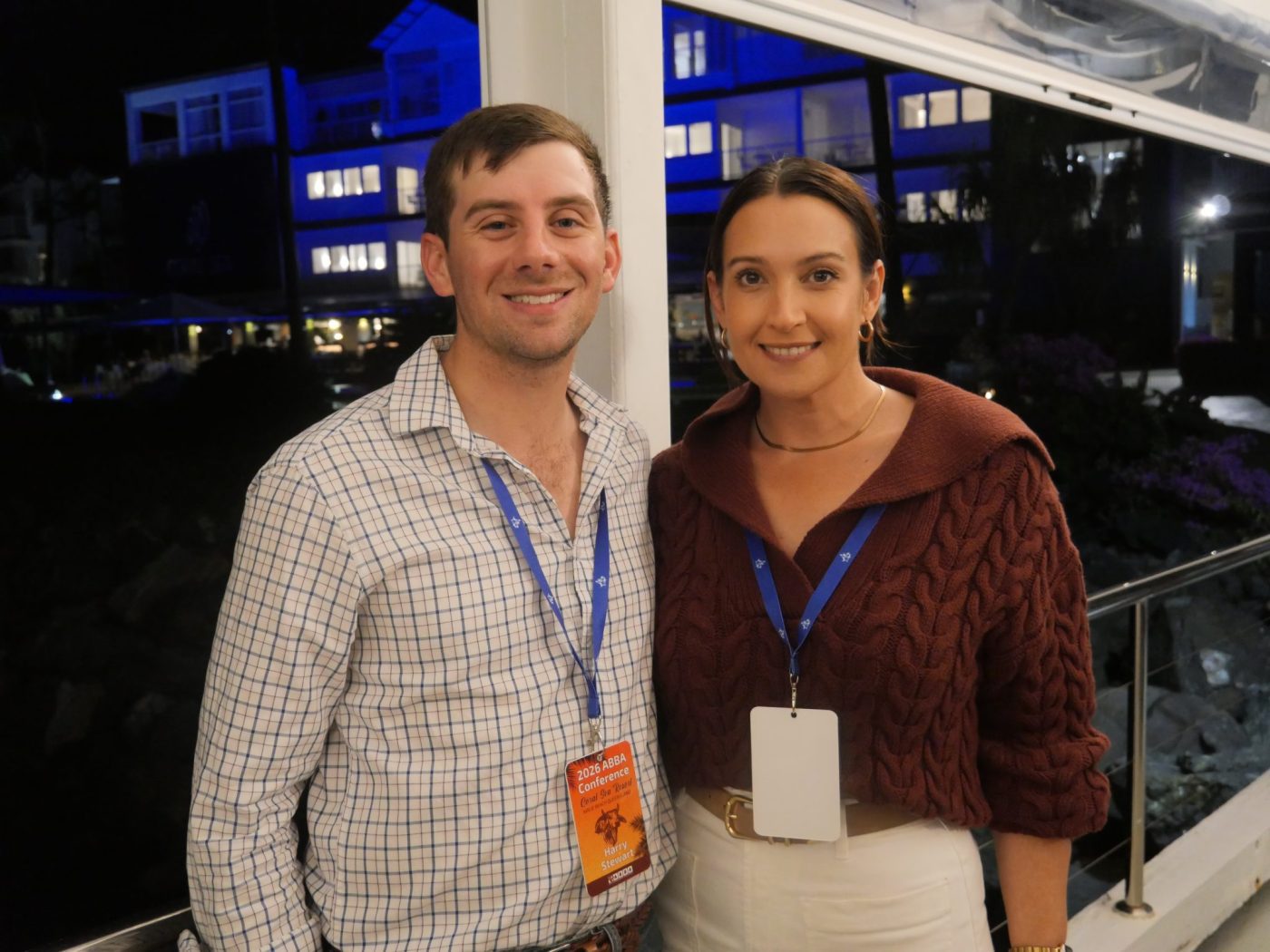
Harry Stewart, Neogen with Jane Armstrong, Insight Repro.
Have your say