
Image: Shutterstock
THE long-awaited release of the updated EAT Lancet 2.0 report has been published, with the authors doubling down on calls to reduce meat production and consumption.
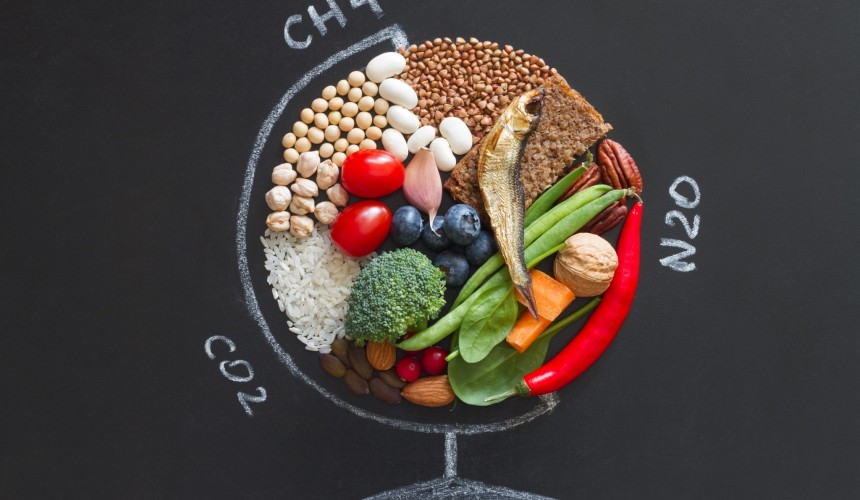
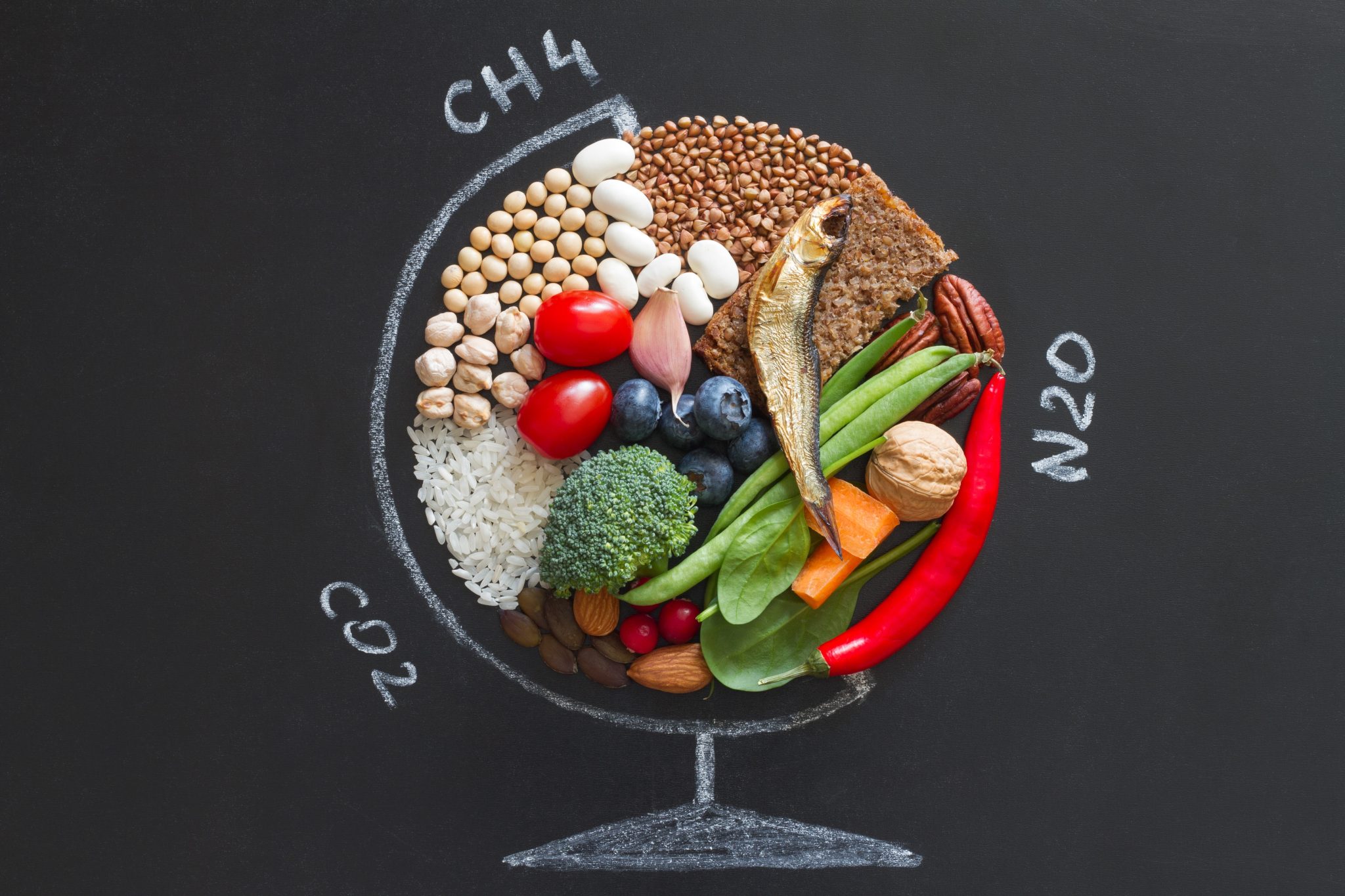
As one of the first studies to make a clear link between diets and climate, the Planetary Health Diet (PHD) was published in 2019 by the Lancet, which is known to be one of the world’s most respected scientific journals.
It ultimately recommended people eat a maximum of 14g of red meat/day to have a diet that was friendly to the planet. It labelled red meat an unhealthy food choice and put it on the same level as sugar.
A grass roots movement of scientists have been heavily critical of the planetary health diet, mainly because of the nutrient deficiencies it could cause to vulnerable people – especially women, children and the elderly.
While some of the language has changed in EAT Lancet 2.0 to talk more about inclusivity and “just” food systems, the basic idea of reducing meat consumption looks like it remains the goal.
An attempt to influence policy
The PHD was designed for policymakers to be able to adopt, with its principals becoming entwined with dietary guidelines across the world.
“The scale of change to the food system is unlikely to be successful if left to the individual or the whim of consumer choice,” the report said.
 “This change requires reframing at the population and systemic level. By contrast, hard policy interventions include laws, fiscal measures, subsidies and penalties, trade configuration, and other economic and structural measures.”
Another organisation called the EAT Commission was set up to become an intersection between science and policy.
Cities, countries and even the United Nations started talking more seriously about legislating a reduction in meat consumption and production.
Using the PHD as guidance, a group of 40 mayors from cities across the world, including Sydney and Melbourne, decided they were going to influence the shift. The C40 cities set a target to get consumption to somewhere between being meat free and 16kg/person/year by 2030.
With all the hype about reducing meat, plant-based meat companies started pitching themselves as the solution to a meatless society.
The pushback to EAT Lancet
In 2021, the EAT Commission became heavily involved in the United Nations Food Systems Summit, a conference set up to transform global food systems.
With the agenda of EAT and others pushing to replace meat with plant-based foods gaining traction in the UN, a group of scientists opposed to EAT made a late push to bring a more balanced and scientific outcome to conference.
Many of those scientists had identified issues with the EAT Lancet diet, in which the issues were admitted to by the authors but corrections were never made.
The scientists opposed to EAT Lancet were getting increasingly concerned that the weight of evidence supporting meat and livestock was being drowned out by work they believed was driven by an anti-meat agenda rather science.
They came together again in Dublin in 2022, where they presented what their science was saying about meat and livestock – before signing the Dublin Declaration to recognise meat and livestock as essential. More than 1200 scientists from across the world have now signed the Dublin Declaration.
The scientists met again in Denver last year, to present their science and work out a strategy to amplify their voices.
They released a similar document to help with dietary guidelines, called the nourishment table, which encourages consumers to prioritise wholefoods over processed foods and make sure they get adequate nutrients – rather than taking a reductionist approach.
The EAT Lancet diet did not reach the heights its champions had hoped, it has not seen much actual adoption and plant-based meat companies do not appear to be gaining market share.
EAT Lancet 2.0 is in its early stages and proper analysis of it will take weeks, if not months.
Beef Central will have another article if there any notable points to come out of the report.
- To read the full study click here
This article needs to be read with the evidence of some of the climate activist presenters to the Senate Inquiry into Information Integrity on Climate Change and Energy, in mind.
They are calling for legislation against what THEY say is misinformation or disinformation, including jail terms. Much of what they call misinformation is actually a very sound argument, or nothing more than a difference of opinion or philosophy.
One global organisation was even arrogant enough to suggest that elected members of parliament should be deplatformed if they speak against the narrative.
The global bullies must not be allowed to win.
Diet driven by green wash and nonsense. The Lancet should be aware that it is generally accepted that in the evolution of man, the major factor in developing his brain and driving the species division away from apes was when he came down from the trees and began walking in a more upright manner and consuming flesh as well as other proteins. That is when his brain began developing into that of a modern man.