
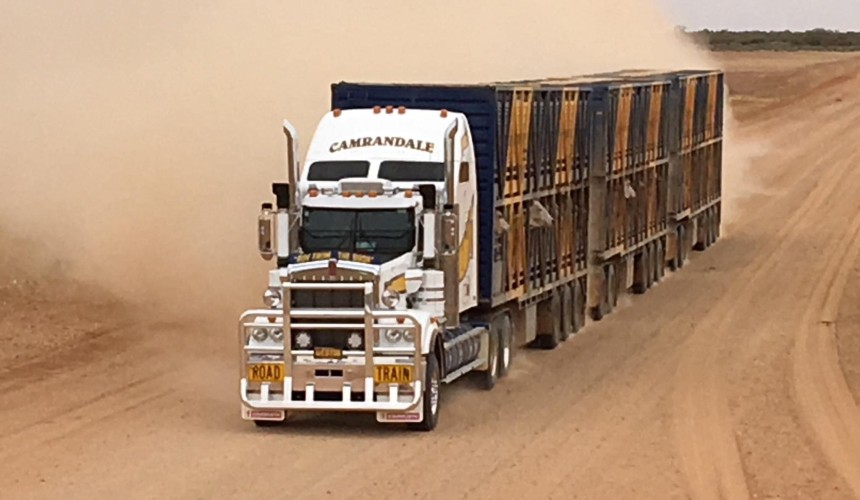
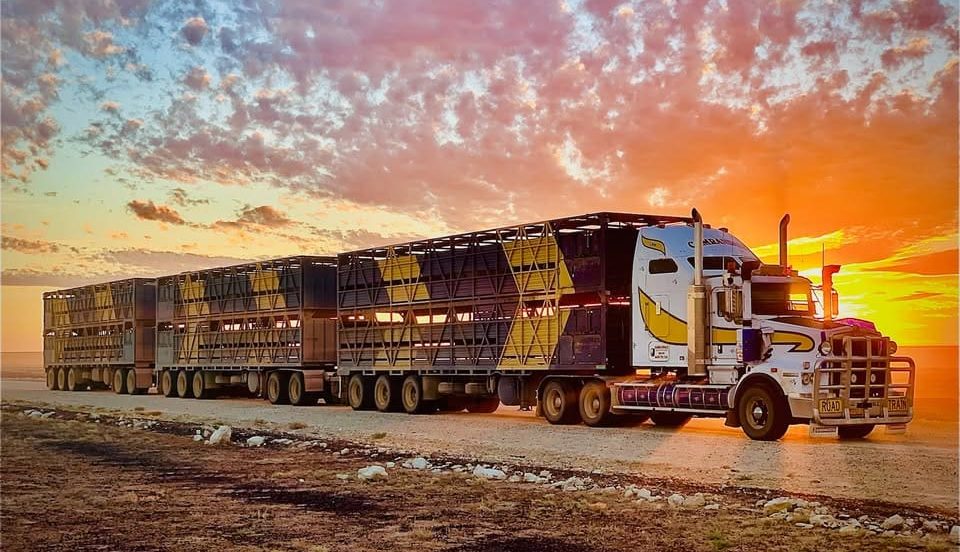
A 60 percent surge in the cost of diesel in three weeks has left Australian rural transporters facing one of the most challenging operating environments in memory.
At the start of March, diesel was sitting at approximately $1.65 per litre. In just three weeks, that has risen to between $2.70 and $2.90 per litre.
For an industry where fuel represents around 30 percent of operating costs, rural transport leaders say that level of increase is impossible to absorb in such a short period of time, particularly for small and family-run freight businesses.
In practical terms, a $1 per litre increase in diesel equates to a rise in freight costs of around 30 to 35 percent.
This was not a marginal shift, but “a fundamental change in the cost base of running a truck”, Australian Livestock and Rural Transporters Association (ALRTA) executive director Anthony Boyle said.
It was critical that customers across the supply chain understood what that increase actually represented, he said.
“A 30 to 40 percent increase in freight rates sounds significant, but that is not margin, that is simply cost recovery,” he said.
“When you consider the average operating margin in this industry is only around 7 to 8 percent, there is simply no capacity to absorb a cost increase of this scale.”
‘Not profiting from this’
Mr Boyle stressed that transport operators “are not profiting from this”.
“They are trying to stay afloat while one of their largest input costs has increased by more than 60 percent in a matter of weeks.”
ALRTA president Gerard Johnson said while the price shock was significant, it was important the situation was understood in context.
 “Australia does have sufficient fuel supply to meet normal demand, and both government and suppliers have been clear on that,” he said.
“What we are seeing is pressure in the system caused by a surge in demand, particularly in regional areas, and that is where the strain is showing.”
Broken down to a “per head” context, the cost of transporting a 300kg carcase weight animal on a standard journey from a property to a processing plant has increased from about 17c/kg carcase weight to 23c/kg carcase weight, or about $18 per head, Mr Boyle estimated.
Cost increases are never welcome or easy to absorb, but there is also a sense that had these rises occurred when cattle prices were at a much lower point of the cycle, the pain would have been even more acute.
“If everyone could just be understanding and work with their carrier to understand that price is what it is, we’ll keep working with everyone to deliver what we have got to do,” Mr Boyle told Beef Central.
Small operators significantly exposed
Many larger operators had contractual arrangements that allowed for fuel levies or surcharges, helping them manage volatility.
However, a significant portion of the rural transport sector was made up of small, family-run businesses that did not have these mechanisms in place.
“These operators are working day-to-day in an environment where fuel prices are moving faster than they can respond,” Mr Boyle said.
“For many small operators, the hardest part is not just the cost, it is having the conversation with customers.”
‘The hardest part is not just the cost, it is having the conversation with customers’
“They know their customers are also under pressure. But if they cannot pass these costs on, they simply will not survive.”
The result is not just financial pressure, but growing mental strain across the sector as operators try to manage the uncertainty.
“There is a real level of stress in the industry right now,” Boyle said.
“Family businesses are trying to make decisions in real time about pricing, cash flow and whether they can even keep operating under these conditions.”
‘Not a failure of the fuel distribution network’
At the same time, regional fuel distributors were also under pressure.
Increased demand in many cases was well above normal purchasing patterns, and that was placing strain on local supply chains.
Mr Johnson said it was important to recognise the role of distributors in managing the situation.
“This is not a failure of the fuel distribution network,” he said.
“It is a demand-driven issue, similar to what we saw during COVID with toilet paper. When purchasing patterns change quickly, it puts pressure on regional supply chains.
“For operators, that means managing both price volatility and supply uncertainty at the same time.”
Cashflow squeeze intensifying
There was also a broader issue underpinning the current situation.
Many trucking businesses were unable to pass on fuel cost increases in a timely way – or at all – creating an immediate cashflow challenge.
Additional practical pressures were also emerging, including fuel credit limits and limited access to multiple supplier options, which became more acute when supply was tight and prices are volatile.
Potential support measures
ALRTA, along with the Australian Trucking Association and other industry bodies, have been working through potential support measures this week.
Options being presented for Government consideration included temporary adjustments to the road user charge (RUC) of approximately 30 cents per litre to improve fuel tax credit outcomes and provide immediate cashflow relief, as well as exploring access to Disaster Recovery Funding Arrangements — typically used in events such as bushfires and floods — to support small operators under acute financial pressure.
There was also a strong case for increasing productivity to allow more freight to be moved per litre of diesel as a practical way to reduce cost pressure across the system.
“We cannot control global fuel prices or demand,” Mr Boyle said.
“But we can look at ways to improve efficiency, provide short-term relief and take some of the pressure off small rural operators trying to get through this.”
Mr Johnson said the industry’s focus remained on keeping supply chains moving.
“Freight operators play a critical role in keeping livestock, grain and essential goods moving across the country,”
“The priority is to maintain stability and ensure the system continues to function.”
Clear need for understanding across supply chain
Rural trucking operators were resilient, and the industry would work through this period. However, there was a clear need for understanding across the supply chain.
“Transport operators are not asking for sympathy, we are asking for understanding,” Mr Boyle said.
“This is a shared challenge, and it will take cooperation across the entire supply chain to work through it.”
Have your say