
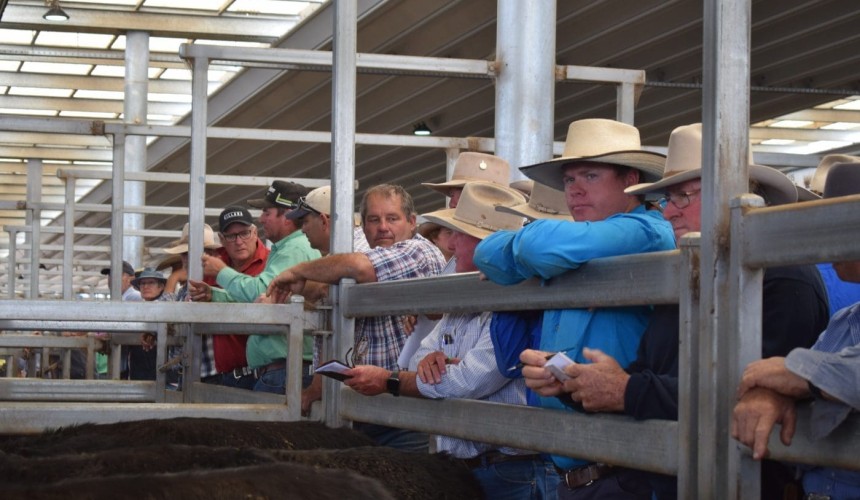
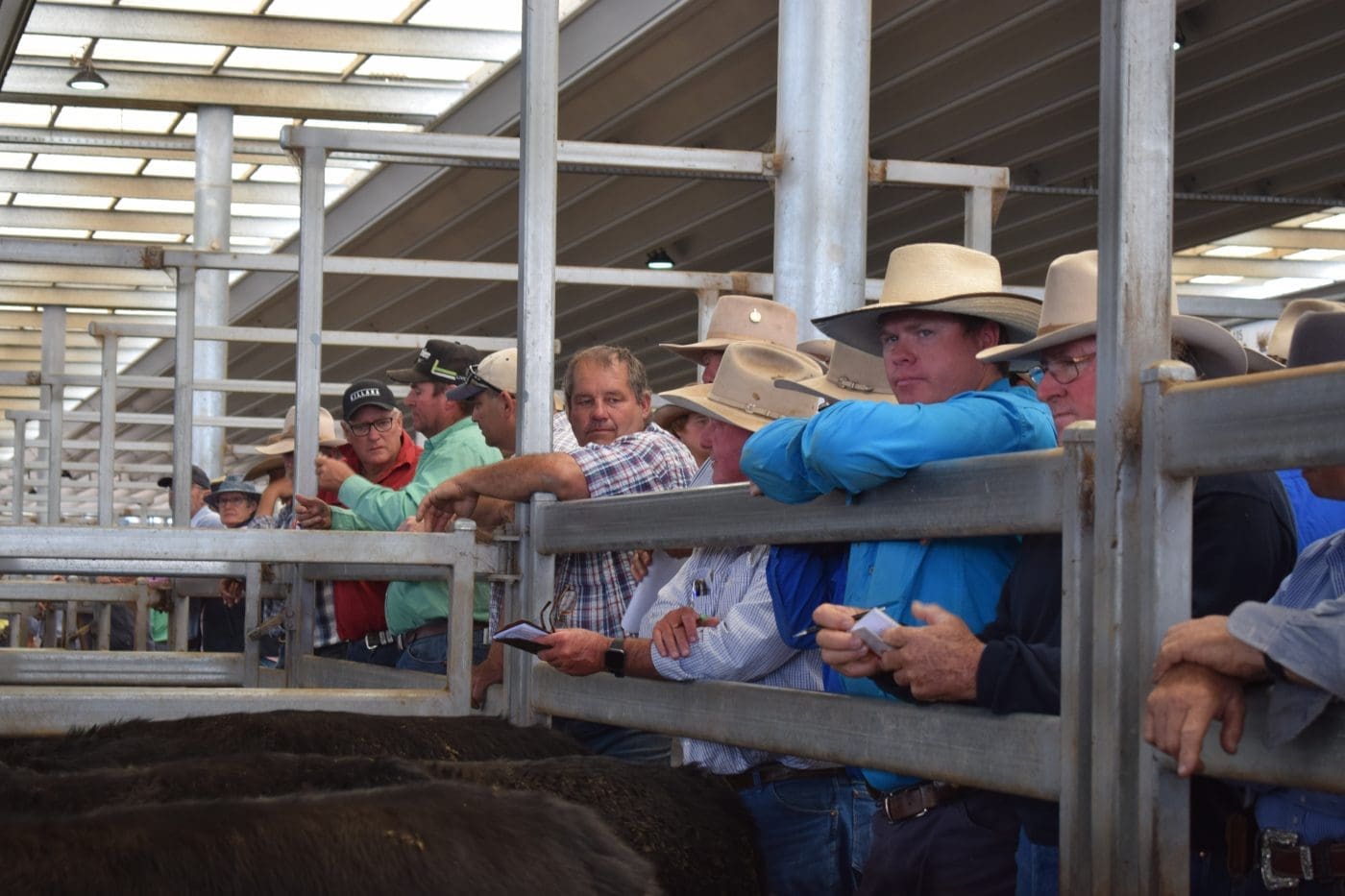
THE owner of Australia’s biggest saleyard network has confirmed a strategic review of its assets is underway, with rumours circulating that the Regional Livestock Exchange network was going on the market.
Well-placed sources have confirmed RLX’s owners, Palisade Investment Partners, have engaged Kidder Williams to undertake the review, with a decision about selling the company expected by the end of third quarter 2026.
It is understood that the review will assess RLX’s growth prospects and operating model under possible alternative owners – and compare to the prospects of Palisade Investment Partners retaining ownership.
The RLX network includes some of the largest and best-appointed saleyards in Australia, including Gracemere, Corangamite, Central Tablelands, Central Victoria, Hunter Region, Inverell, Northern Victoria and Tamworth.
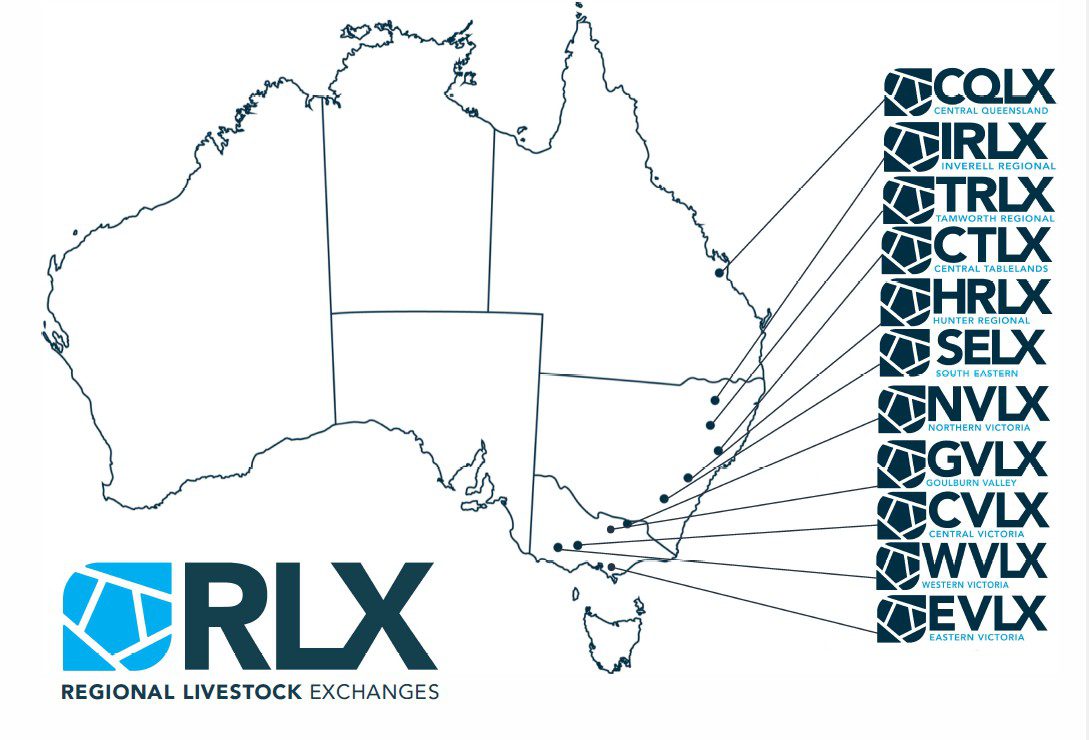
Click to enlarge. RLX owns 11 saleyards across the eastern seaboard. Source: RLX website
Looking at Meat & Livestock Australia numbers, the RLX saleyards have enjoyed a busy a couple of years. Last financial year, more than 1.5 million head of cattle were sold through its yards with a large sell-off in dry parts Victoria and Southern New South Wales. That is up from its average of 1.3m.
This year is heading in the same direction, with RLX saleyards in Tamworth and Inverell hosting record numbers over the past three months.
When contacted for comment, RLX would only say that the team “is focused on running the business to provide efficient, modern saleyard services for the benefit of producers, buyers, agents and regional communities.”
In 2022, Palisade parted company with investment group AAM, who were managing the RLX facilities. Palisade has since started managing the yards itself, under the RLX brand.
The rise of RLX saleyards
RLX has turned heads in the past two decades with more than $262 million in saleyard infrastructure – most of that investment taking place despite the rapid growth in online sales through AuctionsPlus.
 Most of the yards are now fully-covered, with adoption of features like automated weighing and processing systems, incorporation of online technologies to enhance pre-sale marketing opportunities and the availability of objective market data.
At the time, the investments were described as “patient capital” with confidence that saleyards were going to play a significant role in Australian livestock marketing for a long time.
According to MLA’s saleyard survey of the 2024-25 financial year, they have played a big role in recent times with numbers increasing by 20pc across the eastern seaboard.
It’s interesting to note most of the Saleyards owned by CLX resulted as in rural councils once having thier councillors rurally oriented,as they progressed to more urban oriented the councillors shifted to more mercenary than rurally focused,and lost interest in the broader advantages of owning thier yards.
Peter DeGaris