
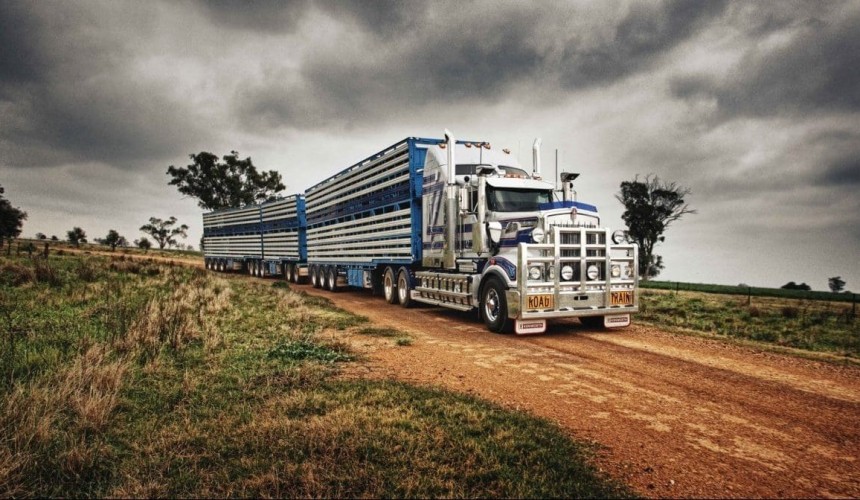
Below is a condensed but extensive sample of direct producer comments to Beef Central’s survey of impacts being caused by the Middle East war, capturing the pain, frustration and genuine concern being felt across the sector from the ongoing conflict.
Have you changed your fuel purchasing or usage behaviour in response?
We are in the early stages of this crisis. Our MAP was locked in but the urea prices have skyrocketed.
Trying to buy in bulk (as per normal) but I can’t get a delivery so far.
Ensured we have existing storage fuel on-farm, and reducing any optional travel, and enjoying my motorbike more.
Reconsidering some development projects however the vast majority of our fuel usage is unavoidable.
Looking into upgrading solar
We have purchased from fuel stations because our bulk delivery decreased
Rationing on farm use to essential operations EG Feeding and Mixing
Parked dozers up
Diesel vehicles are fueled up in town to leave farm fuel for tractors
Machinery has been parked and development work is now delayed
Not running heavy machinery in the interim
Reviewing planned activities for the next 3-months. Usually we would be planting but seasonal conditions are not favourable so we will probably delay.
Still have bulk fuel left which should last till end of April
Infrastructure/fencing/water programs on hold.
Trying to decide whether to proceed to beat upcoming price rises in all raw materials
Carefully watching prices and choosing the cheapest service station.
We are trying to be more efficient by travelling less between properties and less for supplies.
Bulk fuel that can be accessed, with delay, has been purchased on speculation that it may become unavailable or more expensive in coming months. Reducing usage is another option that may need to be implemented depending on how things turn out
When selling or buying livestock, we only do so if we can completely fill a truck, as the transport costs are far too high for part loads
Definitely trying to limit jobs to a need to do basis.
Operations are still fairly quiet due to the rain, but once mustering starts we can’t hold back.
Not spraying weeds in crops and delaying some grazing crop planting.
Fewer trips to town
Have current conditions caused you to change any production or business decisions – If yes, what changes have you made or are considering?
Looking to bring sales forward
Limiting travel
I direct market our beef and do a lot of travel, so every kilo is set to go up approximately $3 kilo
We are Fullblood Wagyu seedstock breeders and we are watching the global impacts on our client’s markets as to what we may or may not do.
Less long feeding of steers. Breed more heifers to straddle the risk period.
Reduced cropping plans/area to be sown, less fertiliser
We considered planting less crop, but decided to continue with our plans.
Forward purchasing next year’s fodder requirements.
Possible land purchasing delayed.
Reducing stocking and not completing earthworks and clearing.
Taking forward positions on all animals to minimise risk.
Front-loaded stock selling mainly due to future uncertainty for transport.
Delaying selling, potentially reducing muster to once this year instead of normal two rounds.
Planting less acres.
Reduction in land development.
Less driving to town or going anywhere.
No dozer work at all. Trucking must go on!
Whether we actually nominate for Brahman Week – we had no choice to take heifers to the Silverdale Brahman female sale this last weekend as we were already committed & had spent money on registration, nominating and testing. The price of diesel to get there cost us $1000. So the price we got for our heifers eats into any profit.
Selling stock earlier in case fuel supplies worsen.
Only using machinery and driving when absolutely necessary.
Supplementary feeding cattle later in year may not be possible because of cost and lack of urea and phosphorus. This will affect weight gains of sale cattle and condition of breeding cattle later in the season.
Walking more cattle between yards and being careful with fuel use eg take petrol car to town not diesel
Large machinery work is suspended until the fuel price settles back to reasonable levels. This work concerns pasture renovation work, and other road and dam construction activities.
So far have sold cattle early. Watching freight carefully.
Putting planned work using machinery on hold unless absolutely necessary
Lower mid-winter stocking rate due to no urea available
One less pass at sowing – going back to burning stubble
Have delayed capital expenditures
Have two large water schemes and 80km of fencing that I was going to do on hold for now.
Selling early
Mainly taking a more conservative approach, selling a little earlier and not restocking just yet.
Secured supply of stock supplement feed a lot further ahead than normal
Pre-purchasing of strategic materials and others likely to rise in price
Transport cost so delayed mustering
Reduced cropping.
Only very minor adjustments – as we are in drought we are in the middle of feeding not only young stock but cows etc as well. We need feed so on small amounts of rain we are sowing oats thus using fert and diesel, but our options are to sell everything which is not an option for our business. At this stage we just have to take the hit. If it does rain we will still sow wheat etc and again take the hit of rising prices for inputs as we just don’t know when this will end.
Downsize our company staffing level due to reduction in volume of business.
Stopped irrigating.
Cutting numbers back going into feedlot
Reducing travel
Tractor and vehicle use reduced. Reduced use of fertilizer
Destocking due to extremely dry season heading into winter. Selling all PTIC cows over 5 yrs old to abattoir. We have extremely limited supply of available feed, buying hay plus the massive freight cost to land feed on farm has forced the decision.
Property development deferred
Moving from just in time inventory ordering to ordering ahead and increasing inventory
Reduce numbers, sell rather than fatten
Property infrastructure development and maintenance that requires heavy machinery (dozer, grader, tractor) has been halted until diesel availability and price improves
Much less travel between properties, rethinking fertiliser/cultivation plans.
Planting pastures will be delayed but this is a decision combined with seasonal conditions.
Longer term, I see a flow on effect via reduced planting, leading to reduced grain availability for feedlots, and consequently impacting cattle prices in the future. We’ll continue to consider all business options and may decide to sell our feeder cattle earlier, at lower weights but higher prices.
Planned land refurbishment and dam cleaning postponed.
Scaling back development work for now
Selecting paddocks that will require less nitrogen for reseeding hay and silage
Less travel, use horse more to check livestock
Selling cattle slightly earlier in anticipation of some softening of the market.
Put a lot of projects on hold
Paused machinery use for pasture development projects.
Fencing and watering infrastructure plans on hold. Minimum planting for stock feed this winter. Prepared to totally destock with current costs and dire weather forecast.
I have sold all my trading cattle which I normally sell in the spring. Dry weather in the New England is also creating freight costs to increase significantly due to the fuel cost and shortage.
Filling all road vehicles at service stations. We are trying to keep enough on hand to plant in case none is available.
Do I put out fertilizer this year, waiting on a quote?
Looking to sell cattle earlier/lighter than usual so we don’t get stuck with them and become overstocked if transport is not readily available when they are the normal weight that we sell at.
Projects and work that uses less diesel – no heavy cutter bar work, less earthmoving etc
Earlier sales of cattle, halted all upgrades, only essential maintenance, parked machinery in shed
We are considering holding stock longer, and refraining from purchasing stock at this time, with a hope that the conflict in the Middle East ends soon.
Use fuel only for essential services.
Definitely thinking of other marketing options where I can limit the freight component ie using A+ rather than sending stock away at my cost.
Fertiliser and seeding plans reduced. Lick purchases deferred, probably to be reduced.
Delaying pasture renovation (fuel and fertilisers) and reduced livestock transfers to normal destinations and feeding and selling locally
Not purchasing replacement cattle, for time being.
This war is very fluid – if it continues into the winter the inflationary impact will effect demand and increase productions significantly. The full impact hasn’t flowed through yet – April will be telling month as we feel the full impact of high fuel costs.
Reduced pasture renovation
Delaying purchasing decisions of vehicles and machinery
Restrict non-essential activities and capital plans.
Diesel normally 2 day delivery, now a 2 week delivery time. Buying early and storing so I have access when required
Cancelled several plans. Reviewing options
Selling my cattle earlier than later. That is changed my sales plan in relation to anticipated drop in market prices. Also, won’t be sending as many small consignments direct to processor as freight costs are anticipated to skyrocket!
Changing market destinations for cattle, when selling cattle A+ is now the go to save freight costs.
Cancel plans that involves travel, think before you drive, think before you buy stock (higher freight cost) difficulty sourcing grain and higher commodity costs.
Increased ration costs have caused us to pass on the increase to customers
Buying in smaller cattle to slow down trading times
Reducing travel between properties and elsewhere to a bare minimum. Cant avoid the
50km round trip twice daily to the school bus though.
Cropping preparation etc
Stocking rates and transporting less
I am debating whether to plant winter pasture due to fuel and fertiliser availability
Carting my own stock to avoid 40 to 60 percent loading
What is your biggest concern arising from the current situation?
I am very worried about my supplement supply (10% urea)…It is key to my breeder operation & enables my breeders to be in good condition all year round …which helps deliver 300kg weaners, good preg tests, very forward PTE cows(last ones averaged 366kgs dressed weight) …the breeder herd is always in forward condition even when things dry off … without the lick I fear they’ll be set back
I do feel the full impacts possibly haven’t been seen yet
I am very concerned about the cost of hay next season in Victoria.
If there is prolonged limitations on availability of fuel and fertiliser or any further increase on shipping blockages, I am concerned there will be severe and long lasting impacts on farm and society in general. I am most nervous about impacts in poorer countries in Asia.
Very concerned about inflation & rising interest rates and market access/export demand.
Fuel cost is embedded in everything. The flow on effect of this fuel price shock throughout the supply chain, especially on the beef consumer‚ and ability to pay is highly likely to have a negative effect on cattle prices. Probably worth revisiting what happened in the 70’s beef depression. I believe oil price shock played a significant role
Inflation and interest rates The overall impact on inputs as well as consumer spending globally. This will impact non-essentials such as eating out which will impact meat sales.
Market access/export demand – the cattle slump in the 1970s was from a oil shock
Inflation and interest rates – Producers etc have to be heard after the war is over and supply gets back to normal so that prices come back to where they were before the war at least, not like what happened after Covid and remain high.
The disruption of export meat intended for the Middle East coming back onto the domestic market
Our cattle freight truck companies are very worried about supply (not just price) of diesel. Inflation and interest rates are also considerably concerning.
Fuel availability (as well as cost) is going to impact input costs, market access, and the supply chain. Without fuel, this country is going to grind to a halt very quickly.
We are price takers so I am already seeing prices on a downward spiral and panic selling. Saleyards are already closing bookings earlier ?
Hughenden has run out of Avgas and next boat is coming to Darwin in 30 days and then has to be trucked east. The cost will be horrendous. Very bad timing with everyone gearing up to start mustering after Easter weather permitting. Been waiting two weeks for bulk order but wet weather may be the problem trying to get enough properties to service a run.
Totally into the unknown. Impossible to plan ahead. We’ll all just have to hang on tight and ride it out.
Input costs, including interest going up at the same time as the ability to carry out our daily business being hindered, all while trying to counteract dropping prices for our product.
If these prices remain where they are or higher, inflation will be the problem and the economists will have difficulty managing it down.
I think April and possibly May will be high impact months as this fuel shortage flows though the economy.
Input costs increases are minor compared with reduced access and export demand.
Fuel cost and availability will restrict our business and all costs are going up daily; fert, poly pipe, parts, food, rubbish collection – all have significant price rises already
What support or action (if any) would most help your business manage current conditions?
Government and the reserve bank need to stop spending money and manage the economy better and the Reserve bank to stop raising interest rates. Drill baby drill! we need to be self-sufficient.
Remove Donald Trump
Our business will largely roll with the punches, put it would be nice to think Australia may come out of this thinking for itself by value-adding its own commodities rather than shipping it out for other economies to value adding for us
Government (ACCC) to charge the fuel companies for price gouging – this would stop the immediate fuel cost increases nearing 100% increase. This would also reduce all other costs for transport and food production.
Reduction in diesel costs
Price security and supply for farmers/food producers.
Stop subsidies on renewables (foreign assets)and allocate $ to local assets (fuel storage ) We need a reason to manage for the long term.
Fuel tax/levy reduction would help
We need to become self sufficient as a nation we have it all in this country.
Sourcing fuel from non-Middle East locations eg USA (short term), Australia (medium term).
Long term Australia needs to be able to produce its own fuel so we are protected from these sorts of events.
We are a resource rich country and we end up importing what we should be producing here. We also should embrace nuclear energy.
In the short term, I think we should be supporting America in the Strait of Hormuz. Fuel should probably be rationed in urban areas to protect rural areas.
There are no easy answers but the government needs to adopt a long term strategy.
A Government that takes decisive and tangible action to ensure fuel availability at reasonable cost
A government that believed in local industry (Plibersek blocked the urea business from starting in South Australia and a PM & treasurer that I aren’t addicted to spending, as it leaves no wriggle room when issues like this arises
The government re installing our energy independence as a country would reduce the risk of being held to ransom from any future scams.
Fuel cost assistance and fuel supply security.
Stock transport should be a top priority…..hungry stock obviously are not a product that can be left on the shelf for later. A band-aid fix is reduction in excise – other than that……not much can be done.
Fuel availability, ACCC watch on beef cattle price gouging.
Remove fuel excise, or create subsidies specifically for primary producers in relation to fuel. The effects will be felt on every day consumers in the supermarket in the future.
Diesel for farmers and trucks fully subsidised to stop inflation!!! A complete change of government and an end to the Iran war. Drill for oil, produce large quantities of ethanol in Australia for fuel.
Some relief on rising costs as most businesses increase the price of their product to cover their rising costs. Unfortunately we are not able to do that in the beef production industry.
The Government cutting the excise immediately to give farmers relief, when the fuel runs out there will be no meat, fruit & veg, groceries in general. Then the Government might get that they needed to do something a lot quicker.
Definitely a government with more common sense and have a wider view for the country folk living and working on properties and the little country towns that are struggling. It doesn’t seem the Nats have any say these days. We need better and stronger leader in all parties. BUT who would want to be in this job at present.
Continuity of fuel supply to everyone and return to affordable fuel prices
Finish what has been started with Iran, and Australia should lend a bigger hand.
The rural economy needs security of access to inputs to ensure food security domestically and for our exports.
A pathway forward for secure fuel supply and the same for meat processors, and road and sea transport and freight operators.
Securing nitrogen fertiliser to grow feed into winter. One application of 40 units is ample.
Good question. I don’t think there are any silver bullets. The windfall of extra GST the Government is receiving is worth looking at. 15c extra x 48 billion litres is a significant. I fear that we don’t have enough competent people leading the country to best manage our way out of this. Batten down the hatches.
Government funding for transitioning diesel to electrical where possible.
The federal government to stop spending money so the RBA doesn’t put up interest rates
A crystal ball?
Getting rid of Donald Trump in America would be the biggest help, not only in bringing a resolution to the war, but stabilising the world markets. Many of my answers will be different if the war continues for another couple months. I would expect it to have major negative impacts on our business if this occurs think our government is handling the crisis reasonably well up to this point.
Interest rates remaining unchanged, as then we don’t have to worry about that as well as rising input costs. Cap on fuel prices. At least cattle prices are still high at the moment! Trying to stay positive!
End the war
Making Australia more self sufficient
Communication from suppliers
Governments both State and Federal reducing spending which is being paid for by GST and excises eg fuel which has a huge multiplier effect on the inflation number which then gives the RBA further reason with the only “gun in their holster” being interest rates to curb spending.
Guaranteed fuel access to primary producers and transportation
Short term: Allowing transport operators to claim the fuel rebate in full for transport (this is the first and largest impact, all of our suppliers are adding 50% + fuel levies. Fast tracking biofuel and more refining capacity/production in Australia (eg Dalby ethanol running) . Ensuring the ACCC has the powers/resources to monitor fuel to independents to maintain competition in the market place. Stripping red tape to assist businesses to deal with the crisis. Significant reductions in regulation will be needed to counter the likely stagflation at the end of this. Industry needs to start self evaluating for reduction opportunities (including our crazy level of self imposed over-regulation)
Prioritising fuel supply to essential services
A fuel supply reservation for agriculture and freight. The government needs to look at redirecting the fuel currently available to the mines. Food security should be the priority.
Managing stocking rate to carrying capacity is and will become more important so as to avoid a position of forced sales. Financial flexibility from bank will also assist.
Just for the powers to be to realize we are an essential service
People, including the government, need to understand the importance of diesel in the entire food supply chain. Prioritising supply for food production and transport in regional areas is paramount in order to buffer the long term effects.
Get our politicians to pull their heads out of the sand
Remove Trump
Moving away from artificial fertilisers to a more natural approach to reduce shocks. Electrification as far as possible of infrastructure and equipment to remove fossil fuels from the balance sheets, and our fragile exposure to shocks in its supply system
Help America open trade routes.
Uncertainty is the biggest issue. We are probably 3 weeks off a diesel delivery but will it be available?
Export market access far more valuable than subsidies, rebates payments etc
If the ACCC were held accountable for doing their job. The oil held up in the Gulf isn’t due in Australia until at least July after it has been refined in Singapore. The fuel we are paying ridiculous prices for now left the middle east as oil months ago, long before any conflict started.
Prioritising food security. Most solutions so far seem to be very city centric. Discussions have been about “petrol” and keeping service stations operable but no major strides have been made towards ensuring supplies of fuel or fertilizer will be available when they are needed which is right now in many regions.
RAIN !!!!!!
Have your say