
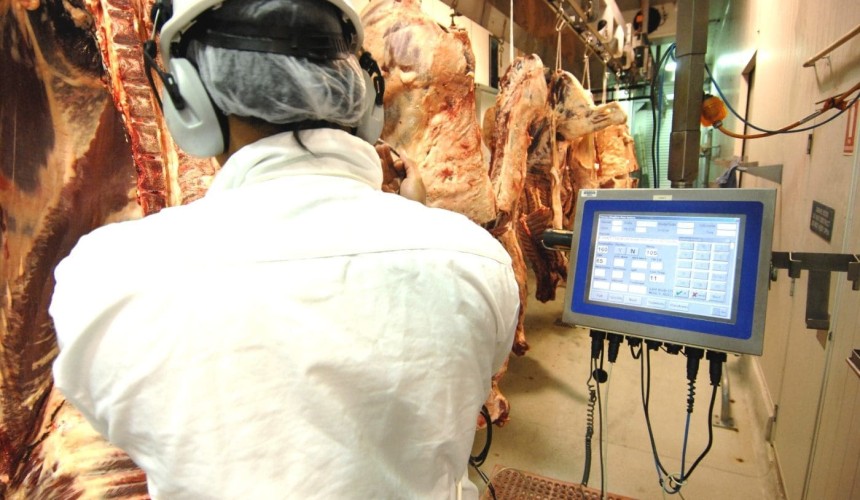
SOME southern states direct consignment grids have risen this week following scattered local rain, and signs that the big turnoff cycle involving cattle from parched areas of northern NSW and southern Queensland may be coming to a close.
Falls of 5-20mm overnight in areas around Gunnedah have been enough to add a little more optimism into the mix this week, with the prospects of another weather front to come later this week.
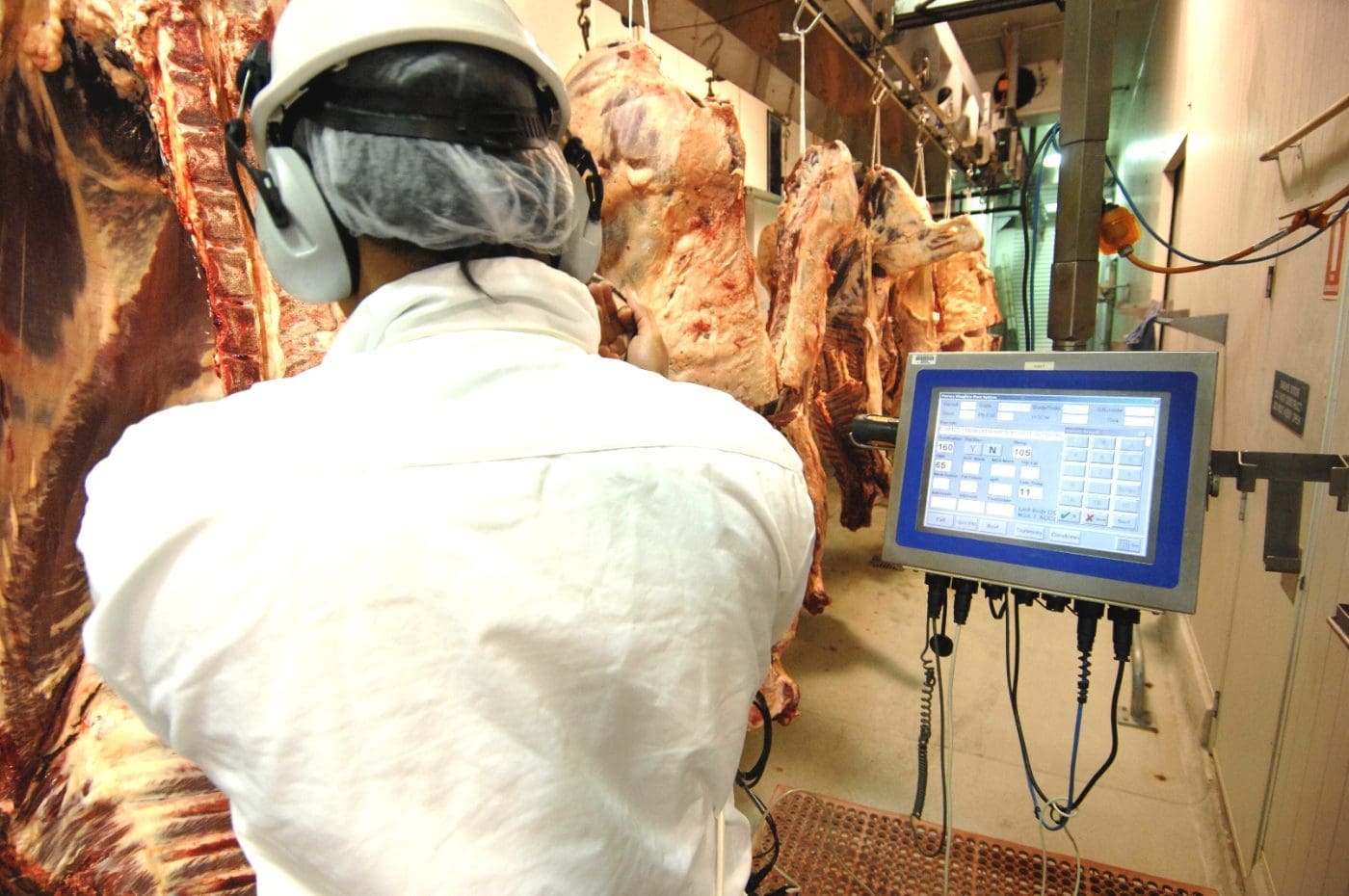 Grids among competitive processors in eastern parts of South Australia are mostly 20c/kg higher than this time last week.
Best offers seen this morning include 850c/kg on four-tooth grass ox and 750c in eastern parts of South Australia, up 20c, partly due to lower supply of cheaper cattle out of dry areas of NSW. Another SA grid has lifted MSA-type cow money from 760c to 780c/kg this week, and 880c on MSA grass yearling steer.
Southern NSW plants this week are so far unchanged, with 820c on four-tooth grass ox. Some southern NSW plants are currently not actively quoting, being will covered until the early stages of June.
After a series of downwards corrections since late March, Queensland over-the-hooks grids appear to be more or less unchanged this week. Since the start of March northern processor grids have fallen 70-80c/kg (from 830c/kg) on four-tooth ox, and 80-90c/kg (from 750c) for heavy slaughter cows.
Much of that is being driven by supply pressure, with processors in the southern parts of the state now more or less covered for May kills, and now booking space (in some cases unpriced) for early June, or at earliest week starting 31 May.
Central and Northern Queensland sheds are even more heavily booked deeper into June, several operators told Beef Central. The slow start to the year caused by rain has seen cattle held back for delivery this month, which is only added to congestion in Central Queensland.
A number of large Queensland and interstate export plants scheduled another weekend shift last Saturday, and again yesterday (Monday Labor Day holiday in Qld), while JBS Dinmore has now moved from nine to ten shifts per week, up from eight shifts earlier, as the labour situation has improved.
 That’s been reflected in some very large weekly kill numbers during April, also reflected in vigorous export beef volume for the month reported yesterday.
In southern parts of Queensland, direct consignment grids among competitive export processors this week are showing 755c/kg for four-tooth heavy grass ox (765c for no HGP on some grids) and 660c/kg on heavy cows.
In Central Queensland, offers only a few weeks ago were only 10c/kg behind the southern parts of the state, but are now consistently 20c/kg behind, as local turnoff starts to gather momentum.
Forward contracts out of southern Queensland grainfed plants on 100-day grainfed cattle heading for August delivery are currently quoted by several operators at 840c/kg, down from 850-870c last month and the month before.
One large multi-site Queensland processor senses that forward bookings are now starting to steady-up, after a particularly vigorous booking period during March and April.
“In those very dry areas of northern NSW, most producers have now sold what they wanted to sell, and the panic has gone out of it a little. And the bit of rain that’s fallen in parts of the south, and the prospect of a little more ahead has changed the outlook a little.”
Saleyards trends:
There’s clear evidence over the past fortnight of saleyards numbers starting to decline following the major sell-down of stock in parched areas of northern NSW
Roma yarded only 4700 this morning, down 1300 on last week, and back almost 3000 on a fortnight ago. A quality yarding penned with the market solid with increases for the better lines. At the time of this interim report (full report tomorrow) yearling steers 200-280kg sold from 350c-534c/kg, steers 280-330kg from 346-526c/kg. Yearling steers 330-400kg averaged 446c/kg, steers 400-480kg from 426-442c/kg, while grown steers +600kg sold to 406c/kg.
Gunnedah store sale this morning yarded 5200, down 800 on last week, offering a a fair quality yarding consisting of predominately cows, weaner and yearling type cattle. Overnight local rain helped fuel an overall stronger market. Yearling steers to feed were 10-15c dearer making 428-490c to average 464c/kg. Prime grown cattle to the processor made between 310c and 442c/kg. The cow market improved by 15-20c, with score 2 cows to the processor making 250-290c/kg and score 3s 280-325c. Prime heavy cows ranged from 300-364c to average 335c/kg.
Tamworth sale yesterday yarded 6028, down 870 on two weeks ago. It was a reasonable quality yarding again with large numbers of cows on offer. Increased competition on store cows for an overall brighter market. Prime grown steers to the processor increased in quality and showed 40c rises in places, to reach 412c/kg. Score 2 cows to the processor ranged from 165-277c, while score 3s made from 256-320c. Prime heavy cows made from 300-350c to average 322c/kg.
Carcoar yarded 3688 this morning, up 400 on last week. Cows up to 40c dearer, and feeder steers lifted 20c/kg. There were some outstanding runs of heavyweight feeder steers, along with a few good pens of heavy grown cattle to process. All the usual buyers were operating, along with three returned buyers, resulting in a dearer market. Feeder steers were 20c better, making 400-528c, and heifers to feed lifted 10c, ranging from 380-492c/kg. Heavy grown cattle to process lifted 5c, with the steers reaching 484c, and the heifers topped at 475c/kg. Cows were up to 40c dearer, with score 2s and 3s ranging from 250-358c, and heavy prime cows from 336-382c/kg.
Wodonga yarded only 630 this morning, on the back of rain across the supply area. Not all major exporters made it to the sale however the ones who did attended were keen to make purchases. Trade steers 400-500kg sold 3c dearer selling from 440-490c/kg. Trade heifers were well supplied to sell between 400-493c/kg. On the export side heavy steers and bullocks were mostly very good, making from 425c-485c/kg. Heavy cows were in reasonable numbers, and most buyers were looking to make purchases. The bulk of the well finished D4 heavy cows gained 19c ranging from 355-383c/kg. Leaner cows under 520kg and with some cover regained last week’s losses to average 319c/kg.