
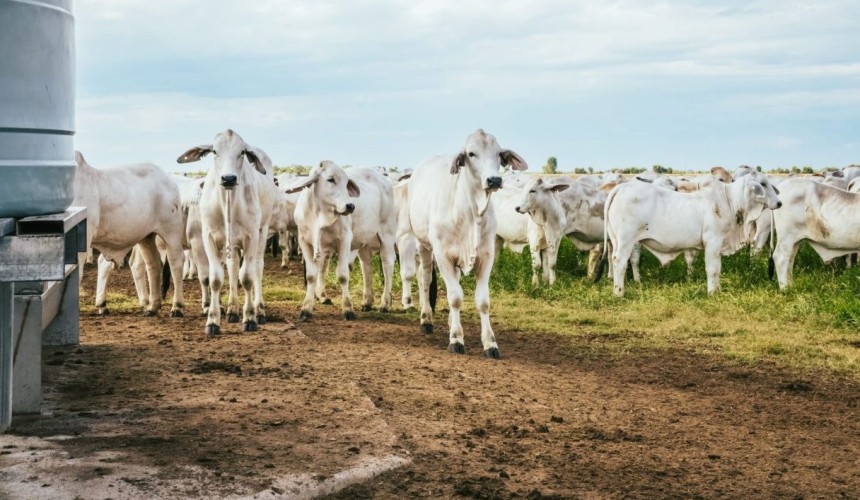
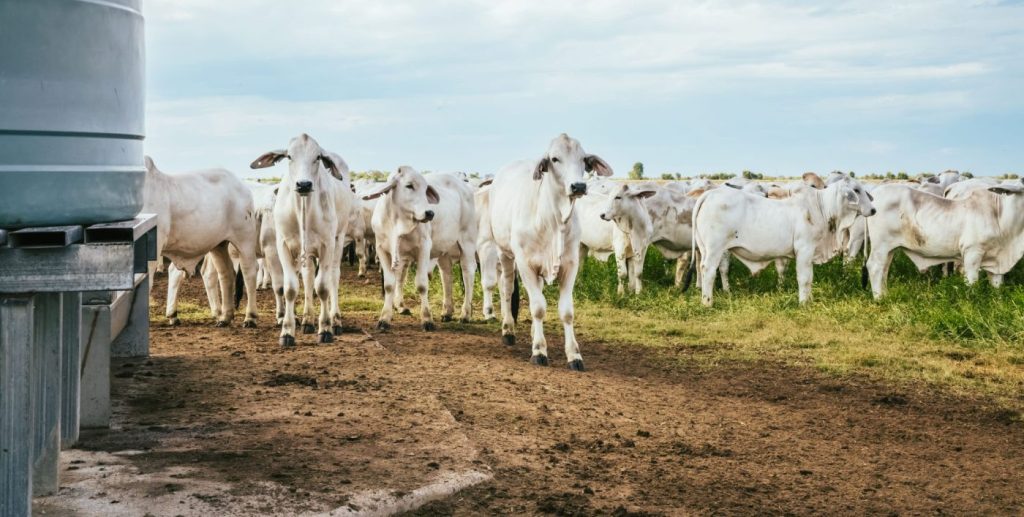
IMPLANTS have been used to improve growth rates and feed conversion efficiency in beef cattle for more than 40 years.
The vast majority of grainfed cattle in Australia and at least 20 percent of grassfed cattle in northern Australia destined for turn-off are now treated with hormonal growth promotant implants at some stage of their lives,1,2 adding an estimated $236.3 million in extra profit to the industry each year.3
Implants also deliver important management and environmental benefits by reducing time to turn-off, maximising productivity from available resources and reducing greenhouse gas emissions per kilogram of beef produced.4-6
Elanco Technical Services Consultant, Craig Stevenson, says the most suitable implant type and strategy depends on the growth stage of cattle to be implanted, the anticipated time to turn-off and available nutrition during the pay-out period.
“The objective of any growth promotion program should be to attain target market weights sooner with minimal impact on carcase or eating quality,” he says.
“Different implants contain different modes of action, which can impact meat quality.
“Certain implants and implant strategies can affect eating quality by reducing marbling, carcase fatness and aging potential, and increasing ossification.7
“Likewise, different formulation types directly impact the length of the pay-out period and this has a major impact on the way they are best used.
Implant differences
Implants contain either oestrogenic only compounds or a combination of oestrogenic/androgenic compounds.
Oestrogenic only compounds stimulate the pituitary gland to release more of the body’s own natural growth hormones, increasing satellite cell proliferation, amino acid uptake and protein deposition.8
“The benefit of oestrogenic only compounds is that they have minimal impact on carcase fatness or marbling score, regardless of length of pay-out or if cattle are re-implanted after the initial pay-out period has expired.9
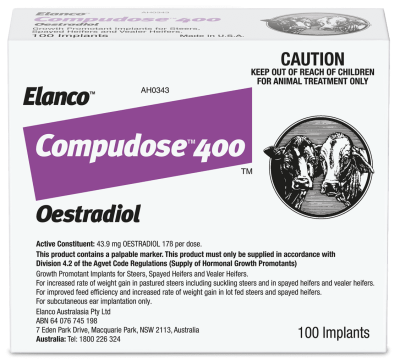 “Examples include Compudose™ 400, 200 and 100, which contain oestradiol 17ß, a naturally-occurring oestrogen.”
By comparison, oestradiol/trenbolone acetate (TBA) combination implants contain both oestrogenic and androgenic compounds.
Androgenic compounds (e.g. TBA) act directly on muscle tissue, stimulating protein/muscle synthesis and reducing muscle breakdown.8
However, androgenic compounds can reduce carcase fatness and marbling score, particularly if cattle are implanted during the early stages of growth or are re-implanted after the initial pay-out period has expired.
They can also increase the incidence of dark-cutting carcasses, particularly if cattle are slaughtered during the pay-out period.9
All Compudose implants consist of an inert silicone rubber core covered with a coating of medicated silicone rubber, which slowly releases oestradiol into the bloodstream to provide a daily dose above the threshold required for growth promotion.
The durable core can’t break or crush during implantation, helping to ensure consistent pay-out and long-term performance.
Specified pay-out period
Compudose 400, 200 and 100 are the only implants that have a specified pay-out period and a minimum re-treatment interval of 400, 200 and 100 days, respectively.10
“As a guide, Compudose 400 is recommended for use in growing cattle more than 400 days from anticipated turn-off,” Craig says.
“As a long-acting oestrogen implant, Compudose 400 maintains sustained growth promotion throughout the year, regardless of seasonal variations in nutritional quality.
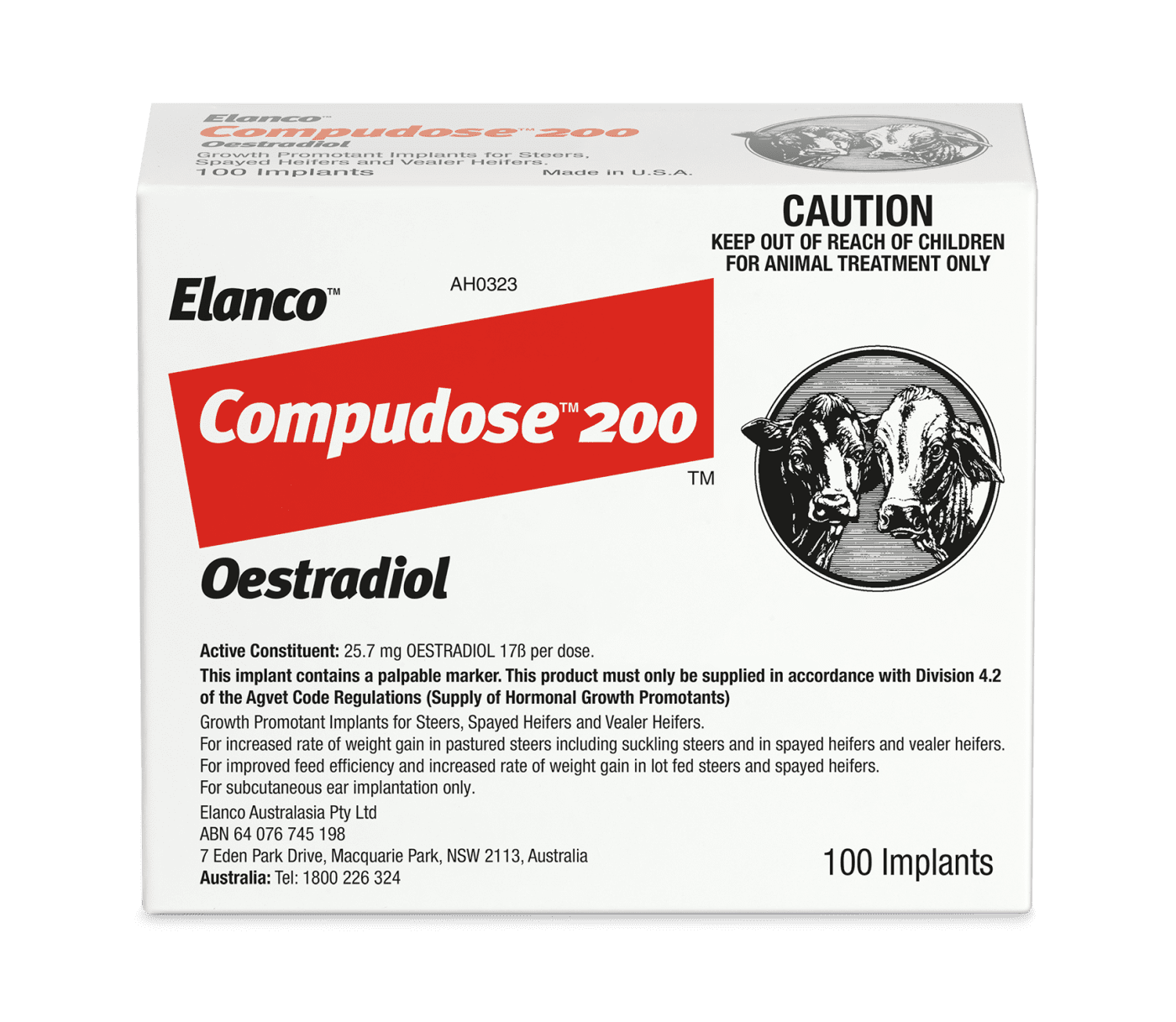 “Medium and short-acting oestradiol-only implants, such as Compudose 200 and Compudose 100, are recommended if shorter periods of growth promotion are required in growing or finishing cattle.
“By comparison, oestradiol/TBA combination implants – particularly high concentration formulations – are best used in finishing cattle that have access to a high plane of nutrition, such as feedlot cattle.”
Whole-of-life programs
Craig says many producers are implementing ‘whole-of-life’ implant programs to achieve sustained growth promotion from branding right through to turn-off.
“For optimal growth rates, the implant program should commence at branding and then continue uninterrupted,” he says.
“A typical whole-of-life program involves implanting first-muster calves with Compudose 400 and then Compudose 400 or Compudose 200 at the following first-round muster in growing cattle.
“Using Compudose 400 at the first muster will ensure a functional implant will be in place throughout the dry season and the following wet season.
“Second-muster calves can be implanted with Compudose 200 and then Compudose 400 at the following first-round muster.
“This strategy means the pay-out period of implants in all yearling stock will run out at roughly the same time the following year, allowing producers to re-implant cattle as a single management group at the next muster.
“Alternatively, second-muster calves can be implanted with Compudose 400, provided management allows segregation from implanted first-round steers, and then re-implant with Compudose 400 at the following second-round muster.
“Regardless of the implant strategy chosen, it’s always best to check the acceptability of consigning implanted cattle with your livestock agent, feedlot or processor before implanting your cattle.”
Your Elanco representative can provide further advice about which implants and implant strategies are best for your situation.
Always read and follow label directions. Results may vary depending on nutrition.
References: 1. Avcare Audit Data MAT Mar 2025. 2. Fast Facts – Australia’s beef industry (2025). Meat & Livestock Australia. 3. Freshagenda (2022). Beef market analysis relevant to the use of HGPs. 4. McCrabb, G.J. & Hunter, R.A. (2002). Lifetime methane production is reduced when beef cattle are repeatedly treated with an hormonal growth promotant. Proceedings of Australian Society of Animal Production. pp. 327. 5. Capper, J.L. & Hayes, D.J. (2012). The environmental and economic impact of removing growth enhancing technologies from U.S. beef production. J Anim Sci 90(10), 3527-37. 6. Capper, J.L. (2011). The environmental impact of beef production in the United States: 1977 compared with 2007. J Anim Sci 89(12), 4249-61. 7. Meat Standards Australia Beef Information Kit (2018), Meat and Livestock Australia. 8. Reinhardt, C. (2007). Growth Promotant Implants: Managing the tools. Vet Clin Food Anim 23:309–319. 9. Hunter, R.A. (2009). HGP use in the Australian beef industry. Meat and Livestock Australia. Project B.NBP.0397. 10. Registered label directions, apvma.gov.au.
Compudose 400 contains 43.9 mg oestradiol 17ß. Compudose 200 contains 25.7 mg oestradiol 17ß. Compudose 100 contains 21.1 mg oestradiol 17ß. Compudose™, Elanco and the diagonal bar logo are trademarks of Elanco or its affiliates. ©2025 Elanco or its affiliates. EAH25726. PM-AU-25-0862.