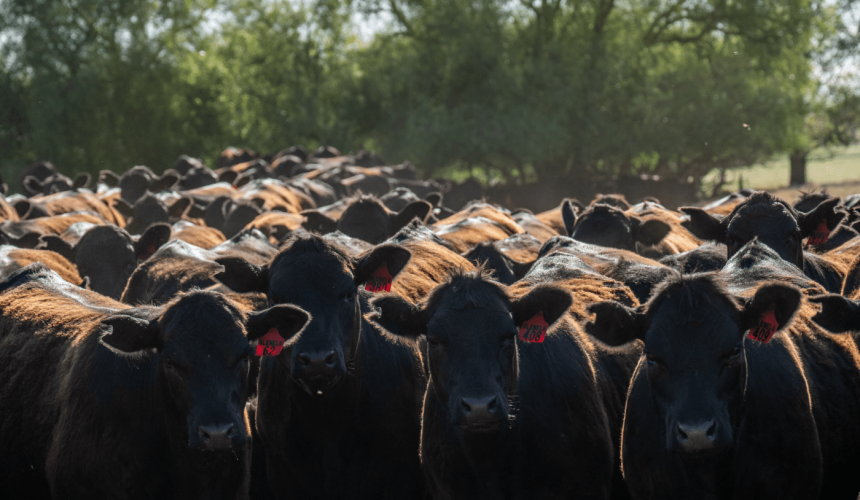
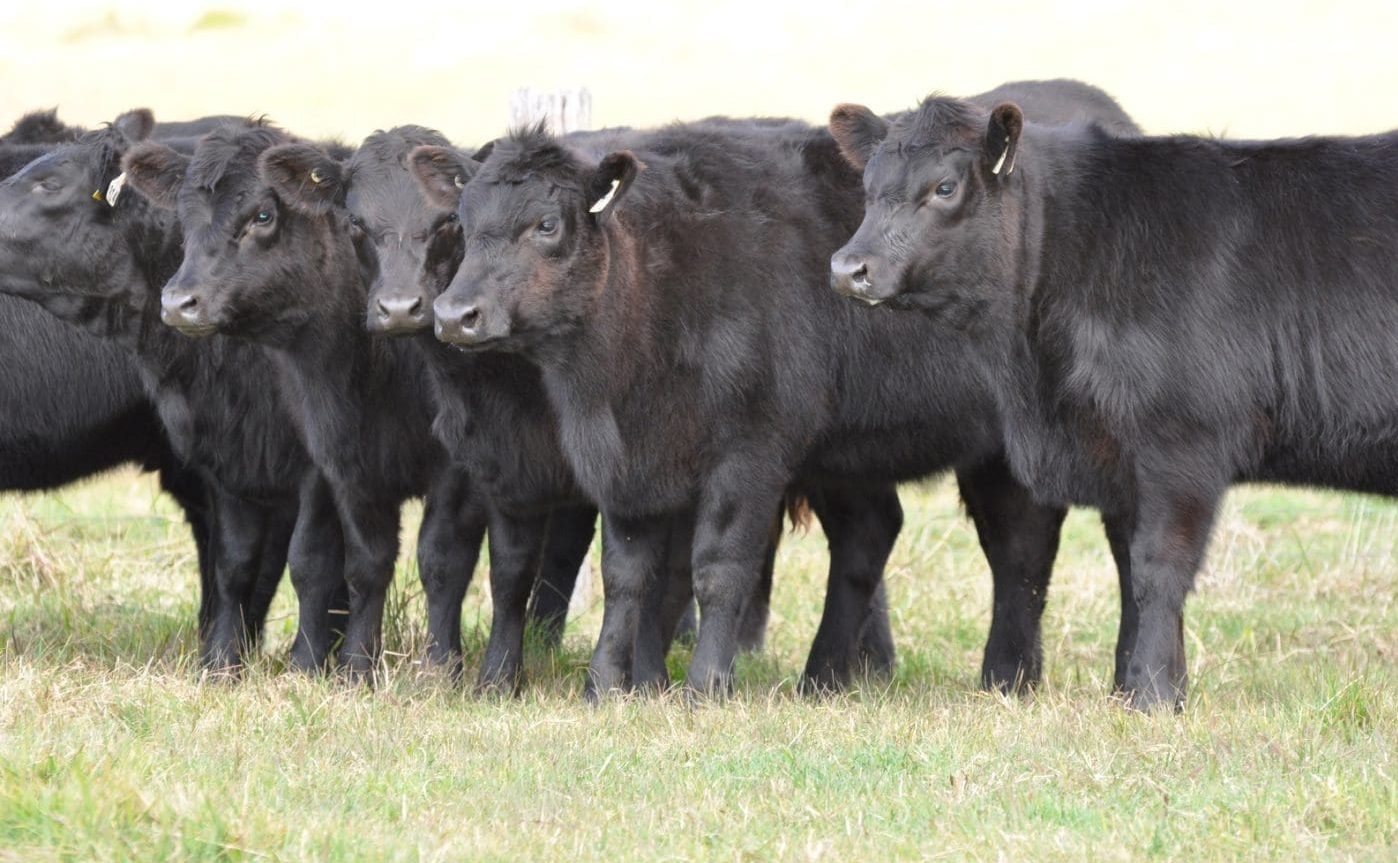
AS the Australian beef industry shifts towards more lotfeeding, ensuring young cattle arrive healthy and resilient is essential for optimal productivity and animal welfare. Bovine Respiratory Disease (BRD) has become the most common health problem in feedlot cattle and poses significant threats during this transition.
Fortunately, with strategic management and the addition of Bovi-Shield MH-One and Rhinogard IBR to vaccination programs, producers can set their young cattle up for success and have them ready to perform on farm and in a feedlot environment.
Why respiratory health matters on your farm
Bovine Respiratory Disease is no longer just a “feedlot disease.”
It’s a threat at every stage of beef production, especially during stressful events like weaning, transport, commingling and induction into new environments. Each stress event can compromise immune function, making cattle susceptible to respiratory viruses like Infectious Bovine Rhinotracheitis (IBR) and bacteria such as Mannheimia haemolytica (MH).
The cost to the producer is significant:
- BRD can reduce average daily gain by 10–20pc1,
- reduce feed conversion efficiency,
- lower meat quality (especially marbling)1,
- lifelong impacts on the animal’s growth and reproductive potential2,3,
- increase sickness and treatment cost,
- and, in severe cases, lead to death.
Often, the disease is masked until feedlot and abattoir surveillance but even after cattle have been through feedlots, carcass inspection reveals twice as many cattle with lung lesions (BRD) as were visibly sick on-farm4.
This means that invisible losses can erode profitability and reputation. For young cattle, known for their growth potential, any setback between weaning and feedlot entry can mean massive losses for producers.
Stress: The Catalyst for Disease
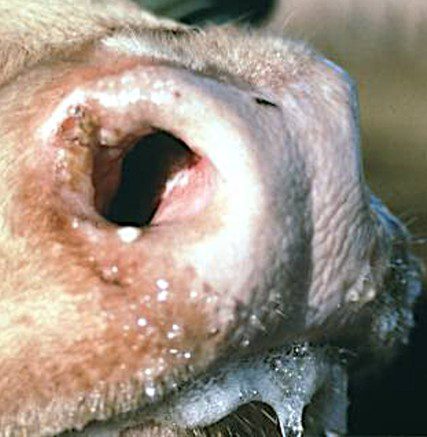 Stress is the primary trigger for BRD.
Events such as weaning, transportation, cohort mixing, and dietary changes all compromise immune defences, allowing viruses and bacteria to take hold.
Infectious Bovine Rhinotracheitis (IBR) and Mannheimia haemolytica (MH) have been the agents most isolated which both commonly present in Australian herds5 and both capable of turning healthy cattle into a sick animal in a short period of time.
The Power of Prevention: Vaccination
Rhinogard IBR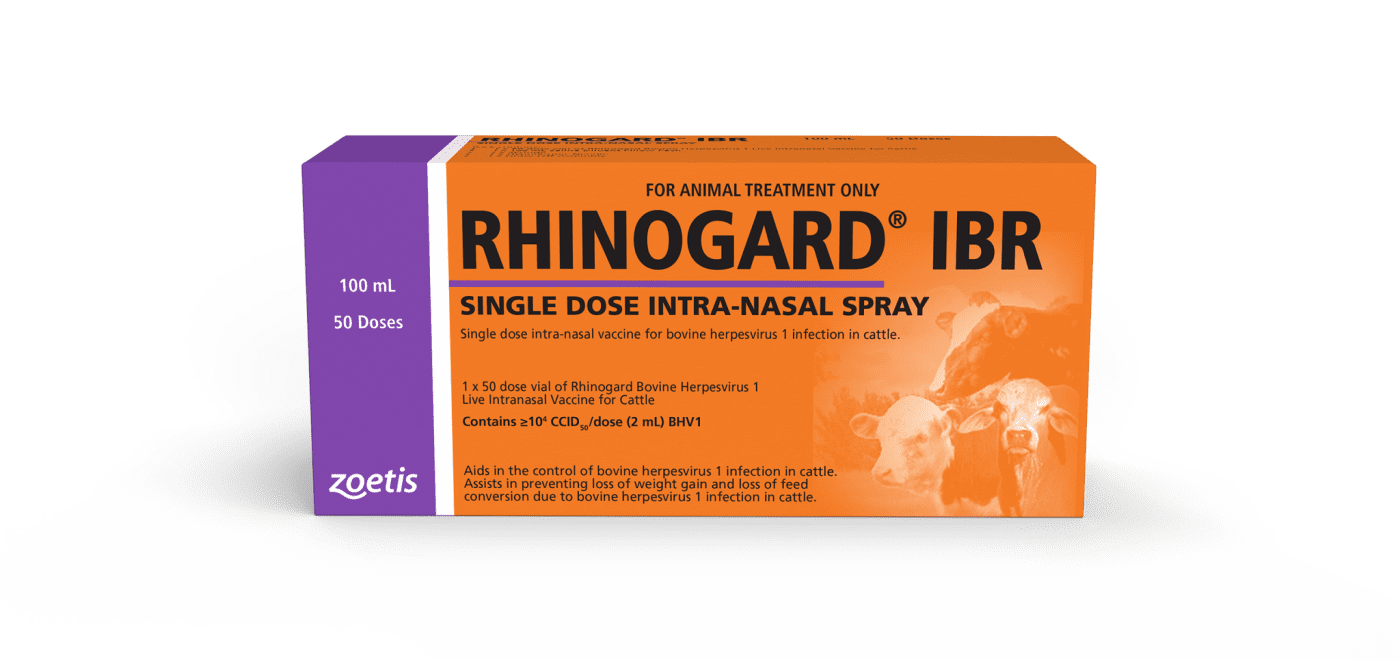
- Single-dose, intranasal spray: Rapid onset of protective immunity, producing local and systemic protection.
- Stops IBR at the entry site: Prevents the virus from gaining a foothold in the respiratory tract.
- No interference from maternal antibodies: Suitable for calves at any age.
- Convenient, cost-effective: Saves labour by requiring only one muster.
Bovi-Shield MH-One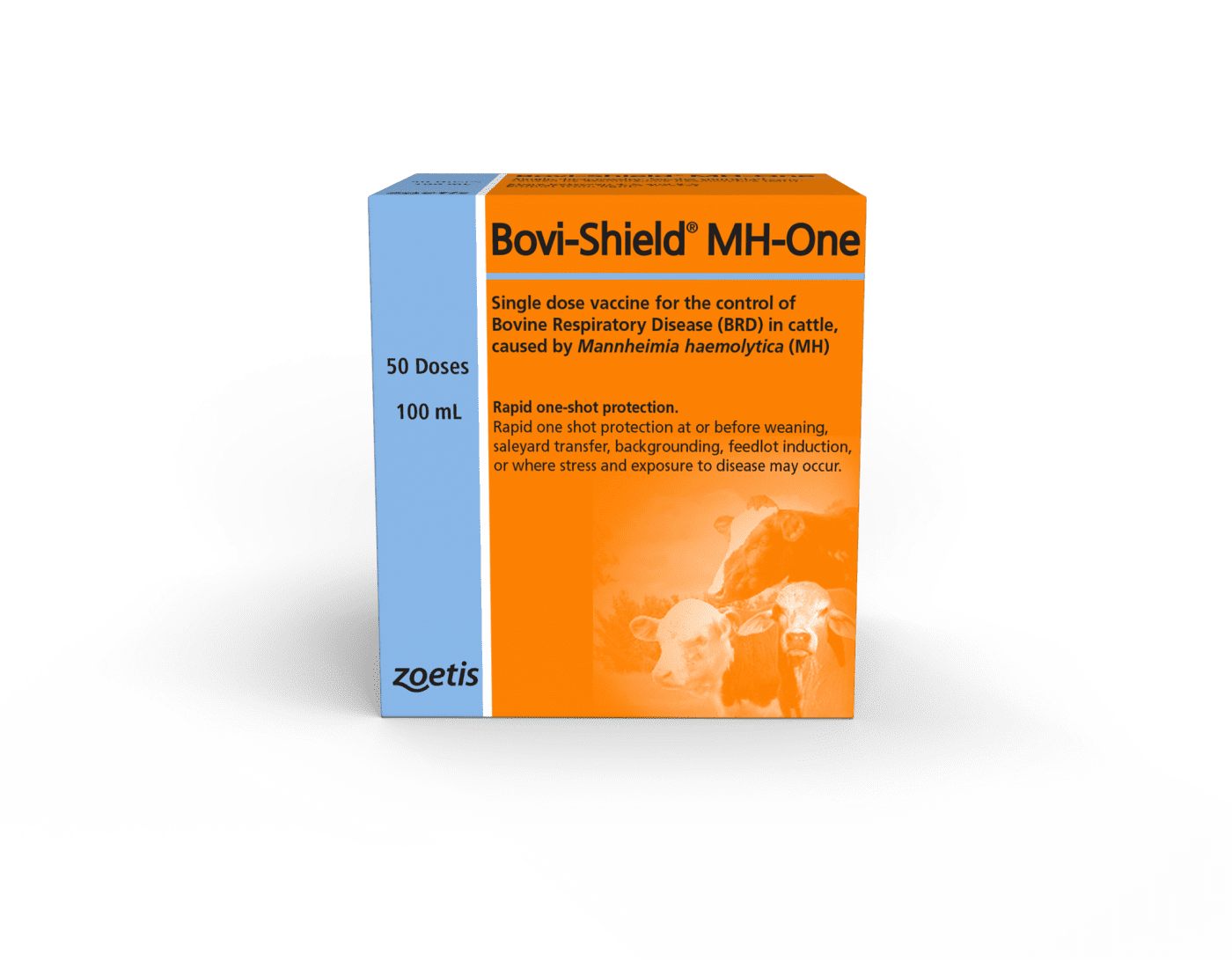
- Single-dose, subcutaneous injection: Protection against MH in as little as 7 days, lasting at least 17 weeks.
- Reduces risk of severe pneumonia and pleurisy: Critical for young cattle entering high-risk environments.
- Convenient, cost-effective: Saves labour by requiring only one muster.
Combined IBR+MH BRD Vaccination Protocol
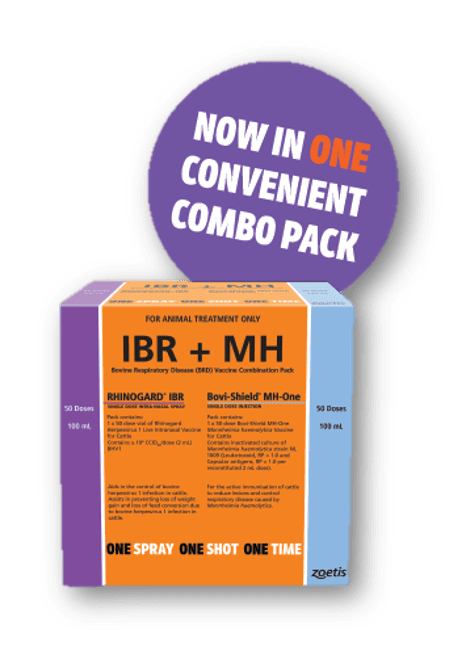
Administering both vaccines at or prior to weaning and feedlot entry offers broad protection at multiple stages of the BRD disease cascade. Rhinogard tackles IBR, a key viral threat early, while Bovi-Shield prevents secondary bacterial pneumonia. Ensuring calves are correctly vaccinated with a clostridial vaccine (e.g., 5in1 or 7in1) ticks the boxes for the Immune Ready6 program and ensures your weaners are not only Immune Ready but “feedlot ready”.
Management Matters: Setting Weaners Up for Success
Vaccination is only one piece of the puzzle. The following management practices are essential for preparing your weaner cattle for the feedlot:
Optimal Weaning
- Wean calves at a weight of at least 130kg; in tough conditions, as light as 100kg is acceptable7.
- Batch wean if group sizes exceed 100 to maintain stable social groups and minimize stress.
- Yard wean – Hold calves in a yard for 5-10 days with feed provided from troughs and hay feeders to accustom calves to a feedlot environment.
 Nutrition
- Feed a nutrient-dense ration (11.5MJ/kg DM, 16–18% crude protein7) and ensure constant access to clean water (minimum 3cm trough space per head).
- Seek nutritional advice to avoid digestive upsets and maximize growth.
Parasite Control
- Drench weaners with an effective product (e.g., Dectomax-V) at induction to control worms, which can significantly reduce daily gains.
Low-Stress Handling
- Use low-stress stock handling techniques during movement and yarding to minimize physiological stress and accustom cattle to regular handling.
Environmental Management
- Minimize dust and mud in yards.
Record Keeping
- Document all vaccinations and complete the National Cattle Health Declaration when the cattle are sold as per Immune Ready guidelines.
Producers who vaccinate with Bovi-Shield MH-One and Rhinogard IBR at weaning and before feedlot entry report:
- Reduced illness and death rates,
- Improved average daily gains and feed conversion,
- Better meat quality and marbling,
- Labour and time savings,
- Greater overall profitability without BRD set-backs.
As Scott McMahon, NSW cattle producer, notes: “Any setback between weaning and feedlot entry could mean massive losses. To prevent meat quality and marbling losses it’s vital to get on top of BRD early with the one-time program of Rhinogard IBR and Bovi-Shield MH-One.”
Pre-vaccination for feedlot entry
Pre-vaccination protocols are mandatory for many commercial feedlot operations. Administration of a single dose of Rhinogard IBR, in conjunction with Bovi-shield MH-One, provides effective coverage against infectious bovine rhinotracheitis (IBR) and Mannheimia haemolytica, respectively. This combined approach supports respiratory disease prevention and aligns with best practices for maximising feedlot health and market access. Check with your feedlot buyer on their individual requirements.
Conclusion: Invest in Prevention, Reap the Rewards
Healthy weaner cattle are not just a product of good genetics, they’re the result of proactive management and vaccination.
By implementing yard weaning combined with robust nutritional and parasite control, and a targeted vaccination protocol including Bovi-Shield MH-One and Rhinogard IBR, producers can ensure their weaners are resilient, productive, and ready to thrive in lot feeding systems.
A single dose of Rhinogard IBR and also Bovi-shield MH-One is a great fit for the pre-vaccination requirements for many feedlots.
The message is clear: prevention is easier, more effective, and more profitable than treatment.
Protect your young cattle before they enter the feedlot – your cattle, your business, and your bottom line will thank you.
References:
- Blakebrough-Hall C, McMeniman JP, Gonzalez LA. An evaluation of the economic effects of bovine respiratory disease on animal performance, carcass traits, and economic outcomes in feedlot cattle defined using four BRD diagnosis methods. J An Sc. 2020 98:2:1-11
- Van der Fels-Klerx HJ, Martin SW, Neilen M, Huirne RBM. Effects on productivity and risk factors of Bovine Respiratory Disease in dairy heifers; a review for the Netherlands. NJAS. 2002;50:(1)27–45.
- Griffin D., Animal Health Research Reviews 2014:15(2): 138-141.
- Wittum, T., et al. (1996). “Relationships among treatment for respiratory tract disease, pulmonary lesions evident at slaughter and rate of weight gain in feedlot cattle.” JAVMA 209: 814-818.
- Barnes, T., et al. (2014). Epidemiology and management of bovine respiratory disease in feedlot cattle. Final report for MLA project B.FLT.0224. North Sydney, NSW, Meat and Livestock Australia
- https://www.immuneready.net.au/ Accessed 19/09/2025.
- https://www.mla.com.au/news-and-events/industry-news/what-to-feed-weaners Accessed 19/09/2025